
Lieferung heute & morgen

Qualitätsgarantie

Willkommens-Angebote freischalten: KOSTENLOSE Lieferung | Bis zu 80 % RABATT | Kostenlose 30-Tage-JoyPlus-Testphase
App herunterladen
Choosing a child car seat is a daunting challenge for parents. The market is filled with a multitude of models, standards, and features, making the decision difficult. As a Joybuy Product Recommendation Officer, I see the most common uncertainties and costliest errors every day. Often, it's not the obvious defects but subtle marketing pitfalls that lead to an unsuitable choice.
Two of the most common pitfalls are:
This guide will help you navigate these pitfalls and make an informed decision based on objective criteria.
To find the right car seat, it's essential to understand the technical fundamentals. Instead of being swayed by marketing promises, you should focus on three core parameters.
Two approval standards for child car seats coexist in Europe. Understanding the difference is fundamental to your child's safety.
When buying new, a seat certified under UN R129 (i-Size) is generally the safer choice.
Correct installation is just as important as the seat itself. There are two primary methods:
Before purchasing, check if your vehicle has ISOFIX anchors. Many vehicle and car seat manufacturers provide compatibility lists on their websites.
The seat's orientation and flexibility impact both safety and everyday usability.
Instead of making a blanket recommendation, we have selected models that fit specific user profiles and are designed to avoid the pitfalls mentioned earlier.
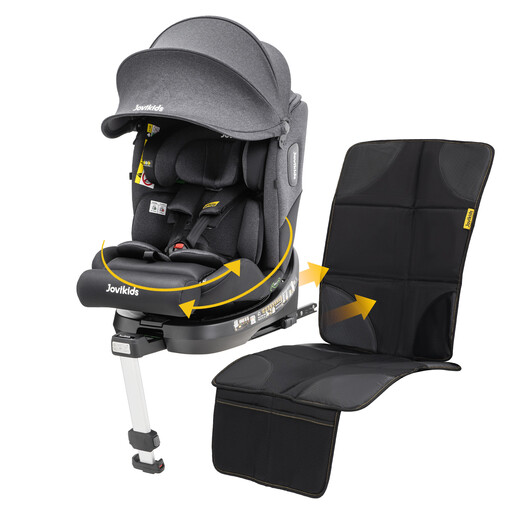
Why this model is a great fit: It covers the entire period of use, from birth until a car seat is no longer required, combining modern safety standards (i-Size) with practical convenience features (360° rotation, ISOFIX) at an accessible price point.
This all-in-one seat avoids the 'one-size-fits-all' trap with removable newborn inserts and a 12-position adjustable headrest, ensuring a precise fit for every growth stage.
A single investment to last for the entire time a car seat is needed, certified to the latest i-Size standard, UN R129.

Why this model is a great fit: It focuses on the age group from birth to approx. 4 years, featuring specialised safety technology like Linear Side-impact Protection and high-quality, breathable fabrics for superior comfort.
This model isn't a compromise; it's a specialised solution. It creates an optimised, ergonomic environment specifically for babies and toddlers, which is crucial in the first few years of life.
The 360° rotation mechanism makes daily use significantly easier. The Plus version also features mesh inserts for enhanced air circulation.
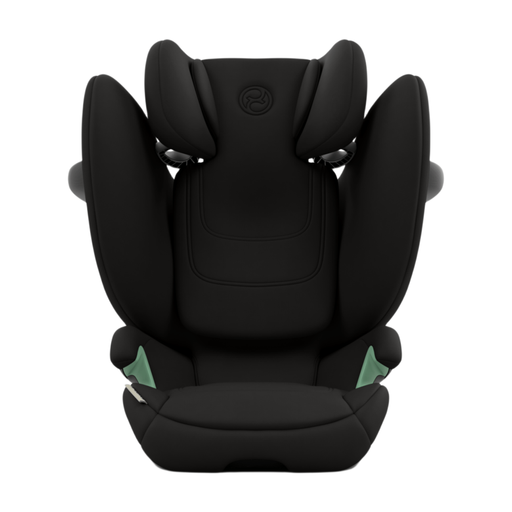
Why this model is a great fit: A lightweight high-back booster for children from approx. 3 to 12 years, it can be quickly moved between vehicles and ensures a stable installation for older children thanks to its ISOFIX connection.
This model solves the problem of ill-fitting 'all-in-one' seats for older children by providing age-appropriate ergonomics and a belt guide that ensures both comfort and correct seat belt positioning.
The reclining headrest and flexible side wings adapt to the growing child, offering thoughtful comfort on long journeys.
We have compiled a complete, up-to-date list of products that fully meet these strict selection criteria and rigorous safety regulations.
Under the current UN R129 (i-Size) standard, rear-facing travel is legally required until a child is 15 months old and 76 cm tall. However, safety experts and organisations recommend keeping children rear-facing for as long as possible, ideally up to the age of four. This position significantly reduces strain on the delicate neck muscles in the event of an impact.
Not necessarily. Although i-Size and ISOFIX are standards, the geometry of your car's seats (e.g., the slope of the backrest, the position of the seat belt anchors) can affect installation. A support leg also requires a solid floor and cannot be placed on an underfloor storage compartment. Therefore, always check the car seat manufacturer's compatibility list for your specific vehicle model. A test fit in your own car before making a final decision is highly recommended.
A simple booster seat (a backless booster cushion) is approved for children from 125 cm in height and 22 kg in weight. However, a high-back booster seat is the safer option as it provides side-impact protection and a proper guide for the shoulder belt. You should only switch when your child has outgrown their previous Group 2/3 seat (up to 36 kg or 150 cm), i.e., when their head extends above the top edge of the headrest.