
Lieferung heute & morgen

Qualitätsgarantie

Willkommens-Angebote freischalten: KOSTENLOSE Lieferung | Bis zu 80 % RABATT | Kostenlose 30-Tage-JoyPlus-Testphase
App herunterladen
Car toys range from simple model cars and LEGO Speed Champions sets to remote-controlled drift cars. Electric go-karts for children are another option. There’s plenty to choose from, but product images and marketing claims don’t always make it clear whether an item is right for the child’s age, where it will be used or how they want to play. Use the following criteria to make your search more focused.
A car toy for children aged 3 and over has different requirements from a LEGO Technic car for children aged 10 and over or a die-cast car for adult collectors. Small parts may not be suitable for younger children. LEGO Speed Champions sets and similar kits also require patience, fine motor skills and the ability to follow building instructions.
So check the age recommendation, warnings about small parts, and whether the child is expected to play independently or with support.
A remote-controlled drift car with 4WD, interchangeable tyres and LED lights can perform some interesting manoeuvres on smooth surfaces. On carpet, uneven tarmac or wet ground, however, its handling can change considerably. The stated range or play time also depends on the charge level, surface and how the car is used.
Check that the intended play area is suitable for the manufacturer’s specifications. For indoor use, compact models with proportional controls are usually more practical than very fast vehicles.
A 1:64 scale model car takes up little space and is suitable for a collection. A 1:24 RC car, on the other hand, needs more storage space and a sufficiently large area to drive it. With a die-cast car, it should also be clear whether it’s intended as a toy or a collector’s model. Metal bodies may look sturdy, but depending on the model they can still have small or delicate attachments.
A rolling model car with a few features may be suitable for children aged 3 and over. According to the product information, the Siku 1508 Bugatti Chiron model is intended for children aged 3 and over, needs no batteries and has opening doors. The warning about small parts still applies.
The LEGO Speed Champions models mentioned are aimed at users aged 9 and over. LEGO Technic models, such as the Koenigsegg Jesko Absolut, are specified for ages 10 and over and contain 801 pieces. The larger build takes more time, but also offers mechanical features such as steering, a V8 engine and opening doors.
When comparing RC cars for children, consider the following:
A remote-controlled drift car isn’t automatically suitable for every age. For children under 8, pay particular attention to how easy it is to use, its speed and the need for supervision.
It’s worth checking the product dimensions before you buy. Once built, LEGO models can be around 14 to 28 cm long. An electric go-kart for children, on the other hand, needs a clear, flat outdoor area and a safe distance from roads, steps, water and other obstacles.
For a 12-volt electric go-kart, parents should check the stated age range, adjustable speed, charge level and safety features. According to the product description, this model is intended for children aged 8 to 12. Its actual suitability also depends on the child’s height and weight, the driving environment and adult supervision.
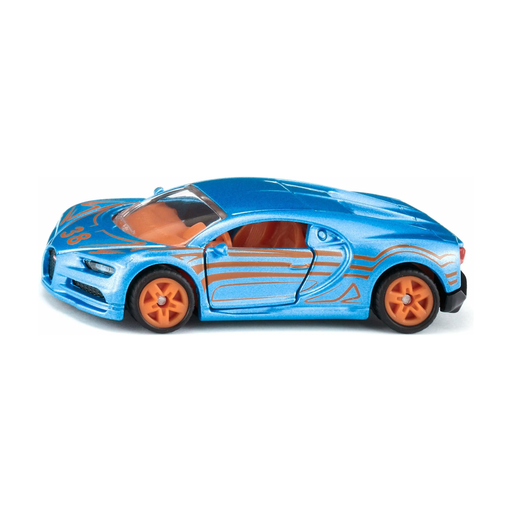
Why this product suits this profile: This compact model car is ready to play with straight away, needs no batteries and is suitable for children aged 3 and over, as well as for small collections.
There’s no need to charge it and no complicated remote control to master. You should still follow the age recommendation and warning about small parts.
Metal body, rubber tyres, opening doors and friction drive.
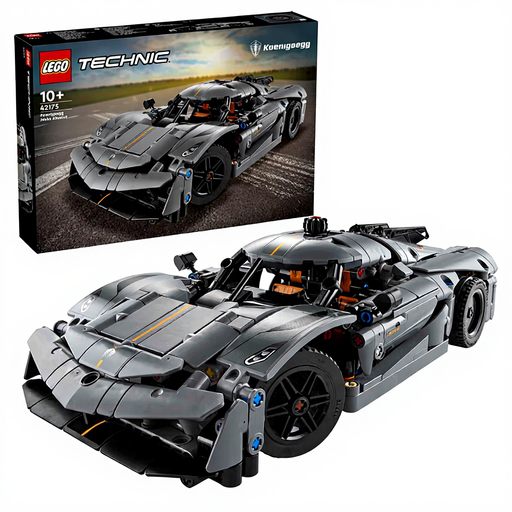
Why this product suits this profile: This model combines vehicle design with technical features and is aimed at children aged 10 and over, as well as adult LEGO and car enthusiasts.
The stated piece count, model size and age recommendation help you assess the time and space needed before buying.
801 pieces, V8 engine, differential, steering and opening scissor doors.
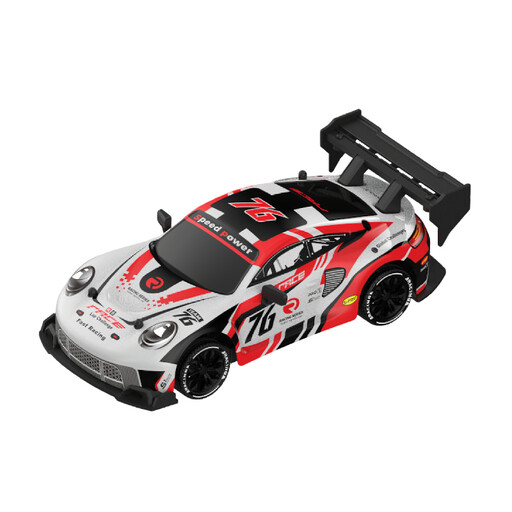
Why this product suits this profile: This 4WD remote-controlled drift car is specified for users aged 8 and over and offers different driving modes for flat indoor and outdoor surfaces.
Two sets of tyres let you switch between drifting and racing. The surface you plan to use it on remains an important consideration.
4WD, LED lights, USB charging and a stated play time of around 20 to 40 minutes.
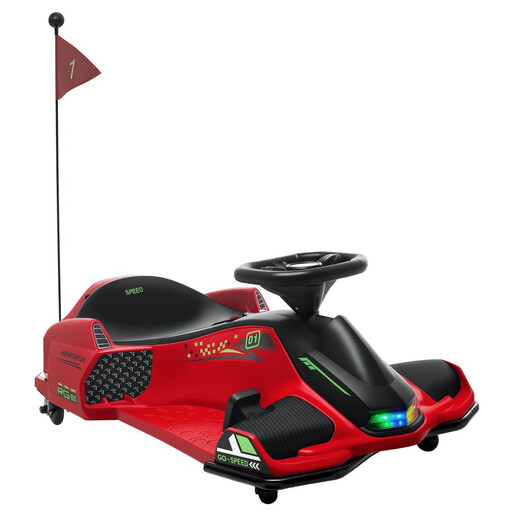
Why this product suits this profile: According to the product information, this motorised go-kart is aimed at children aged 8 to 12 and is designed for supervised outdoor use.
Adjustable speed makes it easier to adapt the kart to the rider’s experience. Choose a safe, flat area to drive in before use.
12-volt drive, drift mode and adjustable speed.
We’ve put together a complete, regularly updated list of products that meet these strict selection criteria and the safety regulations in force in the EU.
A LEGO sports car is ideal for building, playing and displaying. Examples include the Bugatti Vision GT, Ferrari SF90 XX Stradale, Bugatti Centodieci, Porsche 911 GT3 RS and Dodge Challenger SRT Hellcat. Depending on the model, the sets contain between 284 and 390 pieces and are mainly aimed at users aged 9 and over.
An RC car is a better choice if active driving manoeuvres are the main attraction. A die-cast car or a Bugatti, Ferrari or Porsche model car is more suited to a display cabinet, desk or compact collection. For private car owners, the relevant products aren’t toys but suitable car equipment: a hydraulic trolley jack must be right for the vehicle’s weight and lifting height. Axle stands don’t replace a jack when lifting a vehicle; they support one that has already been raised. Check information such as EN 1494 and CE or GS markings against the product details.
Models without complex electronics and with a clear age recommendation may be suitable. Look for warnings about small parts, sturdy components and use under supervision. According to the product information, a Siku model car is intended for children aged 3 and over.
The RC models mentioned have a stated run time of around 20 to 40 minutes per charge. Actual run time depends on speed, how much drifting you do, the surface, the age of the battery and its charge level. A spare battery may be useful for longer play sessions, provided it’s designed for the model.
Aside from the purchase price, the main costs are electricity for charging and, where necessary, replacement wear parts. Actual running costs depend on how often it’s charged, battery capacity, driving time and any replacement parts needed later. Before each use, check the battery, tyres, brakes or drive components, and the driving area.