
Lieferung heute & morgen

Qualitätsgarantie

Willkommens-Angebote freischalten: KOSTENLOSE Lieferung | Bis zu 80 % RABATT | Kostenlose 30-Tage-JoyPlus-Testphase
App herunterladen
Caramel-flavoured protein bars are a popular choice for athletes and health-conscious individuals looking for a convenient source of nutrition. The challenge is finding a product that delivers on both taste and functional nutrition without containing excessive sugar. This article serves as a guide, presenting a selection of protein bars suited for various purposes based on their ingredients, nutritional profiles, and specific properties.
To find the right caramel fitness bar, you should consider a few objective criteria. These will help you compare products and make an informed decision.
A key factor is the protein-to-sugar ratio. A bar with high protein content supports muscle growth and recovery. At the same time, the sugar content should be low to avoid unnecessary calories and blood sugar spikes. Look for terms like low-sugar protein bar or protein bar with no added sugar. As a guideline, aim for a protein content of over 15 grams per bar and a sugar content of under 5 grams. Products marketed as a low-sugar protein bar often meet this requirement.
The source of the protein is crucial for digestibility and intended use. Milk protein (casein and whey) is a common and complete protein source. For those who prefer a plant-based diet, a vegan protein bar based on soy, pea, or wheat protein is a suitable alternative. A look at the ingredients list also reveals information about allergens like nuts, soy, or gluten, as well as the use of sweeteners such as maltitol or sucralose.
For regular use, such as after a workout or as a planned office snack, a box of 12 protein bars can be a practical and often more cost-effective solution. Individually wrapped bars are ideal for on-the-go, providing quick nutrition whenever you need it.
Here you will find a detailed overview of selected products that stand out for their specific features.
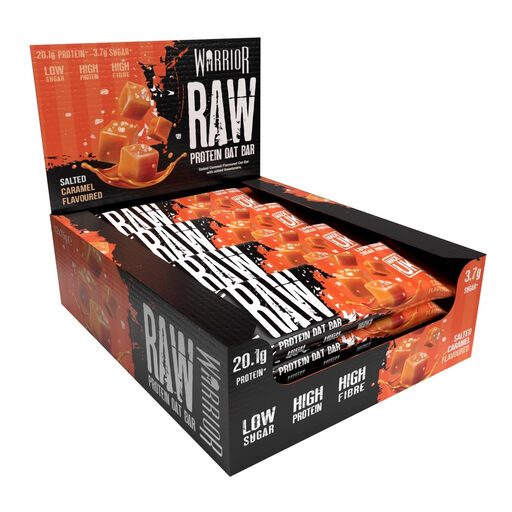
Why It Stands Out This bar combines the texture of a traditional oat-based flapjack with a high protein content. The salted caramel protein bar flavour is complemented by a crispy texture, which sets it apart from many softer bars.
Pros
Who Is It For? This bar is a great choice for those looking for a filling, high-fibre snack with a high protein content. Its gluten-free recipe and flapjack texture appeal to users who prefer an alternative to classic protein bars.
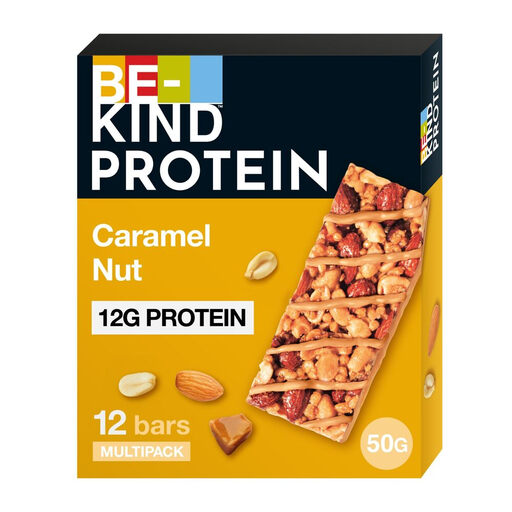
Why It Stands Out The BE-KIND protein bar uses whole nuts as its main ingredient. The combination of peanuts, caramel, and a coating provides a nutty flavour and a crunchy texture.
Pros
Who Is It For? Ideal for individuals who want a snack with recognisable ingredients and a balanced nutritional profile. It is less focused on maximum protein delivery and serves more as a nutritious everyday snack.
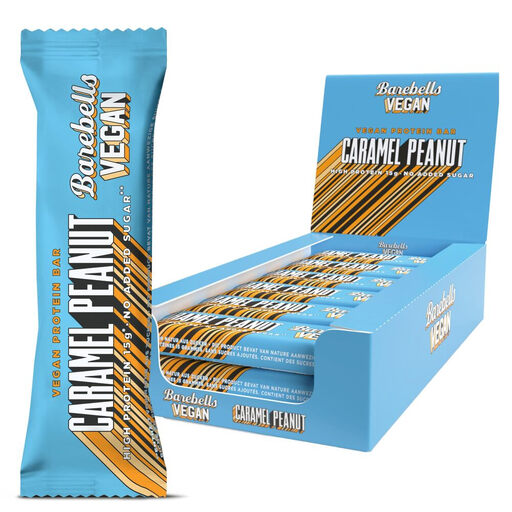
Why It Stands Out As a vegan protein bar, this product offers a purely plant-based protein source with no added sugar and no palm oil. It combines peanut and caramel flavours with a chocolate coating.
Pros
Who Is It For? This bar is aimed at vegans and anyone who prefers a plant-based protein option. It is also a great choice for consumers who want to avoid added sugar and palm oil.
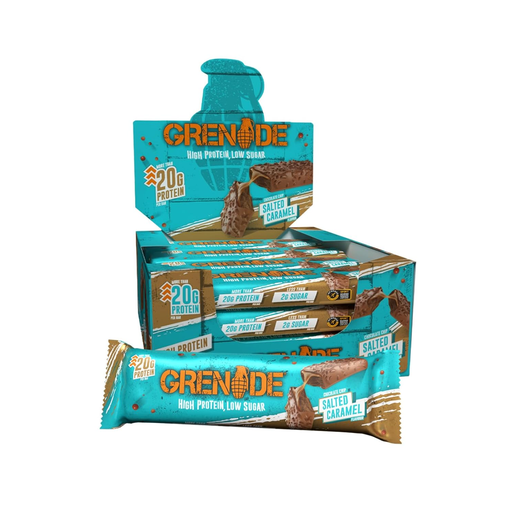
Why It Stands Out The Grenade Carb Killa is known for its very high protein content and multi-layered structure, reminiscent of a conventional chocolate bar. It combines a caramel layer, a soft core, and a milk chocolate coating.
Pros
Who Is It For? This bar is perfect for fitness enthusiasts and athletes whose priority is maximum protein intake with minimal sugar. Anyone looking for a protein bar that tastes very similar to a classic confectionery product will find a suitable option here.
If you are looking for alternatives or additions to your diet, our selection of Caramel Drinks might also be of interest. There you will find more products that can support your fitness and nutritional goals.
The optimal time depends on your individual goals. After a workout, a bar can support muscle recovery. As a snack between meals, it helps curb hunger and distribute protein intake throughout the day. Some also use it as an energy source before exercise, though individual tolerance should be considered.
A low-sugar protein bar can be a useful part of a calorie-controlled diet. Protein and fibre can increase satiety, helping to control overall calorie intake. However, a protein bar is not a substitute for a balanced diet and should be viewed as a functional supplement.
A high-quality bar is characterised by a good protein-to-sugar ratio (e.g., over 15g of protein, under 5g of sugar). The ingredient list should be transparent, and the protein source should match your dietary needs (e.g., whey, casein, or plant-based sources). Also, pay attention to the fibre content and avoid products with unnecessarily long ingredient lists or hidden sugars.