If your pan is suitable for induction and its base matches the cooking zone, a portable induction hob is a good extra cooking option. For pans that aren’t suitable for induction, consider a radiant ceramic hob or a cast-iron hot plate; both need extra care because they retain heat. You only need a second cooking zone if you genuinely want to heat something else at the same time as making the sauce. And no power setting can replace keeping an eye on the caramel and taking the pan off the heat at the right moment.
Which hob is right for you?
Making caramel with a suitable induction pan
If you’re looking for an extra cooking zone, first check that the base of your pan is ferromagnetic and compatible with the appliance’s cooking zone. Rommelsbacher specifies a 120–230 mm cooking zone for the CT 2010/IN; Dr. Oetker’s recipe steps include caramelising the sugar, taking the pan off the heat and then simmering the sauce.
Making caramel with a pan that isn’t suitable for induction
If you’d like to keep using your sauce pan, consider a radiant ceramic hob or a cast-iron hot plate. Rommelsbacher notes that cast iron retains heat for longer; the CT 2200/E also has a residual heat indicator.
Hosting and cooking two things at once
If you want to heat another pan while making the sauce, check the space required, the electrical connection and whether both pans are suitable for induction. Severin specifies that the DK 1033 has two induction zones and is 60 cm wide.
What should you look for when buying?
First, check the base of your pan and choose a compatible heating technology. Then consider how easy the controls are to use while cooking, and make sure you have enough space to move the pan safely off the hob.
| What matters |
What to check before buying |
Who should consider this? |
| Adjusting the heat |
Type of power control and how easy the controls are to reach; leave a clear space to move the pan off the hob. |
If you want to adjust the heat while caramelising and take the pan off the hob at just the right moment, pay particular attention to the controls. Around 36% of consumers put this first. |
| Using an existing pan |
Check the base material and diameter against the specifications for the specific appliance. |
If you want to keep your sauce pan, the heating technology needs to suit its base. Around 29% of consumers consider pan compatibility their top priority. |
| Cooking more than one thing at a time |
Check how many pans you need to heat at once and whether they are suitable for induction; check the appliance’s width and connection requirements. |
If you want to heat another dish at the same time as making caramel sauce, you may need a second zone. Around 21% of consumers prioritise cooking in parallel. |
| Positioning and handling |
Check the appliance’s dimensions, cable routing and the instructions for positioning it; take the residual heat indicator and hot surfaces into account. |
If you want to position the pan safely in a guest kitchen and handle it safely after heating, space and residual heat are particularly important. Around 14% of consumers make these their priority. |
Avoiding common buying pitfalls
-
Assuming ceramic always means induction
Ceramic describes the surface, not necessarily the heating technology. An induction hob requires suitable cookware, so a pan that isn’t compatible may not work with the appliance.
Check the product description for the heating technology. For induction, also check the required base material and compatible diameter.
An unsuitable pan could make the appliance unusable for the purpose you had in mind.
-
Assuming the wattage or temperature settings guarantee perfect caramel
Power levels and temperature settings don’t prove that the sugar in the pan will reach a particular temperature. Dr. Oetker’s recipe says to keep an eye on the sugar and take the pan off the heat before moving on to the next step.
Choose controls you’re comfortable using, and leave a clear space for the hot pan.
-
Buying a double hob just because you’re hosting dinner
A second zone is only useful if you really do need to heat two pans at once. Severin specifies that the DK 1033 is 60 cm wide and that both cooking zones use induction.
Before choosing, count how many pans you’ll need on the extra hob at the same time, and check that they’re suitable for induction.
-
Underestimating residual heat after turning the heat down
Radiant hobs and cast iron can stay hot after being switched off or turned down. Rommelsbacher specifies a residual heat indicator for the CT 2200/E and notes that cast iron retains heat for longer.
Take the pan off the hob at the right point in the recipe, and continue to treat the surface as hot.
Key brands at a glance
Rommelsbacher
The portable single hobs mentioned here cover induction, radiant ceramic and cast iron.
- The CT 2010/IN specifies a ferromagnetic pan base and a 120–230 mm cooking zone; the CT 2200/E lets you choose between two heating circuits measuring 140/210 mm.
- The AK 1599/E has a cast-iron hot plate; the manufacturer’s specifications aren’t independent comparative test results.
CASO Design
The Touch 2000 is a portable single induction hob for suitable pans within the size range specified by the manufacturer.
- CASO specifies ten power levels and ten temperature settings, and says it’s suitable for pans measuring 12–24 cm in diameter.
- The specified settings don’t prove that the caramel sauce in the pan will reach a particular temperature.
Severin
The DK 1033 is a portable double induction hob with two cooking zones for when you need to cook two things at once.
- Severin specifies two zones, a width of 60 cm and a total power output of 3400 W.
- If you only need to heat one sauce pan, the second zone offers no particular advantage; both pans must be suitable for induction.
Steba
The IK 35 adds another option: a portable single induction hob with slider and touch controls.
- Steba specifies nine power levels from 200 to 2000 W, a timer of up to 180 minutes and a footprint of 29 × 37 cm.
- The advertised precision doesn’t guarantee a particular caramel result; you’ll need to check separately that your specific pan is suitable.
Joybuy products for making caramel sauce
The Joybuy products below include portable single induction hobs and an infrared hob as an extra cooking option for making sauce.
 No image available
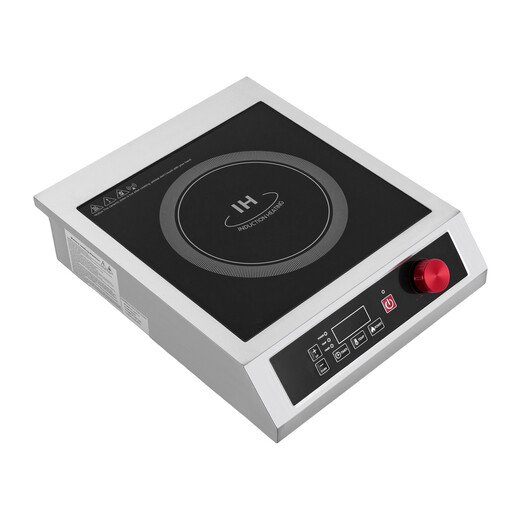
Countertop induction hob, 3500 W, 10 power and temperature settings
A good choice as an extra cooking zone if your pan is suitable for induction and meets the size requirements.
The product title specifies 3500 W, ten power levels and ten temperature settings, as well as an EU plug. The description specifies a flat pan base and a maximum diameter of 9.84 inches.
View at Joybuy
 No image available
Portable single induction hob, 1000 W, five power levels
A single portable cooking zone for your sauce pan, provided it’s suitable for induction.
The product title specifies 1000 W and five power levels.
View at Joybuy
 No image available
DTL06 infrared hob, 3500 W
A possible extra cooking option if you’re using heat-resistant cookware that isn’t suitable for induction.
The description specifies infrared heating, four preset modes, a dial for adjusting the power and a timer. It also says the hob can be used with heat-resistant cookware.
View at Joybuy
 No image available
IsEasy single induction hob, 2100 W, nine heat settings
For an extra single cooking zone, provided your magnetic cookware is within the specified size range.
The product title specifies 2100 W and a glass surface; the description specifies magnetic cookware measuring 12–26 cm in diameter and nine heat settings. The title also specifies an 8-hour timer.
View at Joybuy
Frequently asked questions
Will a timer or preset temperature settings stop caramel from getting too dark?
No, they can’t guarantee a particular result. Dr. Oetker’s recipe says to keep an eye on the sugar and take the pan off the heat before adding the cream. Appliance specifications tell you about settings and timers, but don’t measure the caramel in the pan.
How should I position the hob, and what should I do after cooking?
Follow the instructions for positioning, operation and cleaning for the specific model. Be careful of the hot cooking surface when taking the pan off; Rommelsbacher specifies a residual heat indicator for both the CT 2010/IN and the CT 2200/E.
Is a manufacturer’s guarantee the same as your statutory consumer rights?
No. Your statutory rights apply if goods are faulty; a guarantee is an extra voluntary promise with its own terms and conditions. The Verbraucherzentrale says that new goods bought from a retailer are generally covered by a two-year statutory guarantee.
What does the CE marking mean when buying a hob in Germany?
For electrical appliances covered by the relevant harmonised EU rules, CE is a mandatory conformity marking. It’s the manufacturer’s declaration that the applicable requirements have been met, but it isn’t a quality mark awarded by a central EU body or proof that the hob has been tested for making caramel.


