
Lieferung heute & morgen

Qualitätsgarantie

Willkommens-Angebote freischalten: KOSTENLOSE Lieferung | Bis zu 80 % RABATT | Kostenlose 30-Tage-JoyPlus-Testphase
App herunterladen
The demand for functional, high-strength, and lightweight parts from 3D printers is constantly growing. In particular, carbon fibre reinforced filaments (CF) like PLA-CF or PA-CF open up possibilities for robust prototypes and end-use parts. However, the path to a successful print is fraught with pitfalls. Many users invest in a machine only to find that it isn't up to the demands of these challenging materials.
Before you buy a 3D printer, it's crucial to distinguish between typical marketing promises and the technical features that are actually necessary. This guide will show you the most common pitfalls and the critical parameters you need to look out for.
Processing abrasive and temperature-sensitive composite materials places special demands on the hardware. Those who rely on generic advertising claims often face costly disappointments.
To avoid the problems mentioned above and achieve reliable results, you should check three core technical areas before buying. These define whether a device is truly a 3D printer for carbon fibre.
The heart of the material transport system must be robust. Look for the following features:
The environment where the part is created is just as important as the extrusion itself.
A fast 3D printer is only useful if precision doesn't suffer at high speeds.
Based on the criteria above, we have identified models suitable for specific use cases in carbon fibre 3D printing.
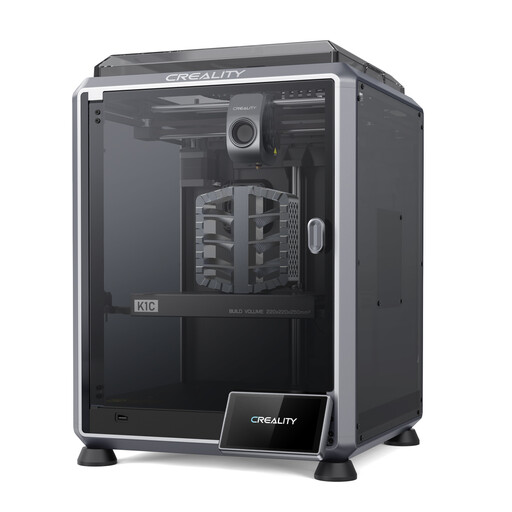
Why This Fits Their Persona: Ideal for engineers and makers who need to quickly produce functional prototypes from carbon fibre materials. The device is designed for high speed and reliability, offering a hassle-free entry into printing with engineering filaments.
It features a clog-free direct drive extruder system with a tri-metal nozzle designed for abrasive materials. The enclosed build chamber ensures process stability.
The combination of a CoreXY system with 600 mm/s speed, fully automatic calibration, and an integrated AI camera for monitoring minimises manual effort.
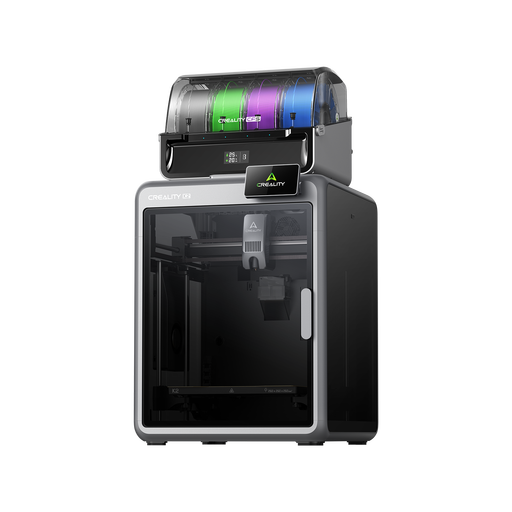
Why This Fits Their Persona: Suitable for small businesses or developers who need to produce complex, multi-colour parts with the mechanical properties of carbon fibre composites.
The system is designed from the ground up for multi-colour and multi-material printing, including PLA-CF. The enclosed design and automatic levelling ensure reliability during long, complex print jobs.
The ability to print up to 16 colours with the CFS system, combined with the capability to process carbon fibre filaments, opens up a wide range of functional and aesthetic applications.
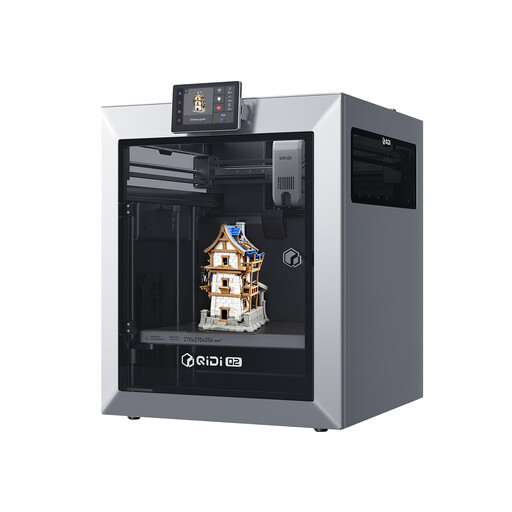
Why This Fits Their Persona: Perfect for users who require maximum material flexibility and regularly work with demanding high-temperature polymers in addition to carbon fibre composites.
This model goes beyond a simple enclosed build chamber and offers an actively heated chamber up to 65°C. This ensures superior process control and minimises warping even with the most difficult materials.
The 370°C all-metal hotend opens up the processing of an extremely wide range of engineering filaments, far beyond the usual CF materials, making the device a versatile production machine.
We have compiled a complete, real-time updated list of products that fully meet these strict selection criteria and relevant safety regulations.
No. As described above, printing carbon fibre reinforced filaments requires special hardware. The minimum requirements are an abrasion-resistant nozzle (e.g., hardened steel), an all-metal hotend for high temperatures, and ideally, an enclosed build chamber to control the ambient temperature and prevent warping. Attempting to process CF filaments on an unsuitable printer will almost always lead to hardware damage and failed prints.
Good ventilation is important when printing CF filaments. While the carbon fibres themselves are harmless, the base material (e.g., ABS, ASA, or Nylon) can release fumes and particles when melted. A printer with an integrated air filtration system, such as an activated carbon filter, is beneficial here. It is recommended to operate the printer in a well-ventilated area or use an external extraction system.
Modern CoreXY printers can achieve print speeds of up to 600 mm/s and accelerations of 20,000 mm/s?. In comparison, older generations of printers often operate at speeds of 50–80 mm/s. A fast 3D printer can therefore reduce the printing time for a part by a significant factor. However, it's important that this speed is only combined with smart firmware like Klipper and features like Input Shaping to produce high-quality results. Without these compensation technologies, high speeds would lead to severe artifacts (ringing/ghosting) in the print.