
Lieferung heute & morgen

Qualitätsgarantie

Willkommens-Angebote freischalten: KOSTENLOSE Lieferung | Bis zu 80 % RABATT | Kostenlose 30-Tage-JoyPlus-Testphase
App herunterladen
Carbon fibre products combine low weight with high rigidity, depending on their construction. This makes them appealing for 3D printing, photography, gaming, e-bikes and outdoor gear. However, "carbon fibre" alone doesn't describe a specific product quality. What really matters is the material content, build method, load limits and suitability for your particular use.
This buying guide will help you interpret technical specifications correctly and avoid common purchasing mistakes.
With desks, mice and accessories, "carbon fibre" may only refer to the surface finish or pattern. A black weave on a desktop doesn't automatically mean the surface is made from carbon fibre. So check whether the manufacturer distinguishes between carbon fibre construction, carbon fibre composite material and carbon fibre effect.
For example, the SEVEN WARRIOR gaming desk specifies a black carbon fibre surface. According to the product description, the construction consists of a metal frame and a thick chipboard panel. This distinction matters for your buying decision: the design can imitate carbon fibre, while stability depends primarily on the frame, panel and joints.
A low weight is only practical if the product can also withstand the required load. With a tripod, therefore, it's not just the packed size and self-weight that count, but also the maximum load capacity, leg locks and tripod head.
The SIRUI SQ75+VHS10 carbon fibre video tripod specifies a maximum load of 10 kg. Before setting it up, all leg locks must be fully tightened. For your camera, lens, monitor and accessories, the total weight of your actual equipment should remain below this limit.
High polling rates on a gaming mouse or a large range figure on an e-bike aren't decisive in every situation. A mouse with 8,000 Hz requires suitable driver and system conditions; an e-bike will only achieve its stated range depending on rider weight, assistance level, temperature, route and tyre pressure.
Always evaluate the complete product package instead. This includes ergonomics, connections, spare parts, maintenance, safety features and the availability of a clear instruction manual.
With carbon fibre 3D printer filament, the material combination is crucial. PETG carbon fibre filament combines PETG with added carbon fibres. This can alter the processing characteristics compared to standard PETG, but it doesn't replace checking the nozzle temperature, print bed, filament diameter and drying instructions.
For carbon fibre composite parts, look out for the following details:
Don't compare products based on a single weight figure alone. With a carbon fibre tripod, maximum working height, transport size, load capacity and head mechanism are all important. A carbon fibre trekking pole should suit your height, grip type and adjustment range. With an e-bike, you also need to consider frame size, maximum total weight, battery capacity and braking system.
For electrical products, also check for CE marking, German or multilingual safety instructions and the intended use. An e-bike with assistance up to 25 km/h is classified differently in everyday use than a faster electric micro-vehicle or a model that isn't road-legal.
Carbon fibre isn't automatically maintenance-free. Threads, clamp fasteners, hinges, bearings, batteries and electronics still need checking. With filament, you may need a suitable nozzle and dry storage. With a gaming mouse, wireless mode, polling rate and lighting all affect battery life.
Before you buy, check:
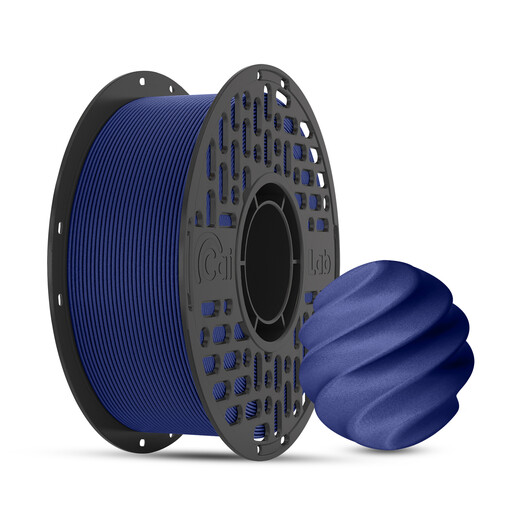
Why this product suits the profile: This PETG carbon fibre filament is an option for users who want to try carbon fibre reinforced printing materials. The blue variant makes it easy to distinguish from standard PETG.
The name clearly states PETG and carbon fibre. Nevertheless, you should check the printing temperature, nozzle requirements and filament diameter before use.
PETG base with added carbon fibre; several colour variants are available in the product range.
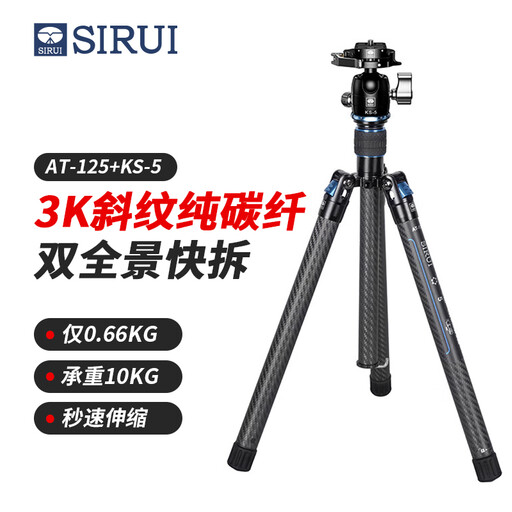
Why this product suits the profile: This set is aimed at photographers and videographers looking for a portable tripod for DSLR and digital cameras. Its design and carbon fibre construction are intended for mobile use.
The intended camera use is clearly stated. However, before ordering you should still check the load capacity, working height and packed size against your own equipment.
Carbon fibre construction; sold as a travel tripod set for mobile photography.
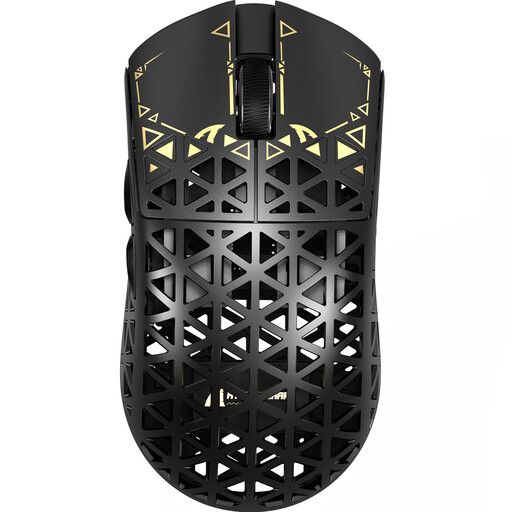
Why this product suits the profile: This mouse is aimed at gamers who want to switch between USB, 2.4G and Bluetooth, and who value a low stated weight along with extensive sensor settings.
The product data lists connections, polling rates and dimensions. This allows buyers to check whether the mouse suits their hand size, operating system and preferred wireless mode.
Stated weight of approximately 42 g; USB, 2.4G and Bluetooth connectivity plus an adjustable polling rate range.
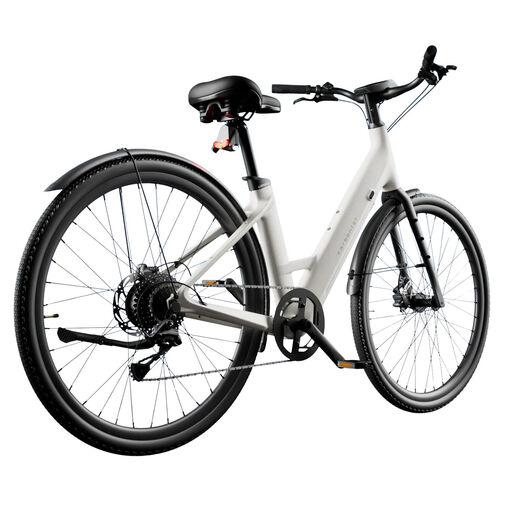
Why this product suits the profile: According to the product details, this carbon fibre e-bike combines a low-step frame with a 250-watt rear motor, torque sensor, removable battery and connectivity features for city riding.
The product description states the frame size, rider height range of 155 to 185 cm, 110 kg load capacity, battery capacity and 25 km/h top speed. These figures make compatibility checks easier.
Stated weight of approximately 16.3 kg; hydraulic disc brakes, Shimano 10-speed gears and a removable 352.8 Wh battery.
We've put together a complete, regularly updated list of products that fully meet these strict selection criteria and the safety regulations in force in the EU.
Not necessarily. The total weight depends on the construction, fittings, electronics and features. A carbon fibre frame can reduce weight, but additional components can make the product heavier again. So always compare the stated total weight, not just the frame material.
Check compatibility with your printer, the recommended temperature range, nozzle diameter and the material's abrasion resistance. Carbon fibre filament may require a hardened nozzle. The spool should also be stored in a dry place according to the manufacturer's instructions.
It's impossible to give a general lifespan. What matters is the load, UV exposure, moisture, impacts, temperature changes and maintenance. On bikes and tripods, regularly check clamp points, cracks and unusual movement. Damaged load-bearing components should not be used again until they have been professionally inspected.