
Lieferung heute & morgen

Qualitätsgarantie

Willkommens-Angebote freischalten: KOSTENLOSE Lieferung | Bis zu 80 % RABATT | Kostenlose 30-Tage-JoyPlus-Testphase
App herunterladen
Card games for children and families are compact, usually quick to learn and ideal for family evenings, children’s parties or trips. There’s everything from simple reaction games to strategy games for children. But not every game suits every age group or family situation.
Many disappointing purchases come down to three common pitfalls:
Small boxes don’t automatically mean a game is practical for everyday use. What matters is the gameplay, number of cards, storage, language and whether the game suits the occasion.
For games for children aged 4+, simple gameplay, recognisable symbols and short rounds are usually a good choice. Reaction and matching games offer an easy introduction, without requiring children to read longer texts.
Card games for ages 6+ may include word games, memory challenges or cooperative rules. At this age, parents should check whether their child can count confidently, distinguish between words and follow several steps in a row.
Card games for ages 7+ and card games for ages 8+ often introduce bluffing, collecting or strategy mechanics. However, an age recommendation is only a guide. Younger siblings may find it helpful to play a simplified version or have an adult join in.
Before you buy, check:
Quick card games are handy for waiting times, trips and spontaneous games. For a relaxed family evening, cooperative card games or games with more time for decision-making may be a better fit.
The gameplay should suit the kind of experience you’re looking for:
Also look for German-language instructions, sturdy cards and a box with room for all the components after play. Follow the manufacturer’s safety advice when small parts are involved. Many games contain small parts that could be swallowed and are therefore unsuitable for children under 3.
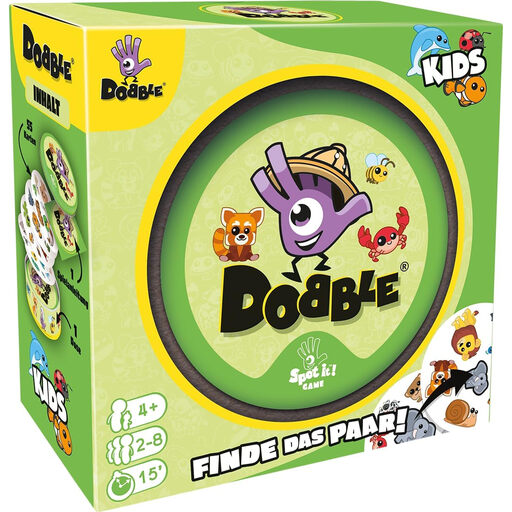
Why this product suits this profile: Dobble Kids is designed for 2 to 8 players aged 4+ and offers five ways to play. With a stated playing time of around 15 minutes, it’s easy to get started with a quick family game.
The clear age recommendation, short playing time and variety of ways to play reduce the risk of the game being too challenging or too long for a family group with mixed ages.
2–8 players, five ways to play, German-language edition and a playing time of around 15 minutes.
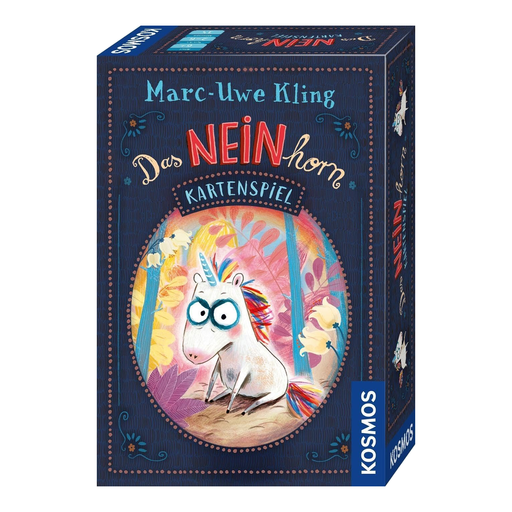
Why this product suits this profile: This game is for children aged 6+ and 2 to 6 players. Word challenges and card actions, along with a cooperative version, bring familiar characters together with different ways to play.
The stated playing time of around 15 minutes helps keep each round from dragging on. The cooperative version is also a good option for families who would rather avoid direct competition.
2–6 players, cooperative version, word challenges and a magnetic Open-&-Play box.
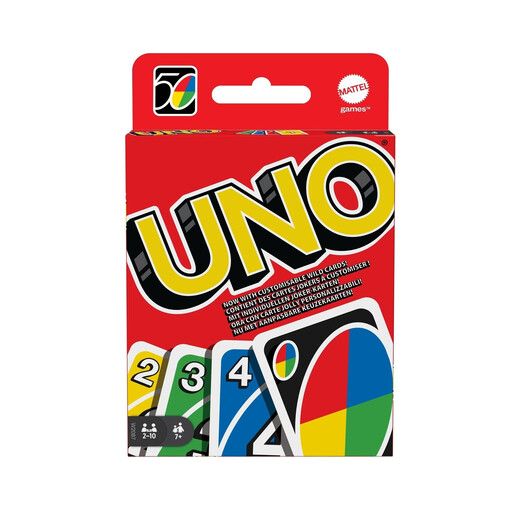
Why this product suits this profile: UNO is designed for 2 to 10 players aged 7+. Colours, numbers and action cards make for a simple, easy-to-follow concept for families, parties and larger groups.
The high player count makes this a versatile game. Before buying, though, check that the edition you choose has the language you need and includes the card variations you want.
2–10 players, 112 cards, matching colours and numbers, and action cards such as Skip and Reverse.
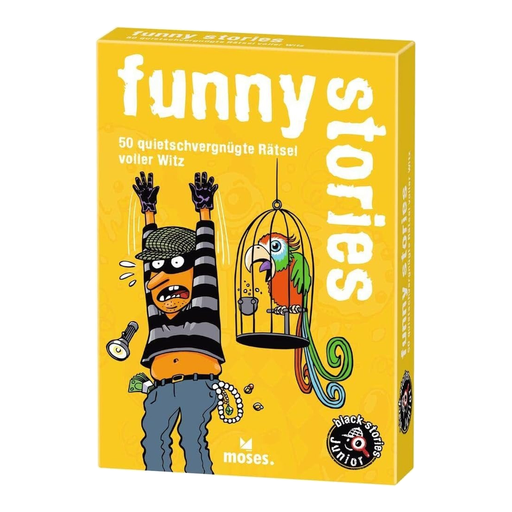
Why this product suits this profile: This puzzle card game for ages 8+ contains 50 mysteries and is suitable for two or more players. The compact box, measuring 9.4 × 13.3 × 2.4 cm, fits easily into luggage or a rucksack.
The age recommendation and clearly explained yes-or-no question format make it easier to judge what’s involved before you buy. If your child is sensitive, check the puzzle content in advance.
50 mysteries, cooperative or competitive play, and compact dimensions for taking on the go.
We’ve put together a complete, regularly updated list of products that meet these strict selection criteria and fully comply with the safety regulations in force in the EU.
Games with pictures, colours and simple matching are usually a good choice for children aged 4+. Dobble Kids and similar reaction games require little reading. Check the recommended number of players, and keep small parts out of reach of younger children.
Compact travel games with short rounds and few components are handy for trips. Puzzle games, simple matching games and card games in small boxes are easier to carry than larger board games. A firm surface can be useful for games with lots of cards.
How long a card game lasts depends on the card quality, how it’s stored and how often it’s played. Keep cards dry and out of direct sunlight, and store them in their original packaging if possible. Bending them, exposing them to moisture or storing them loose can lead to creases or damage. As card games don’t need batteries, they have no ongoing energy costs during normal use.