
Lieferung heute & morgen

Qualitätsgarantie

Willkommens-Angebote freischalten: KOSTENLOSE Lieferung | Bis zu 80 % RABATT | Kostenlose 30-Tage-JoyPlus-Testphase
App herunterladen
By a Joybuy Product Recommendation OfficerLast updated: August 28, 2026
Finding the right card game for kids can quickly become more complicated than the game itself. The market is flooded with countless options, all promising fun and educational benefits. But not every game delivers on the promise of its colourful packaging. Often, small but crucial flaws cause a game to gather dust in a closet after a short time, instead of bringing joy to the family table.
Before you make a decision, it's helpful to know the common pitfalls that often lead to a bad purchase:
To avoid these problems, you should focus your attention on a few core features. These objective criteria will help you separate the wheat from the chaff and find a game that provides long-term enjoyment.
The age recommendation on the box is a starting point. However, it's more important to evaluate the type of game. Is it a pure game of chance, a reaction-based game, or does it require strategic thinking? For example, card games for ages 6 and up should have simple, clear rules that can be explained in a few minutes. For older children, the rules can be more layered, as long as getting started remains straightforward. Check if the game mechanics match your child's patience and concentration span.
The longevity of a card game depends directly on the quality of its materials. Pay attention to the following points:
These two factors determine when and how a game will be played. Quick card games lasting 10–15 minutes are excellent for in-between moments or for children with shorter attention spans. Longer family card games are ideal for dedicated game nights. The specified player count should be flexible, so the game works well for two players as well as for a larger group, such as at a child's birthday party as a fun party game for kids.
Instead of creating a one-size-fits-all list, we've selected a few games based on typical user profiles. This will help you find an option that is specifically tailored to your situation.
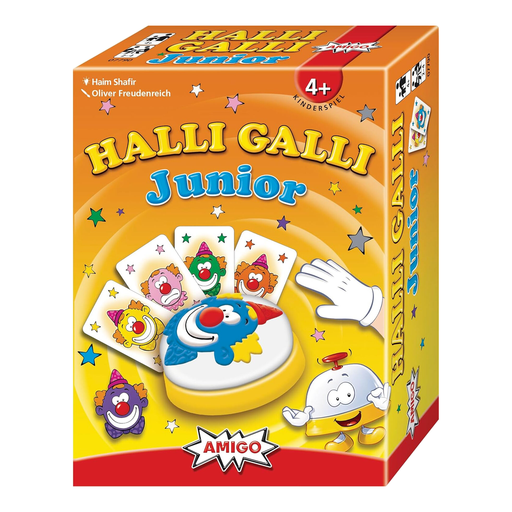
Why it's a great fit: Ideal for children aged 4 and up who are getting their first experience with rule-based games. The concept is instantly understandable and encourages focus on a simple task: find two smiling clowns of the same colour and ring the bell.
It avoids the trap of overly complex rules with an extremely simple, visual game mechanic. There are no long texts or complex moves, which prevents frustration in young players.
Playfully promotes perception, reaction speed, and colour recognition. The rounds are very short, which helps maintain attention.
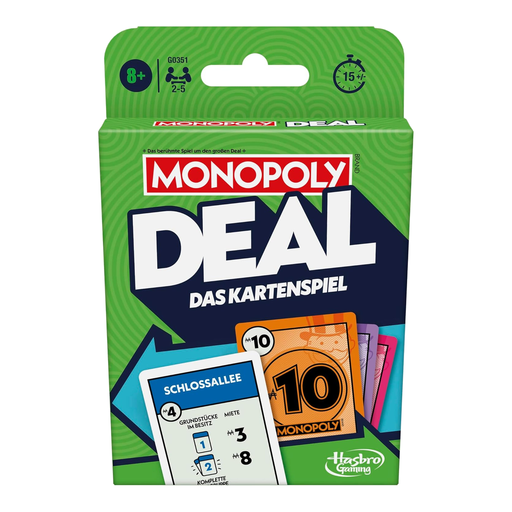
Why it's a great fit: For kids who are ready for the next step after simple card-shedding games. It combines the familiar Monopoly theme with strategic decisions and interaction, without the hours-long playtime of the board game.
It solves the problem of excessive game length that often leads to disinterest in more complex games. According to the manufacturer, a round takes only about 15 minutes, making it an ideal, fast-paced strategy game.
Promotes strategic thinking, numerical literacy, and forward planning. Its compact packaging also makes it a great travel game for kids.
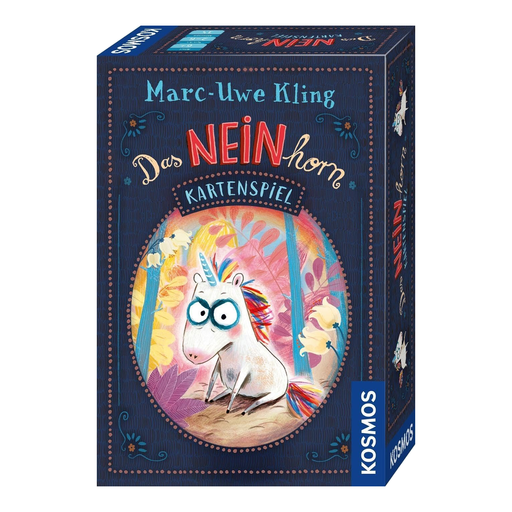
Why it's a great fit: For children who already know and love the characters from the popular books by Marc-Uwe Kling. The familiar context makes it easier to get into the game and motivates them to engage with the rules. A great gift idea for kids who are avid readers.
It sidesteps the mismatched age recommendation trap because the motivation provided by the familiar characters is especially high. Children are more willing to engage with the rules. The cooperative game variant further lowers the barrier to entry.
Based on a bestselling children's book, which increases recognition value and motivation to play. The practical magnetic box also makes it a good travel game.
We have compiled a complete, up-to-date list of products that fully meet these strict selection criteria and UK/EU safety regulations.
1. How can I tell if a card game is truly suitable for travel? A good travel game for kids is characterized by two features: compact and sturdy packaging (e.g., a magnetic or tin box) and game materials that don't require a large board or many small pieces. Games consisting only of a deck of cards are ideal for this.
2. How do I introduce my child to more complex card games? Start with cooperative game variants, if available. In these, everyone plays together against the game, which removes competitive pressure. Play the first round with open cards to discuss the rules and possible moves together. Increase the complexity slowly and choose games with a theme that personally interests the child.
3. Are card games a good gift idea for a child's birthday party? Yes, card games are an excellent gift idea for kids. They are screen-free, promote social interaction, and offer long-lasting play value. Be sure to choose a game that fits the party's player count or one that the birthday child can also enjoy playing with their family. Fun party games for kids with simple rules and a high fun factor are often a safe bet here.