
Lieferung heute & morgen

Qualitätsgarantie

Willkommens-Angebote freischalten: KOSTENLOSE Lieferung | Bis zu 80 % RABATT | Kostenlose 30-Tage-JoyPlus-Testphase
App herunterladen
Creating custom greeting cards and scrapbooks is a joyful and creative hobby. Cutting dies are a central tool in this process, allowing you to cut paper into precise and varied shapes. However, the market is vast, and the selection can quickly become overwhelming. All too often, inadequate product information or misleading images lead to a purchase that brings more frustration than joy.
Before you invest in new designs, it's helpful to know the most common pitfalls. This will ensure your next project is a success with the right accessories.
Common Problems When Buying Cutting Dies:
To avoid these problems, you should check a few technical parameters before buying. These will give you an objective basis for your decision and help you better assess the quality of a cutting die.
The durability and cutting quality of a die depend directly on the material used. Look for dies made from Carbon Steel. This material is robust, resistant to bending, and retains its sharp edges even after many passes through the die-cutting machine. Another quality feature is the presence of small holes in the die. These are not part of the design but allow you to easily remove the die-cut paper element and scraps with a pointed tool (e.g., a piercing tool) without damaging the delicate motif.
Always check the exact dimensions of the cutting die and compare them with the maximum pass-through width of your die-cutting machine. Models like the Sizzix Big Shot are widely used, but not every die is automatically compatible. The thickness of the die is also relevant for the correct "sandwich" setup of acrylic plates, paper, and die. Thinner dies may require an additional shim to create enough pressure for a clean cut. Reputable sellers provide the exact dimensions in centimetres or millimetres.
For beginners, the distinction is important: Cutting dies (also called wafer-thin dies) cut motifs out of paper. Embossing folders, on the other hand, press a three-dimensional pattern into the paper without cutting through it. Both techniques are ideal for DIY decor and card making but require different accessories and a different plate setup in the machine. Many crafters combine both methods for particularly dimensional effects.
Depending on the project and your experience level, there are different requirements for cutting dies. Here are some recommendations tailored to specific user profiles.
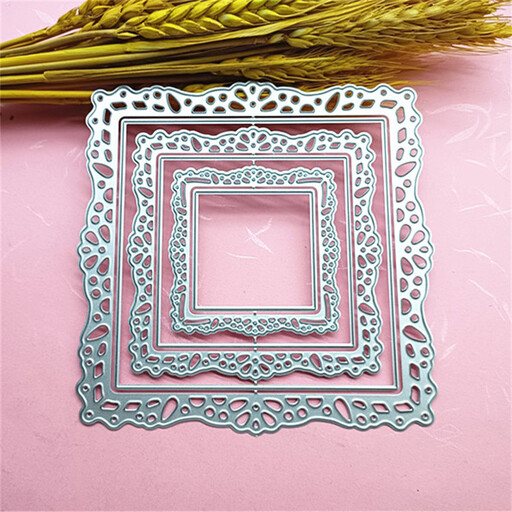
Why This Fits Their Persona: This set offers a selection of basic geometric shapes with decorative edges. It's ideal for beginners who want a versatile foundation for various projects like cards, tags, or album pages without committing to a specific theme right away.
The clean, simple shapes are less prone to messy cuts than highly complex designs and are great for getting a feel for your die-cutting machine.
Universally applicable basic shapes. Easy to combine with other designs and stamps.
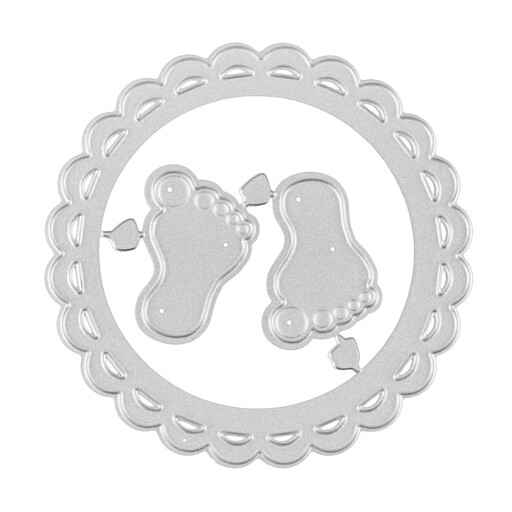
Why This Fits Their Persona: Perfect for crafters creating for a specific occasion like a new baby or a christening. The design is clear and emotionally appealing, ideal for greeting cards, gift tags, or decorating photo albums.
The clear focus on a single theme enables a targeted purchase. The relatively simple contour of the feet ensures a reliable cutting result without error-prone details.
Specific, recognizable design. Ideal for projects centered around the theme of babies and birth.
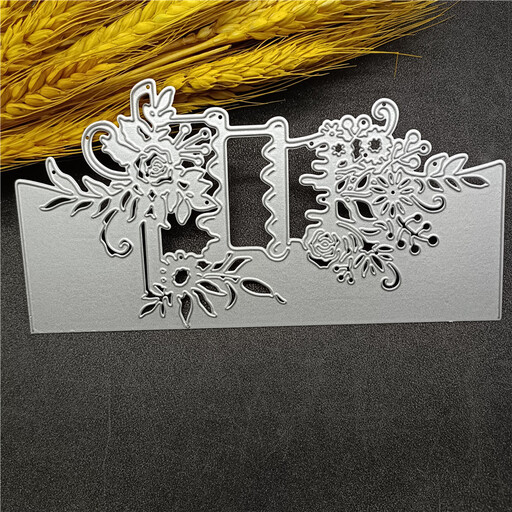
Why This Fits Their Persona: This die is for experienced crafters who want to create elaborate backgrounds and intricate lace effects for their cards or scrapbooking layouts. It enables the creation of elegant and detailed projects.
Although the design is complex, it is designed as a full-coverage background. The product description clarifies that it is a background die, which correctly manages expectations about its size and application.
Creates large-scale, intricate patterns. Ideal as a base for multi-layered card designs.
We've compiled a complete, up-to-date list of products that meet these strict selection criteria and quality standards.
1. Do all cutting dies fit in a Sizzix Big Shot? Most thin metal dies (so-called "wafer-thin dies") are compatible with the Big Shot and similar machines. The key is the correct "sandwich" setup, which is described in the machine's manual. For dies from other manufacturers, an adapter plate may be necessary to achieve the right thickness and pressure. Always check the maximum pass-through width of your machine (for the standard Big Shot, it's about 15 cm or 6 inches).
2. How do I properly clean and store my cutting dies? After use, small paper scraps may remain in the die. These can be best removed with a brush or a pointed tool (piercing tool) through the designated holes. For storage, magnetic sheets or special storage binders are suitable. This not only protects the dies from being lost but also prevents them from scratching or bending each other.
3. What is the difference between cutting dies and embossing folders? A cutting die is a sharp metal shape that cuts a design completely out of the paper. An embossing folder (usually a plastic folder with two sides), on the other hand, only shapes the paper, pressing a relief into it without cutting. Both tools are used in paper crafting to achieve different visual and tactile effects.