Shoppers comparing fat content
If you’re looking for nuts with a lower fat content for Carnival, compare the figures per 100 g. This makes it easier to see the difference between varieties, even when the packs are different sizes.


If you’re looking for nuts with a lower fat content for Carnival, compare the nutrition information per 100 g rather than relying on terms such as ‘reduced fat’. Among the products listed by EDEKA, plain GUT&GÜNSTIG cashews contain 47.1 g of fat per 100 g, GUT&GÜNSTIG almonds contain 53 g, and roasted, salted macadamias contain 75.6 g. Salt, ingredients and allergen information are also important when choosing a product.
If you’re looking for nuts with a lower fat content for Carnival, compare the figures per 100 g. This makes it easier to see the difference between varieties, even when the packs are different sizes.
For a savoury snack, the salt content matters just as much as the fat content. The unsalted peanuts and spicy seasoned peanuts listed by EDEKA differ considerably in their salt content.
If you’re bringing nuts for others, or you or someone else has an allergy to peanuts or tree nuts, check the ingredients and precautionary allergen information on the pack you’ve actually bought before sharing the snack.
Start by comparing fat per 100 g, then consider salt, ingredients, how much you plan to take and allergen information to decide whether the product is right for your Carnival celebration.
| Criteria | What to check | Who should take note? |
|---|---|---|
| Fat content | Compare the fat content per 100 g of the products you’re considering. | If a lower fat content is my top priority when choosing nuts, I need to compare them on the same basis. Around 36% of shoppers would put this comparison first. |
| Salt and ingredients | Check the salt content per 100 g and the ingredients list, especially for seasoned or roasted varieties. | For a savoury snack, I want to know how much salt and seasoning it contains. This would be the main consideration for around 29% of shoppers. |
| Portion and portability | Choose a suitable pack size or divide the contents into portions before you take them with you. | If I’m snacking while out at Carnival, I want to be able to decide how much to take in advance. Around 21% of shoppers would look at this first. |
| Allergens | Read the ingredients and allergen and precautionary allergen information on the pack you’ve bought. | If someone in the group has an allergy, I need to check whether the snack is suitable for them before sharing it. This check would come first for around 14% of shoppers. |
A lower fat content than another type of nut does not, by itself, justify a nutrition claim. The Federal Ministry of Agriculture, Food and Home Affairs explains that such claims must meet specific requirements.
Compare fat per 100 g and check the labelling if a pack uses claims such as ‘low fat’ or ‘light’.
The spicy seasoned GUT&GÜNSTIG peanuts listed by EDEKA contain 47.2 g of fat, but also 1.7 g of salt per 100 g. Fat content alone therefore doesn’t tell you enough about this snack.
Compare both fat and salt per 100 g, and check the ingredients list too.
A larger pack doesn’t determine how much you’ll eat while celebrating. NDR suggests a small handful as a guide to portion size.
Decide how much you want to take before you set off, rather than treating the whole pack as one portion.
A short ingredients list doesn’t replace checking for allergens and possible traces. This is especially important when several people are sharing the same bowl of snacks.
If someone has an allergy, check the labelling on the specific product and make sure it’s suitable for them before sharing it.
Seeberger offers plain nuts as well as roasted and salted varieties.
EDEKA’s own-brand range includes cashews, almonds and seasoned peanuts.
The range includes roasted unsalted peanuts and pistachio kernels, among other products.
Lidl describes Alesto as offering both plain nuts and seasoned party snacks.
ALDI SÜD sells plain nuts and other snack varieties under these own brands.
These products are worth considering when comparing cashews and peanuts as Carnival snacks. To compare their fat content, check the nutrition information on each pack.
 No image available
For shoppers who want to take unsalted cashews with them to Carnival. The pack contains 150 g; if you’re choosing based on fat content, check the figure per 100 g on the pack.
Cashews are tree nuts. If you have an allergy, check the labelling on the specific pack.
 No image available
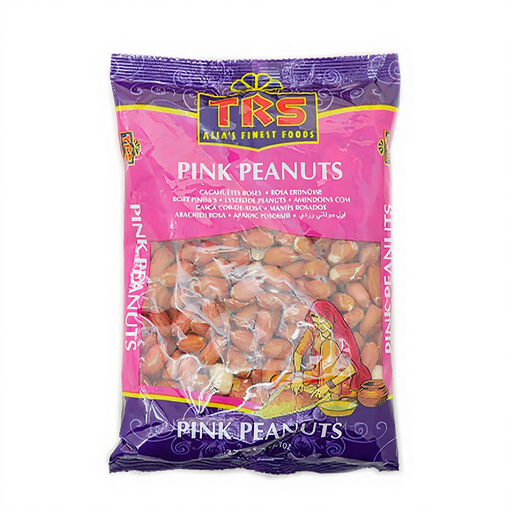
The 375 g pack can be divided up before you take it along for a group. If you want to eat the peanuts straight away at Carnival, check first whether you’ll need to prepare the kernels.
If you have an allergy, check the labelling on the pack you’ve bought. Don’t try to work out the fat content per 100 g from the pack size.
No. Having a lower fat content than another type of nut doesn’t justify this nutrition claim. Under the EU rules explained by the Federal Ministry of Agriculture, Food and Home Affairs, nutrition claims must meet specific requirements. When shopping, compare the fat content per 100 g as well.
Of the EDEKA products mentioned here, plain GUT&GÜNSTIG cashews contain less fat, at 47.1 g per 100 g, than the unsalted EDEKA Herzstücke peanuts listed at 51 g and GUT&GÜNSTIG almonds at 53 g. This is a comparison of these products, not a general ranking of all nuts.
Not necessarily: ‘unsalted’ tells you nothing about the fat content. The roasted unsalted peanuts listed by EDEKA contain 0.01 g of salt but 51 g of fat per 100 g. Sunflower oil is also listed as an ingredient.
Before sharing, check the ingredients and allergen and precautionary allergen information on every pack you’ve bought. If someone in the group has an allergy, the variety name alone isn’t enough to help you choose a bowl of snacks to share.