Hosts comparing calories
You’re putting out snacks for a carnival party and want to compare the energy value of different products per 100 g. It also matters how much you actually put in the bowls.


For a carnival party, the energy value per 100 g is a good starting point when comparing snack mixes with crunchy alternatives. Also plan how much you’ll serve per person: a smaller portion on the nutrition label won’t necessarily match the amount in a party bowl. Terms such as ‘protein’ or ‘baked’ don’t replace checking the nutritional values, ingredients and allergens.
You’re putting out snacks for a carnival party and want to compare the energy value of different products per 100 g. It also matters how much you actually put in the bowls.
You consider protein, fat, salt and ingredients, but don’t assume that a protein or pulse-based claim means a lower energy value. The NRW Consumer Advice Centre makes the same point about alternative crisps.
You want to find out which ingredients and allergens a mix contains before serving it to everyone – such as peanuts, cereals containing gluten, milk, sesame or soya.
First, compare products of the same snack type using the energy value per 100 g. Then decide what portion size will work for your party and whether any ingredients or allergens limit your choice.
| Criteria | What to check | Who should consider it? |
|---|---|---|
| Energy and portion size | Compare kcal per 100 g and consider how much you actually plan to serve. | If I’m refilling bowls throughout a long party, I want to keep track of the energy value of comparable snacks and the amount served. Around 50% of consumers would consider this their most important purchasing concern. |
| Ingredients and other nutritional values | Compare protein, fat and salt values using the same reference amount, and check the ingredients list too. | With a savoury snack, I want to know what’s in the pack beyond its energy value, rather than relying on ‘protein’ or ‘less fat’ alone. For around 30% of consumers, this would be their top consideration. |
| Allergens and labelling | Check the ingredients and highlighted allergens on the current pack before sharing the snack with others. | Before several guests eat from the same mix, I need to know which allergens it contains. Around 20% of consumers would make this check a priority. |
A single nutritional value doesn’t tell you the overall energy content. The NRW Consumer Advice Centre points out that vegetable and pulse crisps don’t automatically offer a corresponding reduction in calories, even if they contain less fat.
Compare energy and salt per 100 g. If protein matters to you, check that value as well – but don’t use it instead of the energy value.
A portion size applies only to the amount stated. According to funny-frisch, 30 g of Ofen Chips Paprika contains 122 kcal; the manufacturer gives an energy value of 405 kcal per 100 g.
Decide how much to put in each bowl before serving. Only use the stated portion size as a guide for your party if it matches the amount you’ll serve.
A pack can contain several ingredients that may cause allergies. Lorenz lists peanuts, wheat, milk and soya among the ingredients in Snack-Hits; EDEKA lists wheat, sesame, barley and milk among the ingredients in its GUT&GÜNSTIG Snack-Mix.
Read the current ingredients and allergen information on every pack before putting snacks out for your guests.
The information for a specific pack may differ from what’s shown in a product listing. Lorenz and EDEKA both direct customers to the labelling on the product itself.
Use product pages to help you narrow down your options, then check the nutritional values, ingredients and allergens on the pack before buying.
Alongside classic crisps, funny-frisch makes oven-baked and protein crisps. These are crunchy alternatives, but they aren’t snack mixes.
Lorenz’s Snack-Hits is a mix of six types of snack, made for sharing.
EDEKA sells an eight-variety snack mix under the GUT&GÜNSTIG brand. Its nutritional values can be compared with those of other specific mixes.
Lidl describes the Alesto range as including nuts, dried fruit and savoury party snacks. These products shouldn’t be compared with snack mixes simply because of their ingredients.
These are individual savoury snacks, not mixes of different nibbles. If you’re considering alternatives like these for carnival, check their current nutritional values and the amount you plan to serve before choosing.
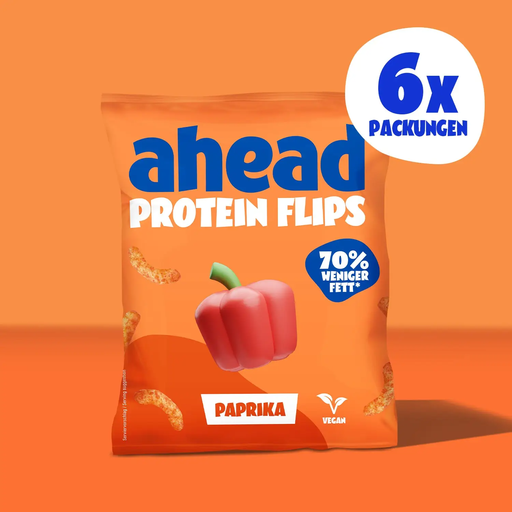 Image unavailable
An option if you’re considering individually wrapped savoury snacks for your party instead of a classic mix.
According to the product name, the tray contains six 50 g bags. Check the energy and salt values on the current pack to help you choose.
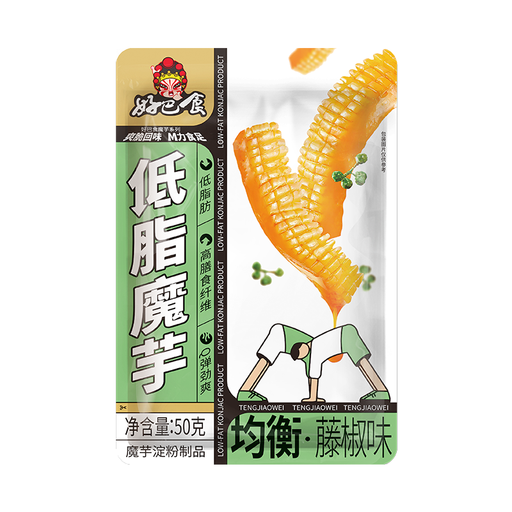 Image unavailable
Worth considering if you’d like to compare an individual savoury konjac snack alongside snack mixes.
The product name gives the weight as 50 g. Before sharing it, check the energy value, salt, ingredients and allergens on the current pack.
No. Less fat doesn’t automatically mean a corresponding reduction in calories. The NRW Consumer Advice Centre makes this point about vegetable and pulse crisps. Compare the kcal values of specific products using the same reference amount: per 100 g.
In particular, check the ingredients, highlighted allergens and nutritional values on the current pack. This information helps you assess the specific mix and the portion size you plan to serve your guests.
Use it for an initial comparison, then check the information on the pack. Lorenz and EDEKA both state in their product information that the labelling on the specific product is the one to follow.