Hosting guests with coeliac disease
If a guest needs to avoid gluten strictly, look for snacks explicitly labelled “gluten-free”. You can’t assume a snack is gluten-free just because potatoes or maize are its main ingredient.


For a carnival gathering, it’s not a one-size-fits-all “allergen-free” snack mix that matters, but the specific needs of each guest. For coeliac disease, look for an explicit gluten-free label; for allergies, check every pack for the ingredients and allergen information that matter to that individual. Vegan does not replace these checks. Keeping different snack options separate and clearly labelled helps guests understand which ones meet their needs.
If a guest needs to avoid gluten strictly, look for snacks explicitly labelled “gluten-free”. You can’t assume a snack is gluten-free just because potatoes or maize are its main ingredient.
A plant-based selection may suit guests who eat vegan. If the same snacks also need to meet other requirements, check each product for gluten and any relevant allergens too.
If someone has a peanut, tree nut or milk allergy, it’s the specific allergen that must be excluded. A mix described generally as “free from” doesn’t tell you whether it’s suitable for that particular allergy.
Before you shop, find out what each guest needs to avoid. Then check the actual packaging of every snack you’re considering. A vegan label and a gluten-free label answer different questions.
| Requirement | What to check | Who it matters to |
|---|---|---|
| Gluten-free labelling | For guests with coeliac disease, look for the explicit “gluten-free” label on the pack. Under EU Implementing Regulation No 828/2014, food sold to consumers can contain no more than 20 mg/kg of gluten to be labelled gluten-free. | If a guest needs to avoid gluten because of coeliac disease, I don’t want to rely on what I assume the ingredients of a crisp or cracker might be. For around 34% of consumers, this gluten-free requirement is their main consideration when shopping. |
| Specific allergens | Compare the ingredients and allergen information for each product with the particular substance to be avoided, such as peanuts, tree nuts or milk. If necessary, ask the guest how they handle precautionary statements about possible traces. | If someone in my group has a known allergy, the specific allergen must be excluded; a general “free from” claim isn’t enough for me. Around 33% of consumers focus on checking for specific allergens. |
| Vegan and other requirements | Check that the product is vegan and that it meets any additional requirements. According to Lorenz, Saltletts Sticks labelled as vegan contain wheat flour and barley malt extract. | I want to offer a vegan option, but I’ll only include it in a gluten-free selection if the same pack is labelled as meeting both requirements. This combination is a priority for around 20% of consumers. |
| A separate snack buffet | Serve options separately and keep the original packs with their ingredient and allergen information accessible. Only label products with claims that match the information on the relevant pack. | If guests need to avoid different things, they should be able to see which information applies to each bowl. For around 13% of consumers, clear organisation is the top priority. |
Vegan ingredients can include wheat or barley. Lorenz labels Saltletts Sticks as vegan, but the ingredients include wheat flour and barley malt extract.
If you need both, check that the very same pack is labelled as vegan and gluten-free.
According to Lorenz, Nuts & Fruits Geistesblitzer contains peanuts, almonds, hazelnuts and cashews. ErdnußLocken Balls also contain peanuts. These products aren’t suitable for guests who need to avoid these ingredients.
If someone has a peanut or tree nut allergy, check every product individually and ask the guest how they handle the possibility of traces.
Lorenz says packs with the old and new labelling may be on sale at the same time. So an ingredients list you read previously may not match the pack you buy.
Read the ingredients and allergen information directly on the packs you’ve actually bought, both when shopping and before serving them.
When different snacks are mixed together, it’s harder to tell which ingredients and allergen information apply to each product.
Use separate, clearly labelled bowls and keep the original packs so guests can check the information for themselves.
A brand can be a useful starting point, but it can’t guarantee that all its products meet the same requirements. What matters is the labelling on the product you plan to serve at your carnival buffet.
The range includes crisps, pretzels and other savoury baked snacks, peanut snacks, and nut and fruit mixes.
funny-frisch offers a range of savoury snacks, including crisps, lentil and maize snacks, crackers and pretzel sticks.
REWE has a gluten-free snacks category, including products from the REWE frei von range and other brands.
EDEKA describes gluten-free products in its own-label range.
Lidl’s Vemondo range includes vegetarian and vegan products.
ALDI SÜD has a category for vegan sweets and snacks.
These products can help you choose individual savoury or sweet options for separate bowls, but they’re not intended as a mixed snack selection. Check the requirements and allergen information on the pack you buy for each guest. In particular, not every vegan snack is explicitly labelled gluten-free.
 No image available
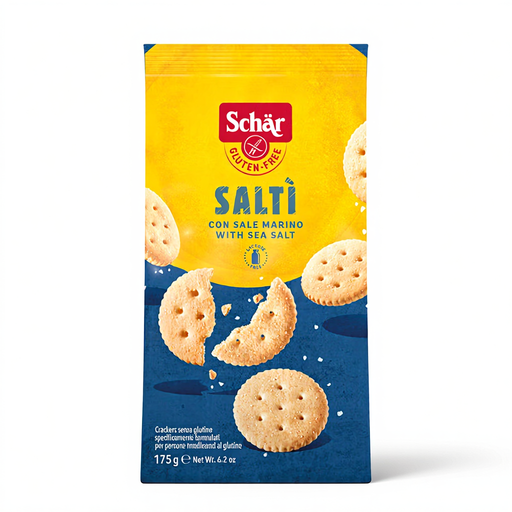
A savoury option explicitly labelled gluten-free, ideal for a separate snack bowl. If anyone has a soya or lupin allergy, pay particular attention to the information on the pack you buy: the product information lists soya and possible traces of lupin.
 No image available
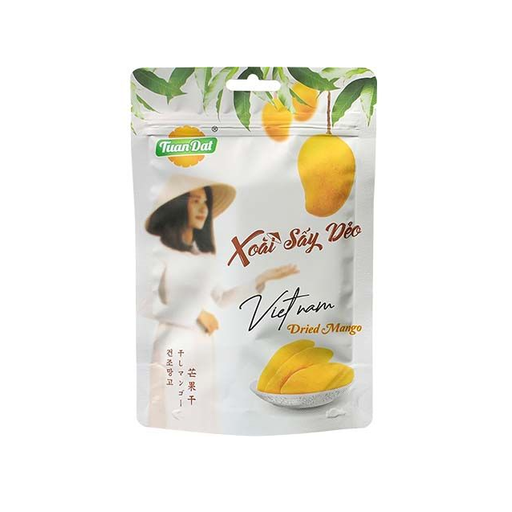
Dried mango is a sweet option to serve on its own instead of as part of a savoury snack mix. The product information lists sulphites; this product won’t be suitable for anyone with a sulphite intolerance. Check the pack for any other allergens that may be relevant to your guests.
 No image available
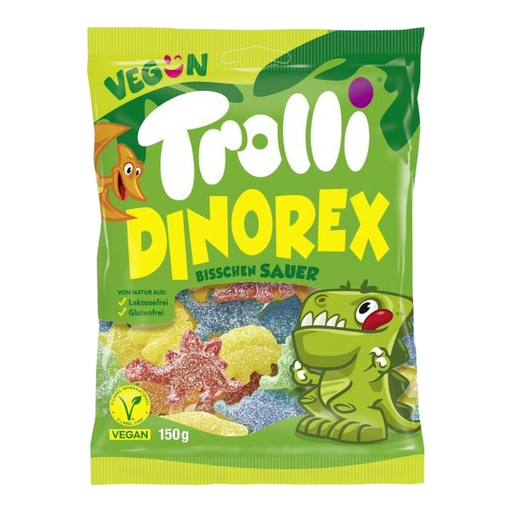
A vegan sweet for a separate bowl, rather than a savoury snack. If guests also need to avoid gluten or specific allergens, check the relevant information on the pack. The product information warns that these sweets may pose a choking risk to young children.
 No image available
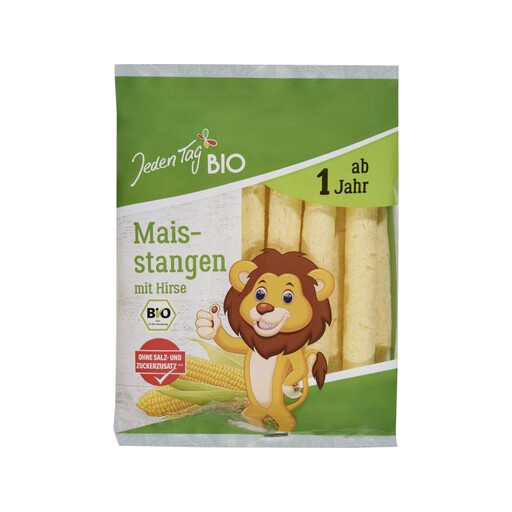
Maize and millet puffs could be served as a snack option on their own. If a guest has coeliac disease, the type of grain alone isn’t enough: check that the specific pack is explicitly labelled gluten-free. The product information also warns that these puffs may pose a choking risk to children.
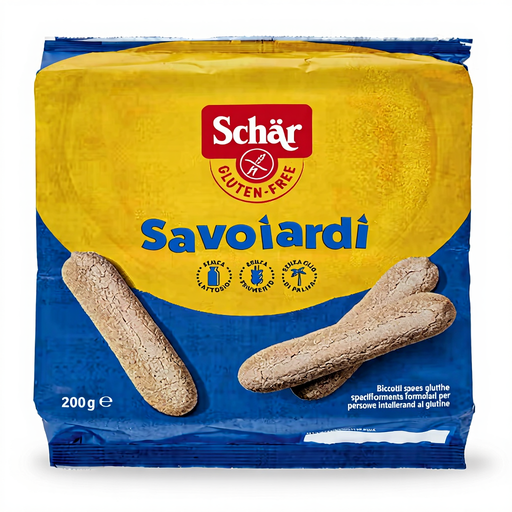 No image available
A sweet biscuit option labelled gluten-free, instead of a savoury snack mix. According to the product information, the ladyfingers contain egg, so they’re not suitable for guests with an egg allergy or as a vegan option. Check the pack you buy for any other relevant information.
For food sold to consumers, EU Implementing Regulation No 828/2014 allows a product to be labelled “gluten-free” if it contains no more than 20 mg/kg of gluten. If a guest has coeliac disease, look for this explicit label on the specific pack rather than assuming a snack is suitable because it contains potatoes or maize.
No. Vegan describes neither the gluten content nor whether a product is free from nuts. For example, Lorenz labels Saltletts Sticks as vegan, but they contain wheat flour and barley malt extract. If you need to meet several requirements, check that each one applies to the same product.
It depends on what each guest needs to avoid. According to the Federal Ministry of Agriculture, Food and Regional Identity, 14 substances or groups of substances must be declared as allergens. For snacks, these may include cereals containing gluten, peanuts, tree nuts, milk, soya, sesame or mustard. Check the ingredients and allergen information on every pack individually.
Check whether the notice applies to the exact product and batch you’ve bought, and don’t serve any affected product. A standard ingredients list can’t rule out a substance mentioned in a recall notice as not having been declared: Lorenz reported the accidental presence of mustard in products with wasabi seasoning. Recall notices are published by the Federal Office of Consumer Protection and Food Safety and the German federal states.