What should you look for when buying?
First, work out which ingredients you absolutely need to avoid. Then compare other factors, such as whether the recipe is plant-based, the format and the nutritional information.
| Criteria |
What to check when buying |
Who it matters most to |
| Specific allergens |
Check the highlighted ingredients and any ‘may contain’ warnings for each variety against the allergen you need to avoid. If you’re buying bars for several people, make sure you can clearly identify each variety. |
If I’m buying a bar for myself or someone else with a specific allergy, I need to be able to check the relevant trigger on the pack. Avoiding a specific allergen is the top priority for around 36 % of consumers. |
| ‘Gluten-free’ labelling |
If you need to avoid gluten strictly, look for ‘gluten-free’ and check the pack intended for the relevant market. Under EU Implementing Regulation No 828/2014, the claim means the food contains no more than 20 mg of gluten per kg when sold to consumers. |
If I have coeliac disease, I need a clear ‘gluten-free’ claim rather than trying to guess from the ingredients. Around 29 % of consumers are likely to consider explicit labelling their most important buying criterion. |
| Vegan and other claims |
Check that all the claims you need apply to the same variety. Then check the ingredients and allergens: ‘vegan’ alone tells you nothing about gluten or nuts. |
I want to eat plant-based and may also need to avoid another ingredient. Around 21 % of consumers are likely to prioritise a vegan recipe or a combination of several stated product attributes. |
| Format and sugar information |
Check which variety you’ll actually be able to identify when you’re out and about. If sugar matters to your choice, compare the nutritional information per 100 g and, where applicable, per bar. |
For a day at carnival, I want to take a bar with clear ingredients and nutritional information that’s easy to identify. For around 14 % of consumers, this practical consideration is likely to come first. |
Joybuy bars for different needs
These bars cater to different preferences: a wafer bar variety described as gluten-free, as well as bars for people looking for vegan products. Check the pack for every variety to make sure it meets your needs and avoids the ingredients you need to steer clear of.
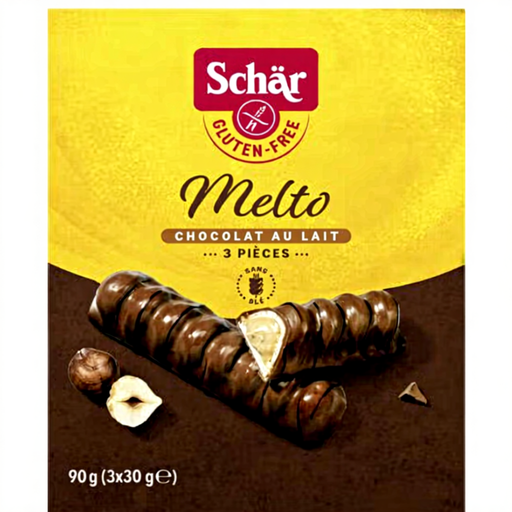 Image unavailable
Schär Gluten-Free Melto Hazelnut Wafer Bars, 3 × 30 g
An option if you’re looking for a wafer bar explicitly described as gluten-free. According to the product information, this variety isn’t suitable if you need to avoid hazelnuts, milk or soya; also bear in mind that it may contain traces of peanuts and other nuts.
Before buying, check the ingredients and allergen information on the pack intended for Germany.
View at Joybuy
 Image unavailable
Corny Haferkraft Zero Peanut Butter Oat Bars, 12 × 50 g
An option if you’re looking for an oat bar described as vegan. The product information lists peanuts and oats labelled as containing gluten, so you should avoid this variety if you have a relevant allergy or need to avoid gluten strictly. Possible traces of nuts and milk are also listed.
If sugar content matters to you, compare the nutritional information on the pack: ‘no added sugar’ doesn’t mean sugar-free.
View at Joybuy
 Image unavailable
Barebells Vegan Protein Bar Peanut Caramel, 12 × 55 g
For anyone looking for a protein bar described as vegan. According to the product information, this variety contains peanuts, soya and wheat protein; it isn’t suitable if you need to avoid these ingredients. Also check the listed possibility of traces from shared production lines.
A vegan claim isn’t the same as a gluten-free claim. Compare the allergen information with your requirements on the pack you’re actually buying.
View at Joybuy
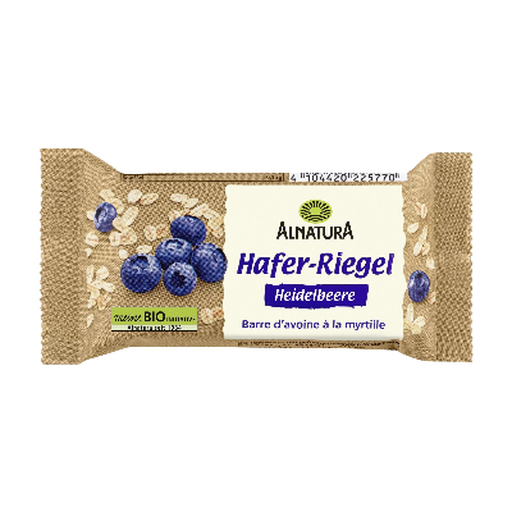 Image unavailable
Alnatura Organic Blueberry Oat Flapjack Bar, 60 g
An oat bar to consider if you’re looking for a variety described as vegan to take out with you. According to the product information, it contains oats with gluten; you should avoid it if you need to avoid gluten strictly. Possible traces of egg, milk, sesame, soya and nuts are also listed.
Before choosing the bar for yourself or someone else, check the ingredients and ‘may contain’ warnings on the pack intended for Germany.
View at Joybuy
Frequently asked questions about free-from bars
If I have an allergy, is ‘vegan’ or ‘gluten-free’ enough?
No. ‘Vegan’ doesn’t rule out nuts, peanuts, sesame or soya, for example, while ‘gluten-free’ relates to gluten. Check the highlighted allergenic ingredients and any ‘may contain’ warnings for every variety.
What does ‘gluten-free’ mean on a snack bar in Germany?
Under EU Implementing Regulation No 828/2014, the claim ‘gluten-free’ can be used when a food contains no more than 20 mg of gluten per kg when sold to consumers. Other allergens may still be present and need to be checked separately.
What should I do if a product may contain traces?
A ‘may contain’ warning relates to possible accidental contact and isn’t the same as labelling for allergenic ingredients that have been deliberately added. Lebensmittelklarheit explains that these additional warnings aren’t regulated uniformly by law; assess them in line with the individual guidance that applies to your allergy.
Can I rely on the ingredients list for a product with the same name from another country?
No. The German Coeliac Society points out that foods with the same name can have different ingredients depending on the country where they’re sold. For your choice, rely on the ingredients list on the pack you’re actually buying.
Is a bar with no added sugar automatically low in sugar?
No. Sugar can also come from the ingredients used. The consumer advice centre recommends not judging sugar content by the ingredient name alone; if needed, compare the nutritional information per 100 g and per bar.


