
Lieferung heute & morgen

Qualitätsgarantie

Willkommens-Angebote freischalten: KOSTENLOSE Lieferung | Bis zu 80 % RABATT | Kostenlose 30-Tage-JoyPlus-Testphase
App herunterladen
A carpet cleaner should lift stains, pet messes and deeply embedded dirt from carpets, sofas and car seats. In practice, however, machines vary considerably in tank capacity, suction power, reach and maintenance requirements. If you focus only on a high wattage or bold marketing claims, you could easily end up with a machine that’s too small, too heavy or unsuitable for the fabric you want to clean.
A high motor rating tells you about the electricity consumption or power input of the motor. On its own, it doesn’t tell you how much dirty water the machine actually removes from the fabric. Suction power, nozzle design, water flow and filters also matter when assessing practical performance. A carpet washer with a well-designed spray and extraction process may be more effective on stains than a higher-wattage machine with a poorly designed nozzle.
A compact portable carpet cleaner is easy to store, but you’ll need to refill and empty it more often. A small tank is often enough for individual stains. If you regularly clean several carpets, upholstered items or car seats, separate clean- and dirty-water tanks are a real benefit. They prevent water that has already been collected from being spread back over the surface.
A steam cleaner for carpets works differently from a carpet washer: it loosens dirt with hot steam, but doesn’t necessarily collect the water afterwards. Heat and moisture can damage delicate, glued or non-water-resistant materials. Before each use, check the care label and test the colour and material on an inconspicuous area.
For conventional stain removal, choose a machine with spray, brush and extraction functions. The cleaning solution is applied, the brush works it into the fibres, and the suction removes the dirty liquid. This design is found in many carpet washers and portable upholstery cleaners.
A dual-tank system keeps clean and dirty water separate. Check the actual stated capacities and whether both tanks can be removed. Here are some examples from our selection:
For stairs, sofas and car seats, hose and cable length matter more than they do for spot-cleaning floors. A lightweight handheld machine is ideal for quick jobs. Larger wet vacuums offer more capacity but need more storage space. After use, tanks, nozzles and filters must be left to dry completely to prevent unpleasant smells.
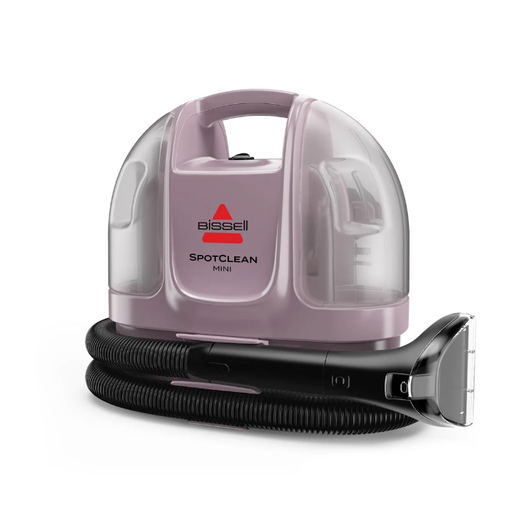
Why it suits this type of household: This compact, corded machine is designed for individual stains, stairs, upholstery and car interiors, and is easy to store away.
At around 3.4 kg, it’s lightweight enough for quick jobs, without the need to buy or store a large carpet washer.
Spray, brush and extraction functions, plus a compact design for spot cleaning.
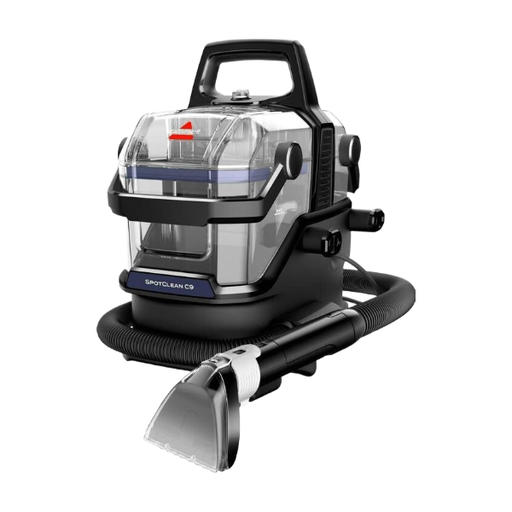
Why it suits this type of household: Its separate tanks and 400-watt motor make it a good option for households that want to spot-clean carpets and upholstery regularly.
The 1.9- and 1.4-litre clean- and dirty-water tanks avoid the common drawback of single-tank machines.
Dual-tank system, portable design and suitability for carpets and upholstery.
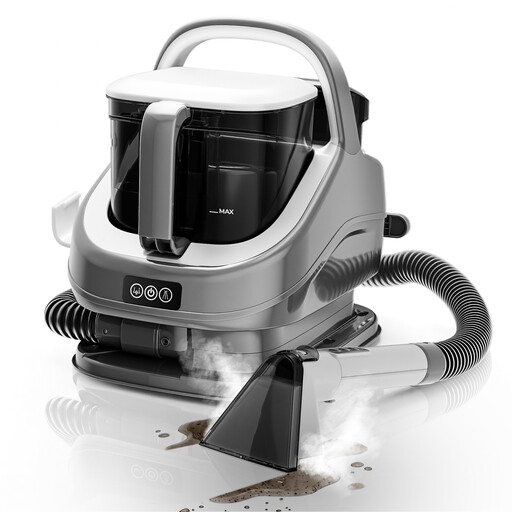
Why it suits this type of household: Three selectable modes — cold water, hot water and steam — make it appealing for households that want to clean different fabrics and types of dirt.
The choice of modes means you don’t have to use steam every time. You should still check that the mode is suitable for the material before cleaning.
1300 Watt, 13 kPa suction power, separate tanks and a 3-metre power cable.
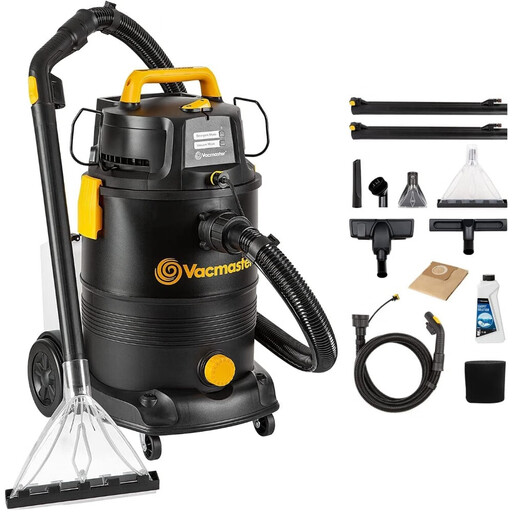
Why it suits this type of household: This larger machine is ideal if you want one system for wet and dry vacuuming, as well as carpet and upholstery care.
The 30-litre collection tank means fewer interruptions during larger cleaning jobs, but the machine does take up more floor space.
1300-watt motor, wet/dry vacuuming, 6-litre cleaning solution tank and HEPA exhaust filter for dry vacuuming, according to the product details.
Before wet cleaning, vacuum up any loose dirt. Use only a low-foaming cleaning solution that’s suitable for your machine, and follow the recommended dosage. When cleaning car seats, don’t soak the upholstery. Work in sections and make several extraction passes without spraying more solution.
To remove pet stains, first blot up the mess carefully. Then check whether the material is water-resistant and colourfast. A carpet cleaner is no substitute for professional treatment of damage or delicate fabrics. After each use, empty the dirty-water tank, rinse the nozzles, check the filters and leave all parts to dry completely.
We’ve put together a complete, regularly updated list of products that meet these strict selection criteria and fully comply with the safety regulations in force in the EU.
It depends on how often the carpet is used, its material and how dirty it is. For individual stains, spot cleaning is enough. Only deep-clean a large area if the carpet is suitable for it. Allow plenty of time for it to dry and make sure the room is well ventilated.
A carpet washer sprays on cleaning solution and then extracts the dirty liquid. A steam cleaner uses heated water or steam and doesn’t always collect the dirty water. For wet stains and upholstered fabrics, a carpet washer is often the more suitable type of machine. Steam cleaners require particularly careful checks to make sure the material can withstand them.
As well as electricity, you may need to buy cleaning solution and replacement filters, and possibly new nozzles. Costs depend on the motor rating, how long you use the machine and how much solution you need. A machine with easy-to-access, washable components can make everyday maintenance simpler.