
Lieferung heute & morgen

Qualitätsgarantie

Willkommens-Angebote freischalten: KOSTENLOSE Lieferung | Bis zu 80 % RABATT | Kostenlose 30-Tage-JoyPlus-Testphase
App herunterladen
Spilt drinks on the carpet, pet hair on the sofa or stains on a car seat can be tackled more effectively with a suitable carpet cleaner wet vacuum than with a conventional vacuum cleaner. These machines spray water or cleaning solution onto the fabric and then vacuum up the loosened dirt.
However, portable models vary considerably in tank capacity, suction power, ease of use and maintenance. If you focus only on a high wattage or bold product claims, you could end up with a machine that’s too noisy or awkward to use day to day, or unsuitable for the surface you want to clean.
The motor’s wattage indicates its electrical power consumption or rated output. Vacuum pressure, airflow, nozzle design and seals also play an important part in how effectively dirty water is picked up. A carpet cleaner with spray and suction functions should therefore provide specific information about its suction power or vacuum pressure wherever possible.
A compact spot cleaner is easy to store in a cupboard. But if its clean-water tank is very small, you may need to refill it frequently when cleaning larger sofas, stairs or several car seats. It’s also worth checking that the tanks are separate: a dual-tank system keeps clean water apart from dirty water and makes emptying easier.
Hot water or steam can be useful for certain materials, but they’re not suitable for everything. Before cleaning, check the care label, the manufacturer’s instructions and whether the colour is fast. Fabrics that aren’t water-resistant, delicate coatings and untreated materials can be damaged by moisture or heat.
For spot cleaning, a combination of spraying, brushing and vacuuming is a good choice. The liquid loosens the dirt, the brush works it out of the fibres, and suction picks up as much moisture as possible. Figures such as 12 kPa, 13 kPa or more than 15 kPa are useful for technical comparisons, but they don’t tell you on their own how quickly a fabric will dry.
A wet vacuum for carpets is designed primarily for suitable fabric surfaces. Use a standard vacuum cleaner beforehand to remove larger bits of dirt, sand and hair. This reduces the strain on the hose, filter and pump.
Check the capacity of both tanks. Here are a few examples from our selection:
Larger tanks can mean fewer interruptions to refill, but they usually add to the machine’s weight and the space it takes up.
A sufficiently long hose is essential for cleaning sofas, stairs and car seats. Check whether the nozzle is suitable for small stains, larger areas or tight spaces. A car upholstery cleaner should also be easy to carry and have a nozzle that can be guided accurately across narrow seat surfaces.
For easier maintenance, look for rinseable tanks, easily accessible filters and, ideally, a cleaning function for the hose or tools. After each use, empty, rinse and dry the dirty-water tank, brushes and nozzles thoroughly.
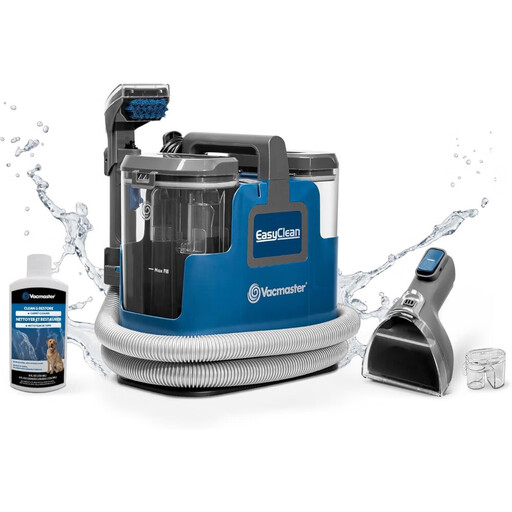
Why it suits this type of user: According to the product specifications, this compact machine weighs 3.4 kg and is suitable for spot cleaning, sofas, stairs and car seats.
The separate tank system keeps clean water apart from the dirty water picked up during cleaning. The stated 1.8 m cable gives you plenty of reach.
500 W motor, stated wet suction power of 17 kPa and cleaning solution included for spot cleaning.
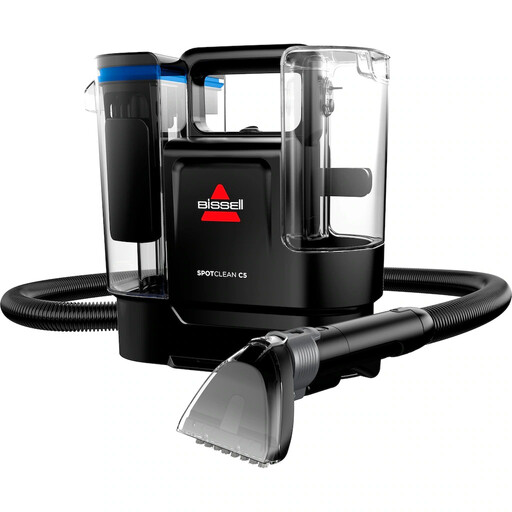
Why it suits this type of user: Designed for households that value separate tanks, a long hose and a well-designed maintenance routine.
The product specifications list 0.9 litres of clean water, 0.8 litres of dirty water and a HydroRinse tool for flushing the system.
Stated suction power of more than 15 kPa, a 1.7 m hose and a three-step spray, brush and vacuum cleaning process.
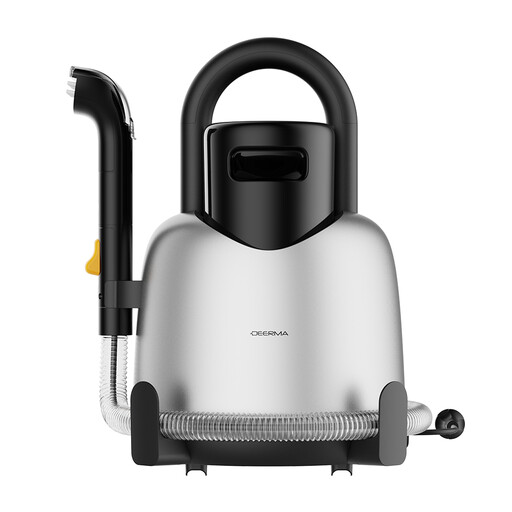
Why it suits this type of user: This model offers several cleaning modes and five attachments for different fabric surfaces around the home and in your vehicle.
The choice of room-temperature water, hot water or steam makes checking the material especially important. Not every fabric is suitable for heat.
Stated suction power of 13 kPa, a 1.7 L clean-water tank and a 1.4 L dirty-water tank, plus a self-cleaning function.
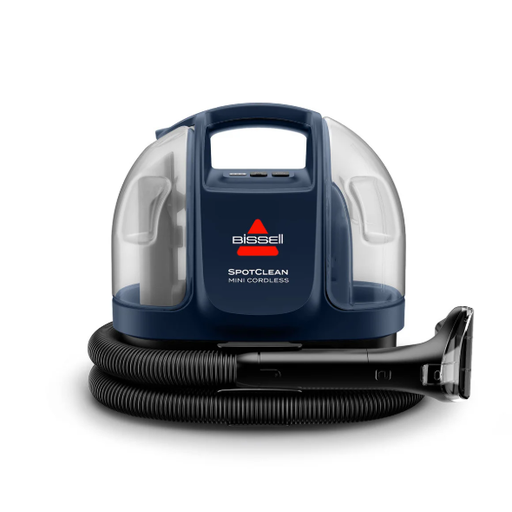
Why it suits this type of user: Its compact, portable design is ideal for flats, occasional spot cleaning and hard-to-reach areas.
Its small size takes up less space. For larger areas, however, check the tank capacity and how long the job is likely to take before you buy.
Compact design, low machine weight according to the product specifications, and suitable for upholstery, stairs and car interiors.
We’ve put together a complete, regularly updated list of products that meet these strict selection criteria and fully comply with the safety regulations in force in the EU.
The machine sprays water or cleaning solution onto the fabric surface. A brush helps work it in, then the machine vacuums the liquid and loosened dirt into the dirty-water tank.
Its lifespan depends on how often you use it, how well you maintain it, how regularly you clean the filter and whether you store it correctly. Rinse the tanks and nozzles after each use, and don’t put the machine away until all its components are completely dry.
As well as electricity, you’ll need to allow for water, cleaning solution and, where necessary, replacement filters or accessories. Occasional spot cleaning usually uses less than cleaning a large area. Before buying, check the tank capacity, dosage instructions and availability of replacement parts.