
Lieferung heute & morgen

Qualitätsgarantie

Willkommens-Angebote freischalten: KOSTENLOSE Lieferung | Bis zu 80 % RABATT | Kostenlose 30-Tage-JoyPlus-Testphase
App herunterladen
A carpet cleaner can tackle stains, spilled drinks, pet accidents and everyday dirt at home. However, models vary considerably in suction power, tank capacity, reach and cleaning method. If you focus only on a high wattage or eye-catching marketing claims, you could end up buying a machine that’s too noisy, awkward or unsuitable for your needs.
This buying guide from the Joybuy Product Recommendation Officer explains which technical details really matter and which models may suit different cleaning needs.
Motor power in watts describes electrical consumption or rated power. It doesn’t automatically tell you how much dirty water the machine can extract. With a wet and dry cleaner or carpet washer, suction power in kPa is also important. The design of the nozzle, hose and filter affects the results too.
So always consider a figure such as 600 W or 1,300 W alongside the suction power, spray function and nozzle system.
A steam cleaner for carpets uses hot steam. This can help loosen dirt, but it doesn’t necessarily extract liquid. A conventional upholstery cleaner with spray, brush and suction functions applies cleaning solution, then draws the dirty water into a separate tank.
Neither method is automatically suitable for delicate or non-water-resistant fabrics. Check the care instructions for the material before buying or using a cleaner.
A compact, portable carpet cleaner is easy to store. However, small water tanks may need frequent refilling and emptying when you’re cleaning large carpeted areas or several pieces of upholstered furniture. For stairs, sofas and car seats, hose length and power cable length also affect how far you can reach.
A higher kPa rating can help extract loosened dirt, but it’s not the only measure of quality. Look out for:
For spot cleaning, a stain cleaner with spray, brush and suction functions is often more practical than a large machine designed to clean an entire floor.
A dual-tank system keeps clean water and dirty water separate. This reduces the risk of putting extracted water back onto the fabric and makes emptying easier. Both tank capacity and ease of cleaning are worth considering.
After each use, rinse the dirty-water tank, nozzle, hose and filter according to the manufacturer’s instructions, then let them dry completely. This helps prevent residue and unpleasant smells inside the machine.
Before cleaning, test an inconspicuous area to check that the fabric is colourfast and water-resistant. This is particularly important for:
A sofa cleaner or machine for cleaning upholstery isn’t automatically suitable for leather, coated fabrics or delicate natural fibres. Only use cleaning products approved by the manufacturer, and observe the maximum water temperature.
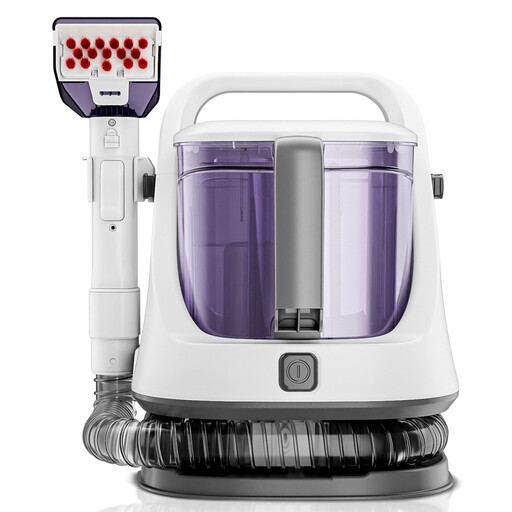
Why this product is a good fit: This compact cleaner is designed for individual stains on sofas, stairs, carpets and car seats. Its 650 W motor, 12 kPa suction power and 1.1 m hose make it easy to use around the home or car.
The separate 1,400 ml and 1,200 ml tanks keep clean and dirty water apart. The specifications also give the suction power and hose length, rather than just the motor power.
Compact design, 3 m power cable and removable tanks for easy cleaning and maintenance.
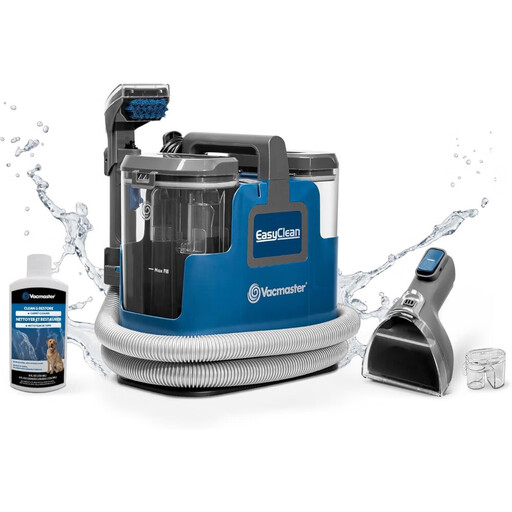
Why this product is a good fit: This carpet washer combines a 500 W motor with 17 kPa suction power and a 1.8 m hose. It’s suitable for upholstery, carpets, stairs and car interiors.
The details on suction power, hose length and separate water tanks make it easier to assess the machine objectively before buying. Both tanks are removable and can be rinsed after use.
17 kPa suction power, a 1.8 m hose and included cleaning solution for spot-cleaning fabrics.
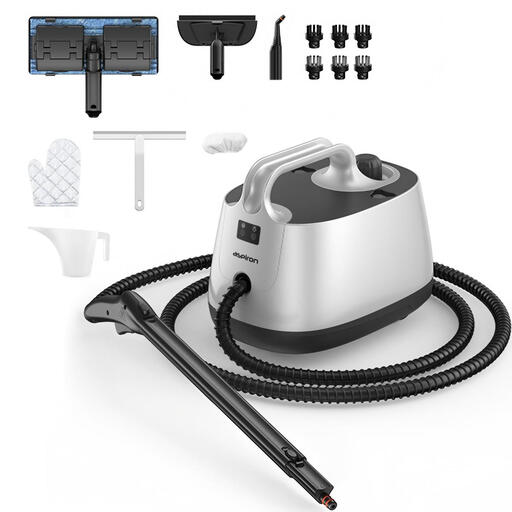
Why this product is a good fit: This cleaner is for households looking to use steam on more than just upholstery, including hard floors, windows, grout and other surfaces. It has a stated power of 1,500 W, a pressure of 4 bar and a 1.5 l water tank.
Clearly identifying it as a steam cleaner helps you distinguish it from a conventional carpet washer. Steam loosens dirt, but doesn’t necessarily collect dirty water in a separate tank.
21 accessories and a 1.5 l water tank for a range of indoor cleaning tasks.

Why this product is a good fit: For pet areas, sofas, carpets and car seats, this cleaner offers wet cleaning with 600 W of power, 17 kPa suction and separate water tanks.
The instructions specify a maximum water temperature of 40 °C, a low-foam cleaner and a test on an inconspicuous area. This helps prevent common mistakes.
17 kPa suction power, a wet-cleaning function and a dual-tank system for fabrics and car interiors.
We’ve put together a complete, regularly updated list of products that meet these strict selection criteria and fully comply with the safety regulations in force in the EU.
When cleaning car seats, take particular care not to use too much liquid. It can seep into the padding and take longer to dry. Always follow the instructions from the vehicle or textile manufacturer for delicate materials.
The main running costs are electricity, water and, where needed, cleaning solution. With a mains-powered machine, electricity use depends on the motor power and how long you use it. A higher wattage can mean higher running costs if you use the cleaner frequently, but it isn’t a reliable measure of cleaning performance on its own.
Its lifespan depends on how often you use it, how well you maintain it, how regularly you clean the filter and whether you fill it correctly. Rinse the dirty-water tank and nozzle after every use. Also make sure no water gets into the main unit and that the intake remains clear.
No. Not every carpet, sofa or car seat is suitable for wet cleaning. Check the care label, test an inconspicuous area and use water at the temperature specified by the manufacturer. Don’t use a carpet washer on materials that aren’t water-resistant.