
Lieferung heute & morgen

Qualitätsgarantie

Willkommens-Angebote freischalten: KOSTENLOSE Lieferung | Bis zu 80 % RABATT | Kostenlose 30-Tage-JoyPlus-Testphase
App herunterladen
A carpet cleaner wet vacuum sprays water or cleaning solution onto textile surfaces and then vacuums up the dirty liquid. This is useful for removing stains from carpets, sofas, stairs and car seats. However, appliances vary considerably in suction power, tank capacity, cleaning modes and maintenance requirements.
Anyone who focuses only on wattage or advertising claims such as “deep cleaning” may end up buying a machine that works too slowly in everyday use, is difficult to clean or is unsuitable for the materials they have at home. The following points will help you assess the technical specifications objectively.
A high wattage initially describes the motor’s energy consumption. It does not automatically indicate how much liquid is collected at the nozzle. For practical cleaning, the stated suction power or vacuum pressure in kPa is generally more informative.
A wet vacuum with high suction power can remove residual moisture from fabric more quickly. However, the result also depends on the nozzle, hose, water delivery and speed of movement. When cleaning carpets and upholstery, move the nozzle slowly and evenly.
A carpet cleaner with a steam function can provide hot water or steam, depending on the model. However, this does not mean that every textile surface is suitable for it. Delicate fibres, glued carpet backings, coated upholstery fabrics and certain car seats may be damaged by heat or moisture.
The care label and operating instructions should always be followed before use. Test the temperature on an inconspicuous area first. A steam function is therefore an additional cleaning mode, not a blanket guarantee that it is safe for all materials.
A large clean-water tank reduces the need for refilling, but it often makes the appliance heavier. The size of the dirty-water tank is equally important. Compact portable models often have capacities of around 1 to 2 litres. This is sufficient for spot-cleaning stains, but cleaning several pieces of furniture or large carpets may require frequent emptying.
Look for a specific figure such as 12 kPa, 13 kPa or 15 kPa. These values make it easier to create a shortlist, but they cannot necessarily be compared directly between different manufacturers. You should also check whether separate figures are provided for motor power, airflow or nozzle performance.
For individual stains, areas used by pets and car seats, a compact appliance with a hose and narrow brush is usually sufficient. For frequent cleaning across several rooms, a model with higher suction power and larger tanks may be more suitable.
A traditional textile cleaner uses room-temperature water and, where appropriate, a suitable cleaning solution. Appliances with hot-water or steam functions offer additional modes. According to the product specifications, the ROUNY U2 Heat provides cold water, hot water and steam. The stated water flow varies depending on the mode.
A higher temperature can be useful for certain types of dirt, but it increases the need to check material compatibility and allow sufficient drying time. Ventilate the room well after wet cleaning. Do not soak the fabric more heavily than necessary.
A separate clean- and dirty-water system prevents collected water from being used again. You should also check:
A wet vacuum for sofas needs an upholstery nozzle that sprays in a controlled manner and then collects the liquid. A large floor attachment is less practical for car seats or armrests.
The following selection categorises appliances according to their stated technical specifications and areas of use. It does not replace checking the current product description, included accessories and safety instructions.
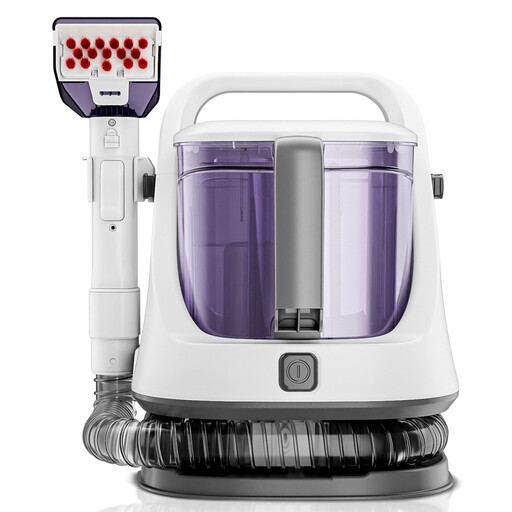
Why this product suits this profile: This compact appliance is designed for occasional stains on sofas, carpets, stairs and car seats. According to the product specifications, it has a power rating of 650 W, 12 kPa suction power and separate 1,400 ml clean-water and 1,200 ml dirty-water tanks.
The separate tanks and specific information about suction power and hose length make it easier to assess before buying.
1.1 m hose, 3 m mains cable and removable tanks for spot-cleaning tasks.
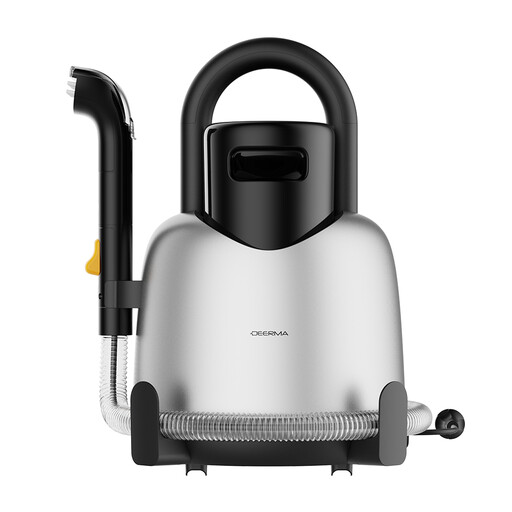
Why this product suits this profile: According to the product description, this corded model combines 1,700 W, 13 kPa suction power and three cleaning modes: 100 °C steam, 60 °C rinsing and room-temperature water.
The temperature modes are clearly specified. This makes it possible to check in advance whether the relevant fabric is suitable for hot water or steam.
1,700 ml clean-water tank, 1,400 ml dirty-water tank and five brush attachments.
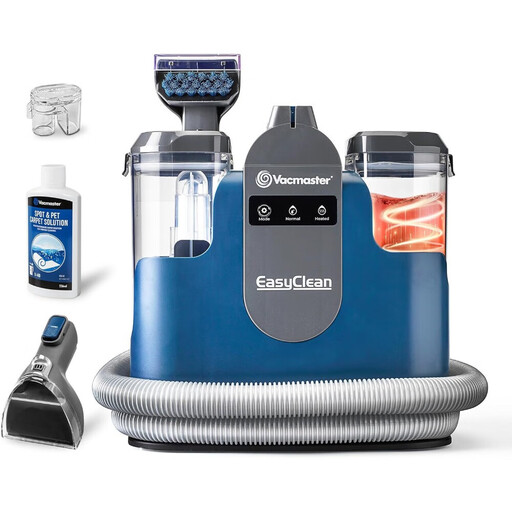
Why this product suits this profile: This model is designed for regular cleaning of carpets, upholstery, stairs and car seats. According to the specifications, it has a 1.6 L clean-water tank, a 0.95 L dirty-water tank and Normal and Heat modes.
The Heat mode can be selected separately from standard cleaning. The 1.8 m hose makes it easier to reach confined areas.
Two cleaning modes, separate tanks and an attachment for hose care.
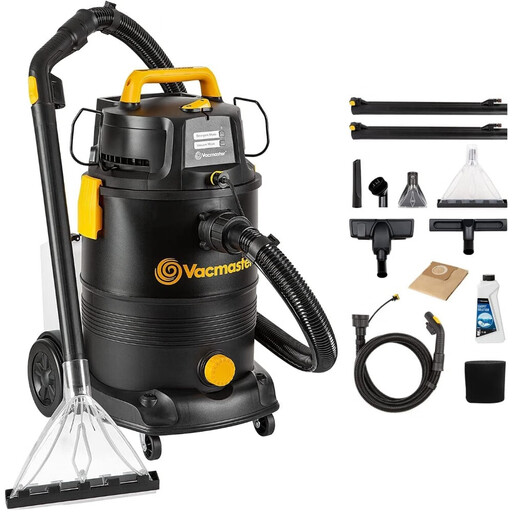
Why this product suits this profile: This wet-and-dry vacuum cleaner is aimed at households that want to clean dry and wet dirt as well as textiles. The specifications state 1,300 W, a 6 L cleaning-solution tank and a 30 L collection container.
The large container capacity is designed for longer cleaning intervals. However, the appliance may be more than you need for small stains.
3-in-1 functionality for wet, dry and carpet cleaning, plus HEPA material in the exhaust filter according to the product specifications.
We have put together a complete, regularly updated list of products that fully meet these strict selection criteria and the safety regulations applicable in the EU.
Before wet cleaning, remove loose dust with a carpet vacuum cleaner or a suitable dry vacuum cleaner. Test the cleaning solution on a concealed area and only use products that the operating instructions state are suitable for the appliance and fabric.
After cleaning, empty and rinse the dirty-water tank, nozzle and hose. Removable parts should be allowed to dry completely before being refitted or stored. This reduces residue and can help prevent odours caused by stagnant water. When cleaning stairs, take particular care to keep the appliance stable and ensure that the hose is routed freely.
Drying time depends on the type of fibre, amount of water used, room temperature and air circulation. Make several slow vacuuming passes without spraying again and ventilate the room. Do not use the carpet intensively again until it is completely dry.
Yes, provided the upholstery is suitable for damp cleaning. Special requirements apply to delicate fabrics, leather, imitation leather and integrated seat heating. Use a small upholstery nozzle, avoid excessive liquid and test the result on an inconspicuous area first.
Running costs consist of electricity, water, cleaning solution and, where applicable, replacement filters. For corded appliances, electricity consumption is determined by the power rating and usage time. Cordless models also require charging time and may need a replacement battery over the long term. Tank care and suitable consumables should also be factored into ongoing use.