
Lieferung heute & morgen

Qualitätsgarantie

Willkommens-Angebote freischalten: KOSTENLOSE Lieferung | Bis zu 80 % RABATT | Kostenlose 30-Tage-JoyPlus-Testphase
App herunterladen
Spilt drinks, chocolate-covered fingers or pet accidents can leave more than a surface stain on fabrics. A standard vacuum cleaner removes dry dirt, but it won’t extract liquid from fibres. Depending on its design, a carpet and upholstery cleaner combines spraying, brushing and suction.
To make sure your purchase is a practical choice for your home, look beyond motor power and marketing claims. The key considerations are where you’ll use it, how the tanks are designed, how much maintenance it needs and whether it’s suitable for water-resistant materials.
Figures such as 12 or 17 kPa describe suction power under specific conditions. On their own, they don’t tell you how quickly a sofa or carpet will actually dry. The nozzle, airflow, material and amount of liquid sprayed also affect the result.
A carpet washer should apply liquid in a controlled way and then extract it. Several slow suction passes will generally leave the surface drier than applying plenty of solution without extracting enough of it.
On cheaper machines, a shared tank can be impractical. Dirty water may be redistributed more easily, and emptying the tank can be more involved. A system with two separate water tanks keeps clean and dirty water apart, making it easier to check levels when refilling and emptying.
Tank capacity matters too. Smaller tanks make for a compact machine, but they’ll need refilling more often when cleaning larger sofas or several car seats.
A stain remover or carpet cleaning solution may not be suitable for certain fibres. Before use, test colourfastness on an inconspicuous area. Take particular care with materials that aren’t water-resistant, silk, delicate coatings and velvet.
With pet stains, treating only the visible area may not be enough. Liquids can seep into the padding. For spot cleaning, a small spray-extraction cleaner is often more practical than wet-cleaning a large area.
A fabric cleaner with a 3-in-1 system applies cleaning solution, loosens dirt with a brush and extracts the liquid. This combination is suitable for sofas, fabric chairs, stairs and car seats, provided the relevant upholstery is approved for wet cleaning.
For individual stains, a portable carpet cleaner with a narrow nozzle may be all you need. If you regularly clean larger carpeted areas, also consider the hose length, power cable length and tank capacity.
A motor’s wattage isn’t the same as its actual suction power. Depending on its design, a 600 W machine may perform differently from a 500 W model. Suction power, nozzle design and the product instructions together give you a better indication of performance.
For use in German households, the machine should be rated for 220–240 V. Corded models don’t need recharging, but you’ll need to plan around the socket location and cable routing.
Removable tanks are easier to rinse out after use. This is important, as leftover dirty water can cause odours. Clean the hoses, brush head and filter after every use, following the instructions, and let them dry completely.
Before buying, check:
You should also distinguish between a wet vacuum cleaner for larger areas and a spot cleaner for individual stains. A wet vacuum cleaner isn’t automatically suitable for every fabric surface.
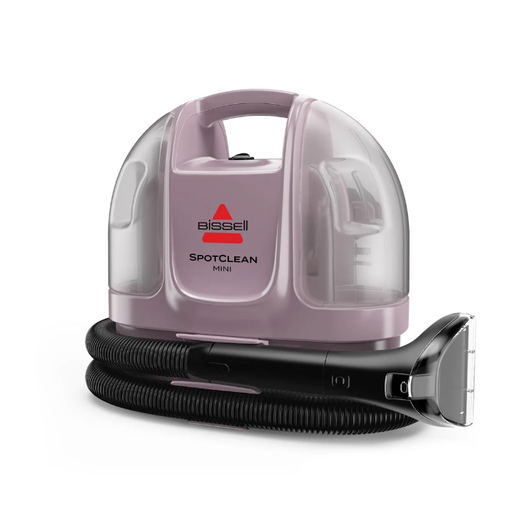
Why it suits this profile: This compact, corded machine is designed for smaller homes, stairs, upholstery, car interiors and everyday stains.
Spraying, brushing and suction are presented as one integrated cleaning system, so there’s less need to combine several machines.
Compact design, low product weight according to the product information, and suitable for stairs, upholstery and car seats.

Why it suits this profile: This model is designed for spot and deep cleaning of carpets, sofas and car seats. According to the product information, it has a 600 W motor and 17 kPa suction power.
Separate clean and dirty water tanks address the problem of a shared tank. The instructions also say to empty and rinse the tanks after every use.
17 kPa suction power according to the product specifications, flexible extended reach and wet cleaning with water heated to a maximum of 40 °C, as stated in the instructions.
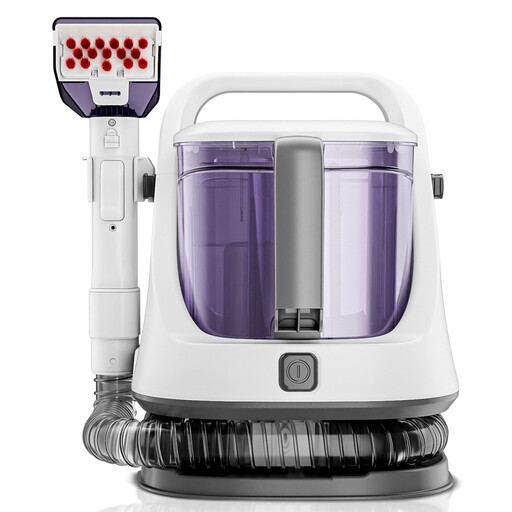
Why it suits this profile: With a 1,400 ml clean water tank, a 1,200 ml dirty water tank, a 1.1 m hose and a 3 m cable, this machine is designed for repeated use at home and in vehicles.
Separate tanks and a clearly marked maximum fill level help prevent unnecessary refilling and overfilling during cleaning.
650 W, 12 kPa suction power, a stated noise level of 80 dB, and suitable for carpets, sofas, stairs, upholstery and car seats.
For individual items of clothing or small stains, a liquid stain remover is often enough. The HEITMANN pure Stain Brush has a built-in brush head and, according to the product information, is designed for pre-treating white, coloured and delicate fabrics. However, it isn’t suitable for wool or silk.
Vanish Oxi Action Multi Fabric Spray is designed for use on various fabrics and carpets. The product information lists velvet, brocade, silk and oriental rugs among the materials it isn’t suitable for. For both products, follow the care label, test on an inconspicuous area and let the treated area dry completely.
We’ve put together a complete, regularly updated list of products that meet these strict selection criteria and fully comply with the safety regulations in force in the EU.
First, vacuum up any loose crumbs and dust. Then test colourfastness on a hidden area. Spray on a small amount of cleaning solution, move the brush slowly and extract the dirty water with several passes. Make sure the sofa is well ventilated afterwards. Padding that’s been soaked through can take much longer to dry.
Yes, provided the seat upholstery is suitable for wet cleaning and the vehicle manufacturer doesn’t specify any restrictions. Take extra care around electric seat components, delicate seams and heavily padded areas, and use as little liquid as possible. Keep liquid away from switches, electrical connectors and the seat mechanism.
Its lifespan depends on how often you use it, how well you maintain it and how it’s stored. After every use, empty, rinse and dry the tanks, brush head, hose and filter. The cable, seals and nozzles are all subject to wear. Using the machine correctly and following the instructions can help prevent unnecessary strain on the motor and water system.