
Lieferung heute & morgen

Qualitätsgarantie

Willkommens-Angebote freischalten: KOSTENLOSE Lieferung | Bis zu 80 % RABATT | Kostenlose 30-Tage-JoyPlus-Testphase
App herunterladen
A drink spilled on the sofa, paw prints on the carpet or a mark on the car seat: an ordinary vacuum cleaner is usually not enough for situations like these. A carpet and upholstery cleaner sprays water or cleaning solution onto the textile surface and then vacuums up the dirty liquid.
It is worth taking a close look at the technical specifications before buying. Terms such as carpet cleaner, upholstery cleaner, spot cleaner and washing vacuum cleaner are sometimes used for appliances with very different features.
Motor power in watts initially describes only the appliance’s electrical power consumption. For effective cleaning, suction power, water flow, nozzle design and airflow are also important. An appliance with a high wattage may be cumbersome to handle or consume a lot of electricity without delivering better results on every fabric.
With a wet vacuum cleaner or spray extraction cleaner, clean water should remain separate from the dirty water collected by the appliance. A two-tank system makes the appliance easier to use and prevents dirt that has already been removed from being put back onto the surface. Without this separation, refilling and emptying can become more awkward.
An upholstery steam cleaner can loosen dirt from textiles using high temperatures. However, not all carpets, sofa covers, mattresses or car seats are suitable for heat and moisture. Steam may be unsuitable for sensitive materials such as silk, certain velour fabrics or non-colourfast covers. Always check the care label before use and test the appliance on an inconspicuous area.
A portable carpet cleaner with a 3-in-1 function combines applying the cleaning solution, loosening dirt and collecting the liquid. This design is particularly suitable for spot cleaning sofas, stairs, mattresses and car upholstery.
For small marks, a separate spot remover with a brush head may be sufficient. For larger areas, a washing vacuum cleaner is more practical because it distributes the cleaning solution and collects the dirty water immediately.
Compact appliances are easier to store, but need to be refilled or emptied more frequently. As a guide:
Not every textile surface can be wet-cleaned. The care label, manufacturer’s instructions and a colourfastness test are therefore more important than broad advertising claims. After cleaning, as much liquid as possible should be vacuumed up and the fabric should be thoroughly ventilated. Damp upholstery should not be covered again immediately or subjected to heavy use.
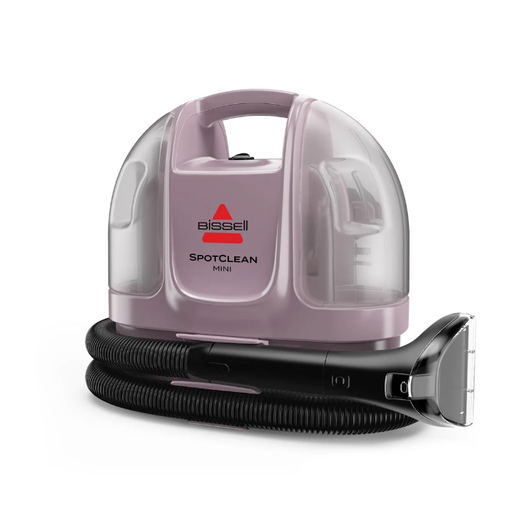
Why this product suits this profile: This compact, portable appliance is designed for everyday marks on upholstery, stairs and inside vehicles. It can also be stored neatly in smaller homes.
The choice is based not solely on motor power, but on the stated combination of spraying, brushing and vacuuming, as well as the appliance’s small footprint.
Compact design, an approximate product weight of 3,4 kg according to the product description, and suitability for upholstery, stairs and vehicle interiors.
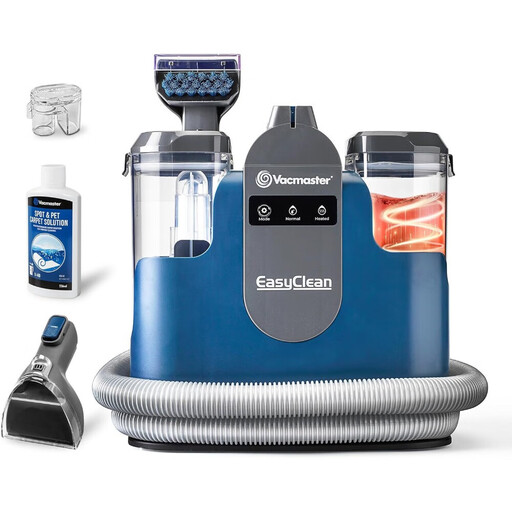
Why this product suits this profile: This washing vacuum cleaner has separate water tanks and two cleaning modes for regular dirt and tougher marks that the appliance is designed to handle.
The separate tanks prevent you from working with water that is already dirty. The heating function should only be used in accordance with the instructions and after confirming that the material is suitable.
500-W motor, 1,6-litre clean-water tank, 0,95-litre dirty-water tank and 180-cm hose according to the product data.

Why this product suits this profile: The combination of two tanks, a hose and a long cable is suitable for cleaning several textile surfaces, sofas, mattresses and car seats without frequently changing sockets.
The actual tank capacities and stated reach help you assess marketing claims about endurance against specific product data.
1,5-litre clean-water tank, 0,8-litre dirty-water tank, stated suction power of 15 kPa and a 3-in-1 system.
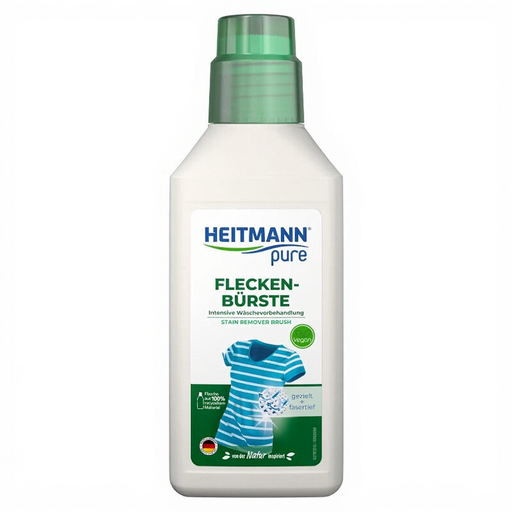
Why this product suits this profile: The integrated soft brush is designed for pre-treating individual marks on suitable textiles, such as collars, cuffs or small areas of dirt.
It is intended for use on small areas. This means you do not need to buy a large upholstery cleaner when you only want to treat individual marks occasionally.
250 ml contents, soft brush head and, according to the product description, no bleach, colourants, fragrances or microplastics. Not intended for wool or silk.
We have put together a complete, regularly updated list of products that fully meet these strict selection criteria and the safety regulations applicable in the EU.
When dealing with pet marks, it is best to act quickly. A pet stain remover can be a suitable addition for small areas. For larger or recurring marks, a carpet washer or washing vacuum cleaner with separate tanks is a better choice.
A carpet cleaner often refers to an appliance for wet-cleaning carpets and textiles. A washing vacuum cleaner usually describes a combination of spraying on a cleaning solution and vacuuming up the dirty water. Check the exact features by looking at the tank capacity, nozzles and suction power.
This depends on your household, the material and the level of soiling. Spot treatment is sufficient for individual marks. Full wet cleaning should only be carried out if the cover is suitable for it. Excessive moisture can extend drying times and place additional strain on sensitive materials.
Running costs consist of electricity, water and, where applicable, cleaning solution. Appliances with a heating function may have higher power consumption. For a realistic estimate, check the wattage, tank capacity and the recommended dosage of the cleaning product.