
Lieferung heute & morgen

Qualitätsgarantie

Willkommens-Angebote freischalten: KOSTENLOSE Lieferung | Bis zu 80 % RABATT | Kostenlose 30-Tage-JoyPlus-Testphase
App herunterladen
Spilt drinks on the carpet, pet stains on the sofa or dirt on car seats can all be tackled with the right carpet and upholstery cleaner. For flats, family homes and pet owners, compact machines are often more practical than large cleaning machines. However, portable carpet cleaners vary considerably in suction power, tank design, reach and maintenance requirements.
If you focus only on a high wattage or an eye-catching marketing term, you could end up buying a machine that’s awkward to use day to day or leaves fabrics too wet. The following criteria will help you choose the right upholstery cleaner, stain remover or carpet washer for your needs.
A high motor power rating in watts describes the machine’s electricity consumption in the first instance. The stated suction power in kPa is also relevant when it comes to collecting dirty water. You should consider both figures together. A carpet washer with a high wattage but unclear water collection performance isn’t automatically suitable for deep-down dirt in fabrics.
A small spot cleaner takes up little storage space, but may have a small dirty water tank or a short power cable. This can mean frequent interruptions when cleaning larger sofas, stairs or car interiors. That’s why details such as tank capacity, hose length and power cable length matter more than a general claim of ‘compact design’.
Carpets, upholstery and mattresses are made from different fibres and dyes. Not every material can be treated with water or cleaning products. Before use, test on an inconspicuous area to see whether the colour or surface changes. Delicate materials such as silk, certain types of velvet or upholstery that isn’t suitable for wet cleaning will need a different approach.
A machine with spray, brush and suction functions applies cleaning solution to the fabric, loosens dirt mechanically and then removes the liquid. This combination is often described as 3-in-1 cleaning. A compact spot cleaner is enough for individual stains, while a carpet washer with a larger tank may be more practical for several seats or larger carpeted areas.
The kPa figure should be treated as a technical point of comparison, not a guarantee of a particular cleaning result. The nozzle, brush shape, distance from the surface and correct use also make a difference.
A dual-tank system keeps clean water and dirty water separate. This means you won’t continue cleaning with liquid that has already been extracted from the upholstery. For regular cleaning of sofas, carpets, car seats or pet areas, removable tanks are useful because they’re easier to empty and rinse out.
Pay attention to the fill marks for each tank. An overfilled dirty water tank can affect how the machine works. After use, open the tanks, hose and cleaning head, and allow them to dry completely.
A long cable and flexible hose make it easier to clean stairs, corners and car interiors. With a corded machine, there’s also no need to charge a battery. However, you will need a power socket. Weight is a consideration if you’ll be carrying the machine between floors or holding it for a long time.
Noise levels are worth considering too. A model rated at 80 dB will be clearly audible while in use, so it’s better suited to times when you’re less likely to disturb neighbours or other members of your household.
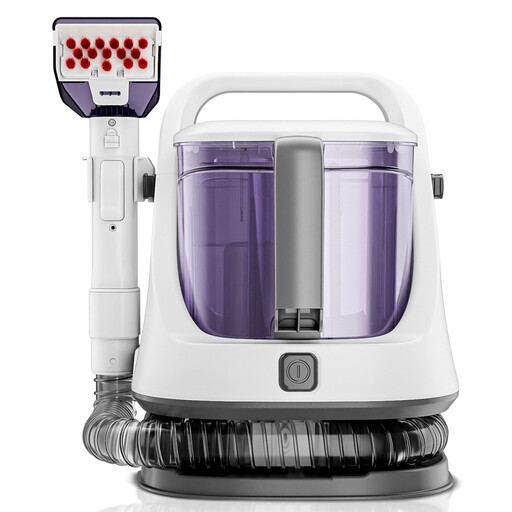
Why this product suits this profile: This corded machine is suitable for occasional stains on sofas, stairs, carpets and car seats. Its 1,400 ml clean water tank and 1,200 ml dirty water tank mean less frequent refilling.
The separate tanks and clear specifications of 650 W, 12 kPa, a 1.1 m hose and a 3 m cable make it easy to understand what the machine offers.
Compact design, separate water tanks and versatile use on washable fabrics.
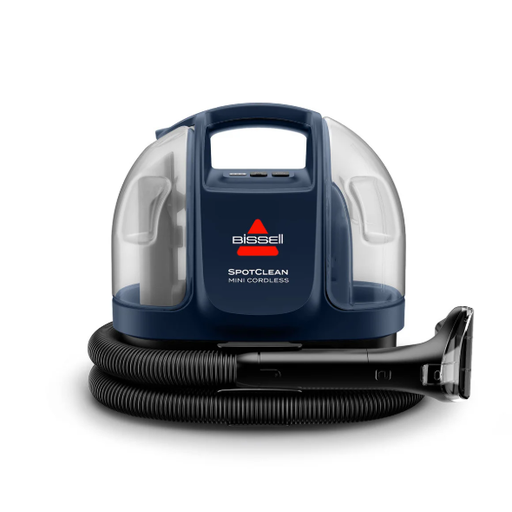
Why this product suits this profile: This compact model is designed for upholstery, stairs, small carpeted areas and car interiors. Its spray, brush and suction functions provide a clearly defined cleaning process.
Its small size makes it easy to store, while still being suitable for more than just one type of stain.
Compact dimensions, a low stated weight of around 4.1 kg and suitability for hard-to-reach areas.

Why this product suits this profile: With 600 W and 17 kPa, this machine is designed for frequent spot cleaning on sofas, carpets, car seats and pet areas.
The stated suction power is clearly presented alongside the wet-cleaning method and dual-tank system.
Handy size, stated suction power of 17 kPa and separate clean and dirty water tanks.
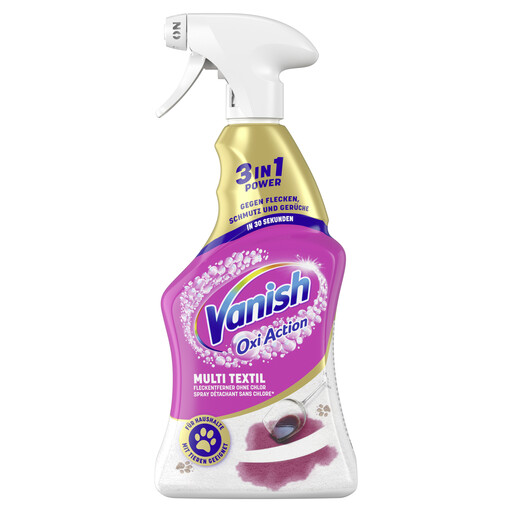
Why this product suits this profile: This spray is suitable for pre-treating individual stains on various fabrics and carpets when you don’t need a wet cleaner.
The instructions specifically call for testing on an inconspicuous area and exclude silk and certain delicate materials.
660 ml spray bottle for treating individual stains without an electrical appliance.
Before wet cleaning, vacuum up loose dirt and check the care label for the material. Only use water and cleaning products that the instructions say are suitable for the machine and fabric in question. Using too much cleaning solution can extend drying time and leave residue behind.
Running costs mainly include electricity, cleaning products and water. A corded carpet cleaner doesn’t need to be charged, but it will use electricity continuously during prolonged use. With spray products, on the other hand, you’ll incur a cost each time you use them. After each use, clean the dirty water tank, filter and nozzle. This helps reduce build-up and prevent unpleasant odours inside the machine.
We’ve put together a complete, regularly updated list of products that meet these strict selection criteria and fully comply with the safety regulations in force in the EU.
Drying time depends on the density of the fibres, how much water has been applied, room temperature and air circulation. Use short bursts of spray and extract the dirty water thoroughly. Ventilate the room and don’t walk on the area again until it’s completely dry.
Yes, as long as the upholstery is suitable for wet cleaning. Test a hidden area first, avoid soaking it and make sure no liquid gets into electrical components or seat mechanisms. Leather and delicate specialist upholstery have different care requirements.
Gently blot fresh stains first and avoid rubbing them deep into the fibres. You can then use a suitable stain remover or carpet and upholstery cleaner. Material compatibility, dosage and thorough drying are all important. Older or particularly smelly stains may need to be treated more than once.