
Lieferung heute & morgen

Qualitätsgarantie

Willkommens-Angebote freischalten: KOSTENLOSE Lieferung | Bis zu 80 % RABATT | Kostenlose 30-Tage-JoyPlus-Testphase
App herunterladen
A carpet washer can lift spilt drinks, pet mess and dried-in everyday dirt from carpets, sofas and car seats. However, models vary considerably in tank capacity, reach, suction power and maintenance requirements. If you focus only on a high wattage or kPa rating, you could overlook important details.
This buying guide explains which features are practical for UK homes and which models suit different needs.
Motor power in watts describes electrical consumption, or the power drawn, rather than suction performance alone. Airflow, seals, nozzle design and the hose also affect how effectively dirty water is collected. A rating such as 12 or 15 kPa can be a useful guide, but figures aren’t always directly comparable between different manufacturers.
A compact upholstery cleaner is easy to store. However, small clean water tanks need refilling more often when you’re cleaning larger carpeted areas. It’s also important to have separate clean and dirty water tanks. Otherwise, the collected water could mix with the cleaning solution again.
Hot water, steam and heating functions sound versatile, but they can’t be used indiscriminately on every carpet, sofa or car seat. Check the textile’s care label before use. Delicate materials, non-colourfast fabrics and upholstery that is sensitive to water may be damaged by moisture or heat.
A good carpet washer combines three steps:
This spray extraction method is suitable for many hard-wearing textiles that can be cleaned with water. For individual stains, a handy spot cleaner with a short nozzle may be enough. If you plan to clean large carpets, stairs or several rooms, also check the hose length, power cord length and nozzle size.
With a carpet washer with a water tank, the tanks should be removable and easy to rinse out. As a practical guide:
After each use, empty, rinse and dry both tanks completely. The hose, nozzle and filter also need looking after. Models with a self-cleaning attachment can reduce maintenance, but you’ll still need to dry any removable parts.
For sofas, stairs and car seats, a portable model with a flexible hose is often more practical than a large wet vacuum cleaner. A cordless model gives you more freedom to move around, but needs charging and has a limited run time. Corded models are better for longer jobs, but you’ll need a nearby socket.
Check the details for 220–240 volts, cable length, weight and dimensions. A CE marking is relevant for many electrical appliances sold in the EU, but it isn’t an independent quality assessment. The manufacturer’s safety and operating instructions still apply.
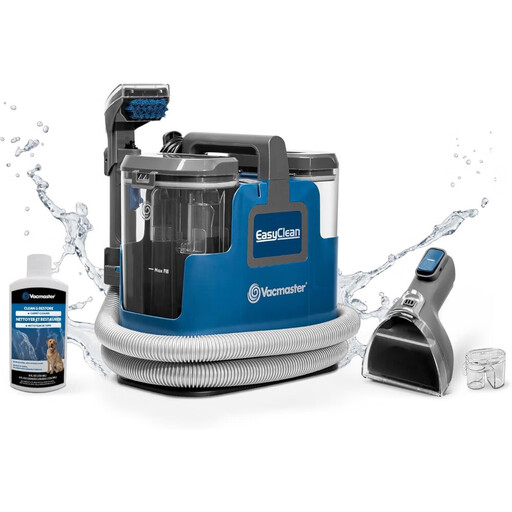
Why it suits this type of user: Weighing just 3.4 kg, this model is designed for spot cleaning carpets, sofas, stairs and car seats. Its 1.8 m hose makes it easier to clean hard-to-reach areas.
The separate tank design keeps clean and dirty water apart. Both tanks can be removed for filling and emptying.
500 W motor, 0.8-litre tank and compact body for spot cleaning.
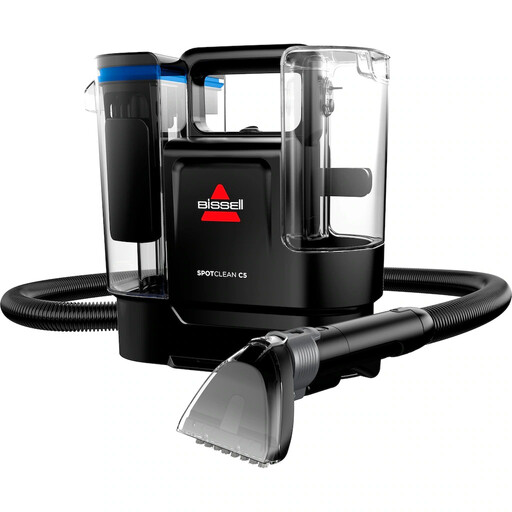
Why it suits this type of user: This compact carpet washer is designed for carpets, upholstery, stairs and car interiors. Its built-in 1.7 m hose and HydroRinse accessory help you clean the machine afterwards.
The specifications list separate 0.9- and 0.8-litre tanks, as well as a tool for flushing the hose. This covers the key maintenance steps.
Stated suction power of more than 15 kPa, 4.3 m power cord and 10 cm brush attachment.
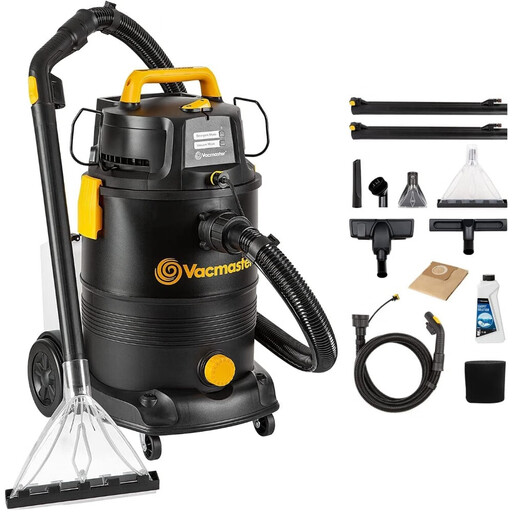
Why it suits this type of user: The 30-litre collection tank and 6-litre cleaning solution tank are designed for bigger jobs, such as cleaning several carpets, upholstered furniture sets, vehicle interiors or workshop floors.
Separate filters for dry and wet use make it clear which setup is needed for each job. Before switching modes, adjust the filter and operating mode as instructed.
1300 W motor, 30-litre collection tank, HEPA exhaust filter for dry use and a range of attachments.

Why it suits this type of user: This cordless model is ideal for car seats, stairs and hard-to-reach spots where a power cord could get in the way. Its stated run time is up to 55 minutes.
The battery run time and tank capacities are clearly stated. Before tackling larger areas, check that the battery is charged and the 1.6-litre clean water tank is large enough.
Stated suction power of 15 kPa, 24 V lithium battery, 1.6-litre clean water tank and hose-cleaning attachment.
We’ve put together a complete, regularly updated list of products that meet these strict selection criteria and fully comply with the safety regulations in force in the EU.
When cleaning car seats, make sure the vehicle is well ventilated during and after cleaning. Don’t soak electrical seat components, controls or delicate seams.
A carpet cleaner, or spray extraction cleaner, sprays water or cleaning solution onto a surface and then vacuums it back up. A conventional wet vacuum picks up liquids, but may not have a spray function or a suitable upholstery nozzle. For carpets, sofas and car seats, the attachments and features matter more than the product name.
Drying time depends on the material, the amount of liquid used, room temperature, humidity and suction power. Good ventilation and slow vacuuming can help reduce residual moisture. Don’t use carpets or upholstery intensively again until they’re completely dry.
As well as electricity, you’ll need to budget for cleaning concentrate, filters and replacement nozzles if required. Cordless models also need a charged battery, and battery care may be important if you use the cleaner frequently. Separate tanks and easy-to-reach, washable parts make regular maintenance easier and can help avoid wasting cleaning solution.