
Lieferung heute & morgen

Qualitätsgarantie

Willkommens-Angebote freischalten: KOSTENLOSE Lieferung | Bis zu 80 % RABATT | Kostenlose 30-Tage-JoyPlus-Testphase
App herunterladen
Stains on the sofa, pet hair in the carpet or spilled drinks on the car seat can only be partly removed with an ordinary dry vacuum cleaner. A carpet and upholstery cleaner sprays water or cleaning solution onto the fabric, then vacuums up the loosened dirt. To make sure it’s genuinely useful for everyday cleaning, though, don’t focus solely on high wattage or Pascal figures.
Figures such as 12,000 or 13,500 Pa are simply technical performance ratings. What matters is how well the spray, brush and suction work together. If too much liquid is applied or it’s not vacuumed up quickly enough, the carpet can stay damp for a long time. This can be a problem with delicate materials, carpets with glued backings or poorly ventilated rooms.
A traditional wet vacuum cleaner can pick up liquid, but it isn’t necessarily designed to clean upholstery. A carpet cleaner, on the other hand, usually has a clean water tank, a dirty water tank, a spray function and an upholstery nozzle. If you’re specifically looking for a carpet cleaner for your sofa, carpet or car upholstery, check the product specifications for these features.
After every use, the dirty water tank, nozzle and hose need to be rinsed and dried thoroughly. A machine without easily accessible parts can become impractical for everyday use. Self-cleaning functions reduce the work involved, but you’ll still need to empty and dry the tanks.
For a deep carpet clean, the machine should apply liquid precisely, then pick it up again in a slow, steady pass. Separate tanks prevent clean and dirty water from mixing. For delicate upholstery, use a lower suction setting or apply less cleaning solution.
A larger clean water tank is useful for several seats or larger carpets, but it often makes the machine heavier. Smaller tanks make a portable carpet cleaner easier to handle, but you’ll need to refill them more often. Also check the maximum fill line on the dirty water tank. After cleaning, make sure the fabric is well ventilated.
A narrow upholstery nozzle is handy for sofa seams, stairs and car seats. A longer hose makes it easier to clean hard-to-reach areas. The UWANT B100-E, for example, is listed with a 1.5 m flexible hose, a 5 m power cable and a stated working diameter of 13 m. Always consider figures like these in relation to the size of the room and the position of your sockets.
Before use, check whether the manufacturer recommends the machine for the fabric in question. Test the cleaning solution on an inconspicuous area first. Carpet cleaners are generally designed for low-foaming cleaning products. Ordinary hand soap can create too much foam and affect how the machine works. Dry vacuum cleaners, such as traditional bagged models, must never be used to pick up liquids.
The selection below groups machines by specific uses and the product details provided. A carpet cleaner for wet stains isn’t automatically the right choice for mattress dust or pet hair.
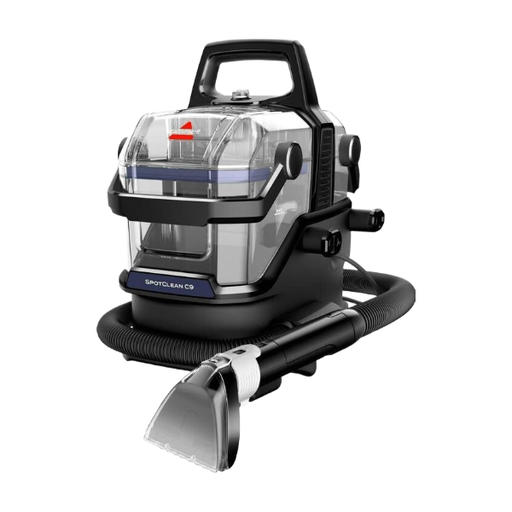
Why this product suits these needs: This compact machine is designed for individual stains, upholstery, carpets and hard-to-reach areas. Its 1.9-litre clean water tank and 1.4-litre dirty water tank are suitable for typical household cleaning tasks.
The two-tank system keeps clean and dirty water separate, so you don’t have to rely on a wet vacuum without a spray function.
400-watt motor, compact design and separate tanks with capacities of 1.9 and 1.4 litres.

Why this product suits these needs: Two suction settings let you adjust the machine for light dirt or more heavily used fabrics. That’s useful for homes with carpets, a sofa and a variety of upholstery fabrics.
The stated spray and suction combination, along with the self-cleaning internal pipework, helps tackle leftover liquid and reduce maintenance.
450 W, 8,000 or 12,000 Pa, a 1.8-litre clean water tank and an automatically retractable 5 m cable.
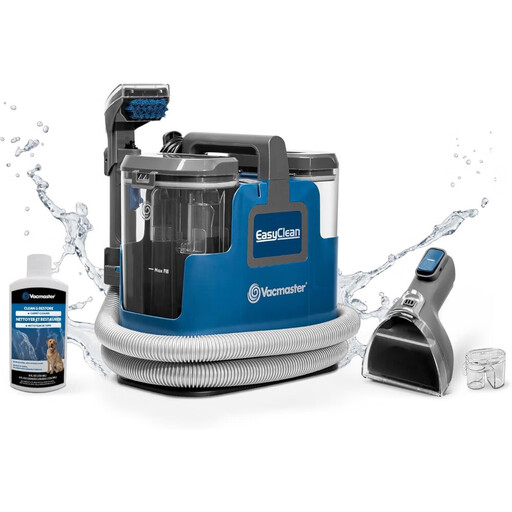
Why this product suits these needs: The 500-watt motor, 1.8 m hose and separate water tanks make this machine well suited to regular cleaning of sofas, carpets, stairs and car seats.
The recommended cleaning solution and separate tanks help avoid makeshift cleaning products and prevent clean water from mixing with used water.
500 W, 17 kPa according to the product specifications, a dual-tank system and an included Spot & Pet cleaning solution.
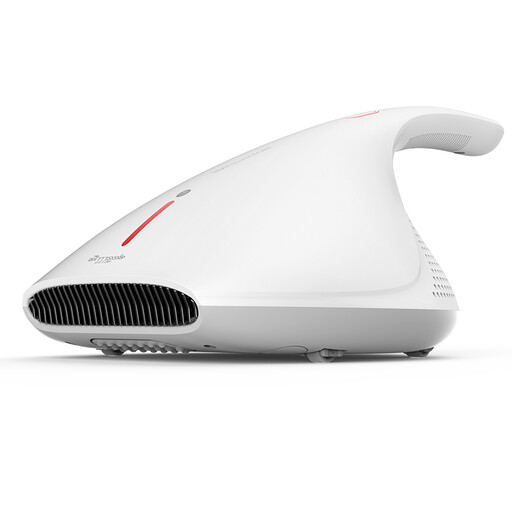
Why this product suits these needs: This is a dry mattress cleaner for beds, sofas and carpets. It’s designed for people who want to pick up dust, hair and loose particles without applying water to fabrics.
It’s clearly identified as a dry-cleaning machine, so it won’t be mistaken for a carpet cleaner. A separate spray-extraction machine is needed for wet stains.
13 kPa according to the product specifications, 8,000 tapping movements per minute, 50-degree warm air and two-layer HEPA filtration.
We’ve put together a complete, regularly updated list of products that meet these strict selection criteria and fully comply with the safety regulations in force in the EU.
For cleaning car upholstery, compact machines with a hose and narrow nozzle are a good choice. If your main aim is to remove pet hair, you’ll often need a suitable brush or a dry vacuum attachment instead. A carpet cleaner loosens stubborn stains, but it won’t always replace mechanical hair removal.
It depends on the material, the amount of water used, the room temperature and ventilation. Thin upholstery can dry faster than dense carpets. Using less spray, vacuuming thoroughly and airing the room regularly will help reduce drying time. Don’t use the fabric again until it’s completely dry.
For the occasional spill, spot cleaning is enough. How often you clean a larger area depends on how heavily it’s used, how dirty it is and the material. Homes with pets or children may need to clean more often when there’s visible dirt, but always follow the care instructions for the fabric in question.
Consumption depends on the motor power, how long the machine runs and how much it sprays. For a quick spot clean, models rated at 400 to 500 watts will generally use less electricity than for a long, full clean. The key is to fill the machine with only as much water as you need and avoid leaving it running unnecessarily.