
Lieferung heute & morgen

Qualitätsgarantie

Willkommens-Angebote freischalten: KOSTENLOSE Lieferung | Bis zu 80 % RABATT | Kostenlose 30-Tage-JoyPlus-Testphase
App herunterladen
Introducing solid foods is a major milestone for both parents and their baby. Carrot baby food is an especially popular choice, as carrots are mild, easy to digest, and naturally sweet. However, the range of carrot baby food jars is vast, and labels can be confusing. As your Joybuy Product Recommendation Officer, I'm here to help you identify the key criteria and avoid common purchasing traps, so you can make an informed decision for your child.
Many parents feel overwhelmed by marketing claims. Here are two common pitfalls to watch out for:
To ensure you choose the right product, you should check three core aspects. These will help you objectively assess the quality of a carrot purée for your baby.
A short, easy-to-understand ingredients list is usually a good sign. The first ingredient listed makes up the largest portion of the product by weight.
The food's texture should be adapted to your child's developmental stage. This is crucial for acceptance and for learning how to chew.
The "organic" label is an important quality mark. In Germany, you'll primarily encounter the EU organic logo (the green leaf). It guarantees, among other things, that no synthetic chemical pesticides or genetic engineering were used. Some manufacturers go even further, having their products certified under stricter standards like Demeter or Bioland, which impose higher requirements for animal welfare and sustainable, circular farming.
Based on these objective criteria, we have selected a few products from our range to suit different requirements.
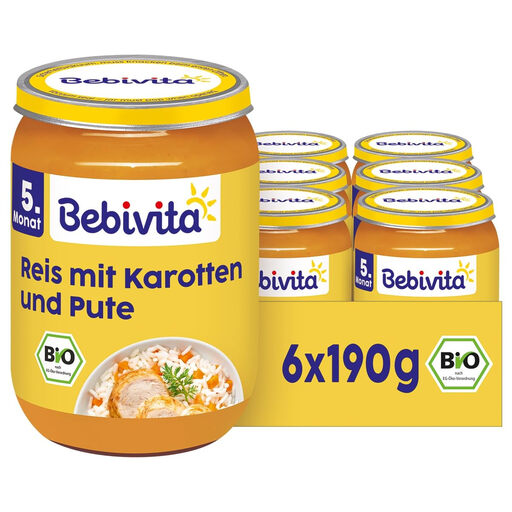
Why This Fits Their Persona: Ideal for parents starting the weaning process who want reliable organic quality at an accessible price. The finely puréed texture is perfect for those first spoonfuls.
The "from 5 months" age recommendation matches the finely puréed texture, minimising the risk of overwhelming the baby. It explicitly states that no salt has been added.
EU organic certified; contains rapeseed oil as a source of omega-3 fatty acids; mild flavour with no added flavourings.
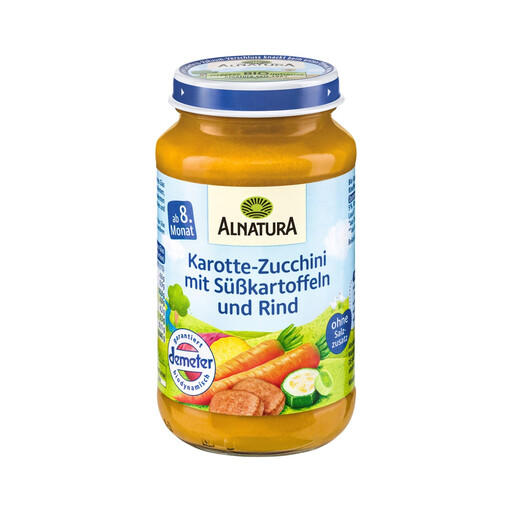
Why This Fits Their Persona: For parents who place the highest value on ecological standards and want to support biodynamic agriculture. The ingredients are predominantly from Demeter-certified farms.
This product avoids the trap of vague organic labels by explicitly highlighting its Demeter quality. The ingredients list is transparent and free from added salt.
High proportion of ingredients from biodynamic farming (Demeter); finely chopped to encourage chewing; contains rapeseed oil.
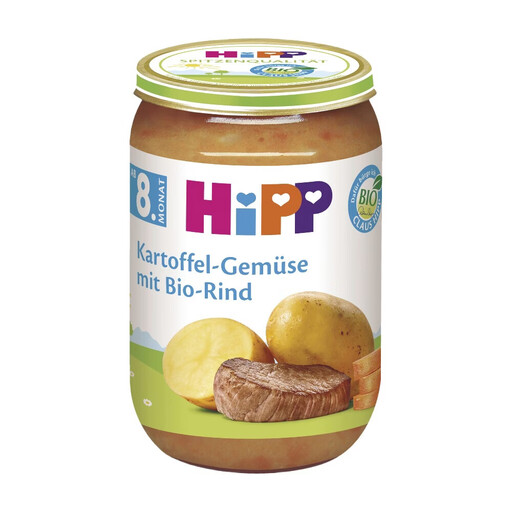
Why This Fits Their Persona: Perfect for parents whose baby is ready for the next step after smooth purées. The small, soft lumps are specifically designed to support the transition to more solid food.
This meal solves the problem of inappropriate texture by explicitly containing "soft lumps for learning to chew" and being clearly positioned for babies from 8 months.
Promotes oral motor skills; no added salt or dairy products; contains omega-3 fatty acids from organic rapeseed oil.
We have compiled a complete, up-to-date list of products that fully meet these strict selection criteria and German regulations.
The general recommendation is to start introducing solid foods sometime between the beginning of the 5th and the end of the 6th month. Carrot is a classic first vegetable due to its mild taste and how well it's tolerated. Watch for your baby's signs of readiness, such as being able to hold their head up independently and showing interest in food.
Check three things on the label: the ingredients list (short and understandable), the nutrition facts (low in salt and sugar), and the organic certification (at least the EU organic logo). The texture should match the age recommendation (puréed for beginners, lumpy for more advanced eaters).
Yes, this is possible and is known as carotenemia. Carrots contain a lot of beta-carotene, a precursor to vitamin A. If a baby consumes more than their body can process, the excess is stored in the skin. This can lead to a harmless, temporary orange-yellow tint, often visible on the nose and palms. It is medically harmless. A varied diet with different types of vegetables will prevent this.