Hosts serving several glasses
You want to process carrots quickly and avoid having to keep emptying the juice or pulp container while serving.


If you want to juice carrots quickly for several guests, start by looking for a centrifugal juicer explicitly rated for carrots, then compare the juice jug, pulp container and cleaning requirements. A slow juicer may suit you better if you prefer the pressing method or want different strainers. Check whether a specific model can handle hard carrots before you buy.
You want to process carrots quickly and avoid having to keep emptying the juice or pulp container while serving.
You want to know how a specific machine handles hard carrots, rather than relying solely on general claims about its design or motor power.
You want to work out how much preparation, dismantling and cleaning will be involved before your guests arrive.
Prioritise what matters most to you: how it handles carrots, how much juice you need to serve, the work involved, or its size and noise level.
| Priority | What to look for | Who is it important to? |
|---|---|---|
| Handling carrots | Check the manual or manufacturer’s description to confirm the juicer is designed for carrots. If available, compare results from a test of the specific model. | If I mainly juice carrots, I want to know whether the machine is designed for them. Around 36% of consumers put carrot processing first. |
| Serving several glasses | Compare the juice jug and pulp container separately, and take glass size and the quantity you plan to make into account. | If I want to serve several glasses without constantly pouring juice into another container or emptying the pulp container, the workflow matters to me. Around 29% of consumers prioritise serving guests. |
| Preparation and cleaning | Check the feed chute, cleaning brush and removable parts. For dishwasher-safe parts, check the specific details for the appliance. | If I want to keep the work before and after guests arrive to a minimum, I look at preparation and cleaning. Around 21% of consumers prioritise ease of use. |
| Space and noise | Check the appliance’s footprint and height against the space available. Only consider noise ratings for the specific model. | If worktop space is limited or I want to keep conversations going while the machine is running, its size and noise level matter to me. Around 14% of consumers prioritise one of these considerations. |
A good choice if: You want to prepare carrots quickly for several guests. The Severin ES 3570 explicitly lists carrots as a suitable ingredient.
Things to consider: The feed chute, containers, noise level and cleaning requirements vary by model. A wide feed chute doesn’t mean you can skip the preparation instructions.
A good choice if: You’re happy to take more time over preparation or want different strainers. For example, the Severin ES 3571 is available with two strainer inserts.
Things to consider: ETM TESTMAGAZIN describes slow juicers as slower than centrifugal juicers. A hands-on test of the Severin ES 3571 by DAS HAUS on 9 February 2023 reported difficulties with hard foods.
Motor power alone doesn’t tell you how much juice you’ll get from carrots or whether the machine will handle hard ingredients without problems.
Compare the manufacturer’s guidance on suitable ingredients with test results for the specific model you’re considering.
A jug’s capacity tells you how much it can hold, not how much juice you’ll get from a given quantity of carrots.
Plan how many glasses you’ll serve and whether you might need to stop to empty a container, based on the container sizes. Assess juice yield separately.
Marketing claims about preserving nutrients aren’t independent proof of an advantage when making carrot juice. When you’re serving guests, the speed, how well the specific model handles carrots and how easy it is to clean matter too.
Keep manufacturer claims separate from independent test results, and choose the option that best suits the way you want to prepare your juice.
The ES 3570 and ES 3571 are different types of juicer, so it’s worth comparing them separately.
The Kult X is a centrifugal juicer with separate juice and pulp containers, which may be useful when serving several glasses.
The NBJ100G is a centrifugal juicer with a wide feed chute and an 800-ml juice jug.
The HR1921/20 is a centrifugal juicer with a drip-stop feature.
The H320N is a slow-juicer alternative with a large feed hopper and a strainer filter.
Here you’ll find centrifugal and slow juicers for fruit and vegetables. If a model doesn’t explicitly mention carrots, check the manual for that specific appliance.
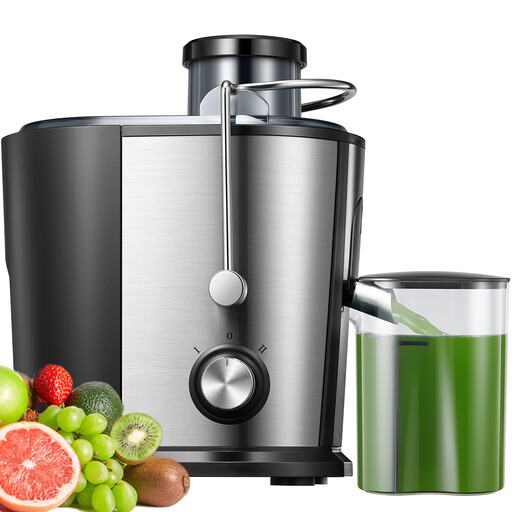 No image available
The product description explicitly lists carrots as a suitable ingredient. Check the juice jug and pulp container against the number of glasses you plan to serve.
Specifications in the product name: 65-mm feed chute, two speed settings and 600 W. Also listed: anti-drip system and non-slip feet.
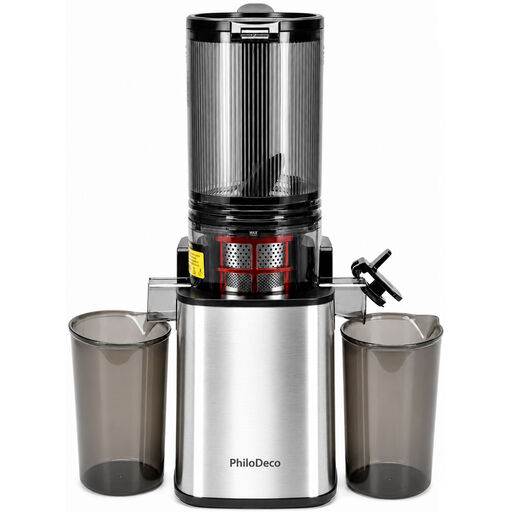 No image available
Described as a slow juicer for fruit and vegetables. Check the manual to see whether this model is designed for carrots; ETM TESTMAGAZIN describes slow juicers as slower than centrifugal juicers.
Specifications in the product name: 110-mm opening, 40 Nm, dual filter and reverse rotation.
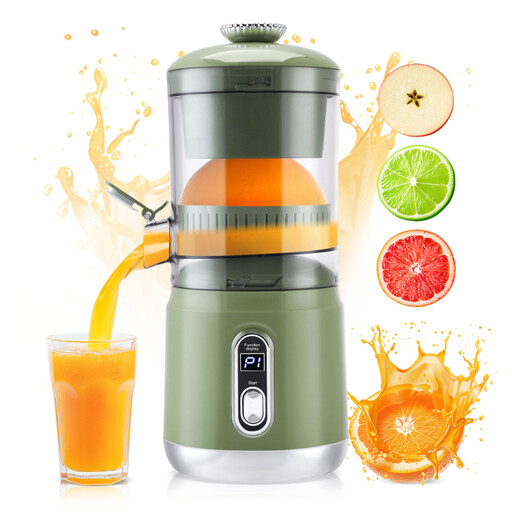 No image available
The product description mentions hard beetroot and firm apples. Check the manual for the specific model before using it to process carrots; according to ETM TESTMAGAZIN, slow juicers work more slowly than centrifugal juicers.
The model is described as having three speed settings and a removable system.
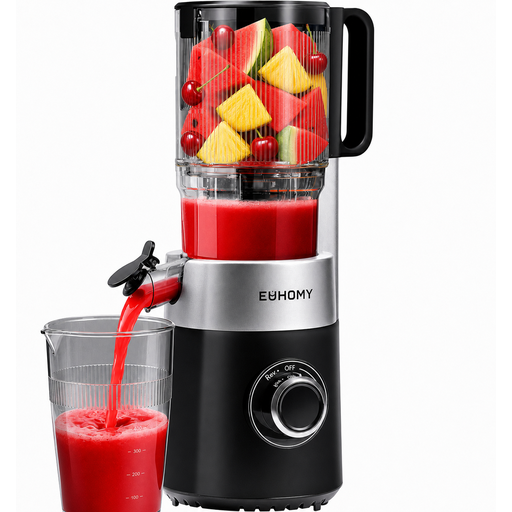 No image available
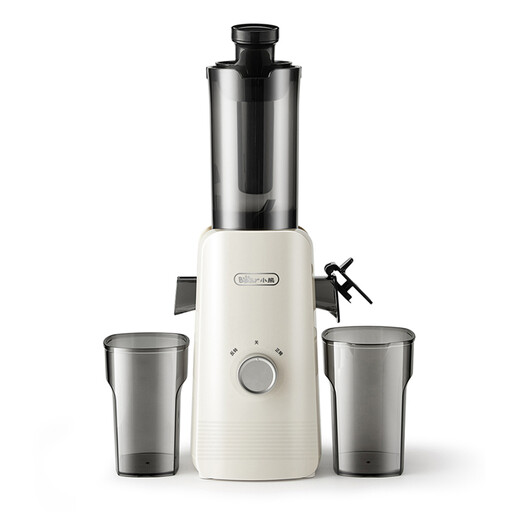
Described as a cold press juicer for fruit and vegetables. Before choosing it, check whether the manual recommends using this model for carrots.
Specifications in the product name: 135-mm feed chute and 1.8-litre capacity. A stainless-steel construction and two glasses are also mentioned.
 No image available
Described as a slow juicer for fruit and vegetables. Check the manual to see whether this model is suitable for carrots; ETM TESTMAGAZIN describes slow juicers as slower than centrifugal juicers.
Specifications in the product name: 1 litre and an 80-mm opening. The listed accessories include a juice cup and cleaning brush.
Wash the carrots and check the manual for the recommended piece size. For the ES 3571, Severin recommends cutting ingredients to fit the feed chute and using only the pusher to press them down.
The German Federal Institute for Risk Assessment recommends washing raw produce thoroughly with drinking water. Take particular care when serving raw foods to guests who may be more vulnerable. Dismantle and clean the juice path and strainer according to the appliance instructions; dishwasher suitability for individual parts doesn’t automatically apply to the whole appliance.
If goods are faulty, you may have legal rights against the seller, subject to the statutory conditions. These include the right to have the goods repaired or replaced in the first instance. Under Section 438 of the German Civil Code (BGB), the standard limitation period for such movable goods is two years from delivery. A voluntary manufacturer’s guarantee is separate from these rights.
No. For affected electrical appliances, the manufacturer uses the CE mark to declare that the product meets the relevant EU requirements. According to Your Europe, the European Union’s information portal, no central EU body issues a blanket certificate for this. The mark is not proof of a particular juice yield or an independent safety test.