Team with a quiet office kitchen
When colleagues are working within earshot, a noise level that suits the location is often more important than the shortest preparation time.


For carrots in a shared office, a slow juicer is a better fit if people will carry on working while it’s in use and there’s more time for juicing and cleaning. If you need several glasses during a short break, a centrifugal juicer may be more suitable, provided the location can accommodate its higher noise levels. You should also compare the parts that need cleaning, the space it takes up and whether the specific appliance is suitable for workplace use.
When colleagues are working within earshot, a noise level that suits the location is often more important than the shortest preparation time.
Several people share the appliance and sink, so easy-to-reach parts and a clear cleaning routine make it easier to hand over hygienically.
If you need several glasses in a short time, you’ll need to weigh up preparation speed, noise and counter space together.
| Consideration | What to check before buying | Who it matters most to |
|---|---|---|
| Noise | Check the type of juicer and, if available, comparable noise measurements for the specific model. Don’t treat marketing claims as decibel ratings. | If I’m juicing within earshot of colleagues who are working, I want to keep noise to a minimum. Around 29% of consumers prioritise a suitable noise level when buying. |
| Cleaning and handover | Check which parts can be removed, whether a brush is needed and the model-specific guidance on dishwasher use. | If several people share the appliance and sink, I want to be able to clean the sieve and contact surfaces thoroughly after each use. Around 29% of consumers put ease of cleaning first when buying a juicer. |
| Carrots and preparation speed | Check the guidance on feeding carrots into the juicer, the feed chute and the juice and pulp containers. Don’t use wattage to compare the performance of different types of juicer directly. | If we need several glasses during a short break, I want to minimise preparation time and frequent interruptions. Around 24% of consumers prioritise preparation speed when buying. |
| Counter space | Check the appliance dimensions and allow space for the feed chute, containers, controls and cleaning at the intended location. | In a small shared kitchen, I want to be able to position the appliance safely and put it away afterwards. Around 18% of consumers pay particular attention to the space an appliance needs. |
ETM TESTMAGAZIN’s comparison of juicer types describes centrifugal juicers as faster but noisier. This doesn’t tell you the exact noise level of every model or how loud it will be in a particular location.
If people work near the kitchen, compare noise figures taken under the same test conditions where possible, and take the location into account.
This only applies to the parts specified in the instructions. The sieve and pulp still need to be removed and cleaned appropriately.
Before buying, check the parts list and cleaning instructions for the specific model, and agree who will clean it after use.
If different people will be using it, the team should also allow time to clean the sieve and hand the appliance over to the next person.
The German Federal Institute for Occupational Safety and Health (BAuA) explains that a household appliance can be used in a business if it is suitable for its intended purpose and the conditions at the place of use. This is not blanket approval for a particular appliance or office.
If the employer provides the appliance as work equipment or allows it to be used, consult the relevant person or department. Section 4 of the BetrSichV requires a risk assessment and the necessary protective measures before use.
The ES 3571 slow juicer is an option for teams considering a pressing screw and a compact appliance.
The VitaJuice 3 MES3500 and VitaJuice 4 MES4010 centrifugal juicers differ in features including their feed chutes and container sizes.
The MultiJuice 5 SJ5000BK centrifugal juicer is aimed at teams looking for a wide feed chute and a larger pulp container.
The Avance HR1921/20 juicer is a centrifugal option with adjustable juice consistency and a drip-stop feature.
The REVO830 slow juicer is an option for teams considering a dedicated chute for long vegetables and a pressing screw.
The Joybuy products below are juicers, including several slow juicers for use in a shared office kitchen. Before buying, check that the feed system, cleaning requirements and space needed suit your team and the carrots you’ll be using.
 No image available
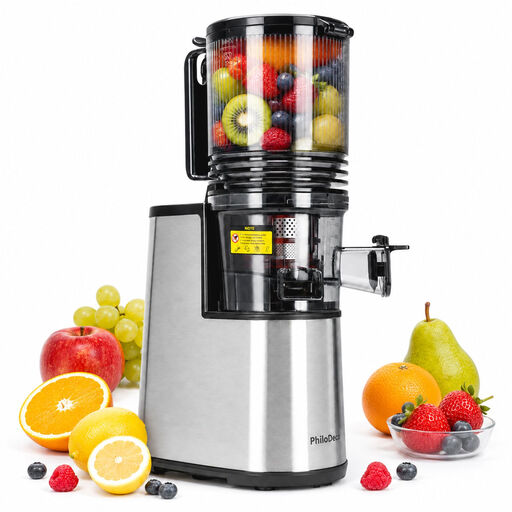
The pressing screw and reverse function are worth considering for teams looking to juice carrots with a slow juicer.
250 W; 145-mm feed chute; 1,000-ml pulp container. The product description lists removable food-contact parts.
 No image available
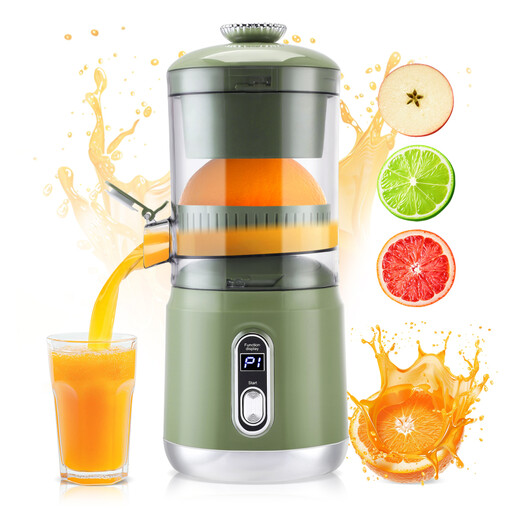
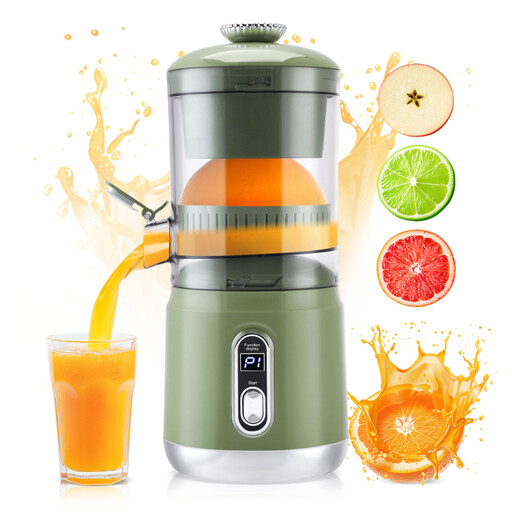
The product description says it works without a cord, which may be useful in a location without a nearby plug socket.
Spiral press separates juice from pulp; the product description lists three speed settings and a built-in battery. Before buying, check that the battery and running time suit your planned office use.
 No image available
The product description mentions slow pressing and several settings for different ingredients. Check that the feed system suits how you plan to prepare carrots.
Three speed settings; removable parts that can be rinsed under running water, according to the description.
 No image available
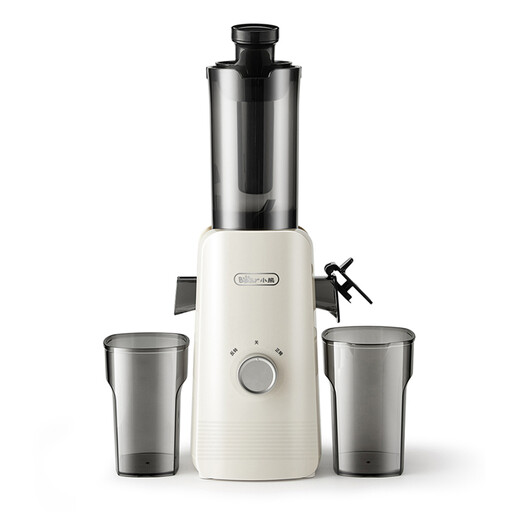
The pressing-screw design is an option for teams considering a slow juicer for carrots.
80-mm feed chute; 1-l capacity listed in the product name. The description lists three parts for assembly and cleaning, plus a cleaning brush. The stated maximum operating time is 15 minutes.
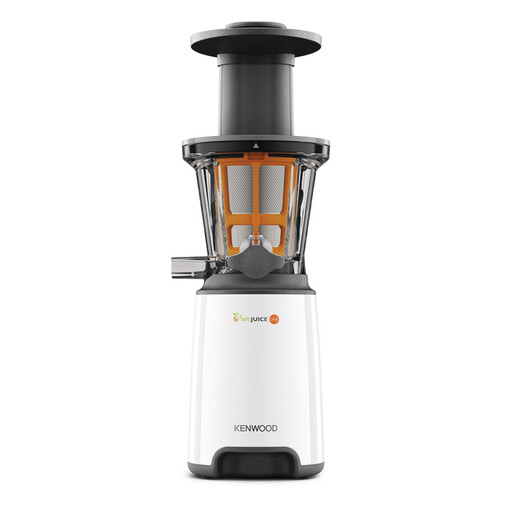 No image available
The product description lists a pressing screw and a slim design that takes up little counter space.
55 rpm; 700-ml juice jug; 1.3-l pulp container. A rinse function and cleaning brush are also listed. The instructions say to wash ingredients and cut them to a suitable size.
An appliance isn’t automatically ruled out for business use just because it’s classed as a household appliance. According to the German Federal Institute for Occupational Safety and Health (BAuA), it must be suitable for its intended purpose and the conditions at the place of use. If the employer provides it as work equipment or allows it to be used, the relevant requirements for risk assessment and safe use must be followed. This doesn’t amount to blanket approval for a particular appliance or office.
Agree on where it will go, check the manufacturer’s instructions and discuss safe use with the relevant person or department at work. For work equipment provided by the employer or made available for use, Section 4 of the BetrSichV sets out the need for a risk assessment beforehand and the necessary protective measures. The BAuA doesn’t state that you must always buy an appliance marketed exclusively for commercial use.
Wash the carrots, follow the instructions for the specific appliance on cutting and feeding them in, and clean the parts and contact surfaces after juicing. The Verbraucherzentrale recommends using clean kitchen utensils and washing your hands before and between tasks. The manufacturer also says to wash and, if necessary, chop the ingredients for the Severin ES 3571.
Check whether suitable spare parts are available, who will take care of maintenance and cleaning, and what conditions apply to the specific model. Bosch has a service page for the MES3500 that lists spare parts; Severin offers a repair service for the ES 3571. These details apply to the specific models and don’t represent a standard service commitment for other appliances.
Try to make only as much as will be drunk soon, and handle any leftover juice with care. Storage guidance for bottled fruit juice can’t automatically be applied to freshly pressed carrot juice. Prepare it hygienically and keep it properly chilled.