For one-pot soup makers
If you cook the carrots and lentils in the same pot, one after the other, look for a low setting that’s easy to control for simmering. The Federal Centre for Nutrition describes this sequence for carrot and lentil soup.


For carrot and lentil soup cooked in one pot, a suitable portable single hob is the obvious place to start. A double hob makes sense if you really need to heat two pots at the same time. Compare the lower power settings, pot size, space requirements and electrical connection. A timer can help coordinate cooking stages, but it doesn’t prove that the soup will be kept safely hot until it’s served later.
If you cook the carrots and lentils in the same pot, one after the other, look for a low setting that’s easy to control for simmering. The Federal Centre for Nutrition describes this sequence for carrot and lentil soup.
If you’re coordinating kitchen use or mealtimes, distinguish between needing to heat two pots at once and keeping a finished soup hot to serve later. For keeping food hot, the Federal Institute for Risk Assessment recommends a temperature of at least 60 °C throughout.
If you’d like to keep using your existing pot, check that it’s induction-compatible and has a flat base, then check its diameter. Manufacturers such as CASO Design and Rommelsbacher specify pot sizes and cooking zones for individual models.
A good fit if: You soften the vegetables, add liquid and then simmer the soup on the same cooking zone.
The trade-off: You can’t heat a second pot at the same time. Rommelsbacher lists the single-zone CT 2020/IN as measuring 29.5 × 36.1 cm, with a power rating of 2,000 W.
A good fit if: You genuinely need to heat two induction-compatible pots at the same time.
The trade-off: According to the manufacturer, the Rommelsbacher CT 3410/IN has two independently controlled zones, requires 60 × 36 cm of space and has a power rating of 3,400 W. So check the space and electrical connection required for the specific appliance.
| What you need | What to check when buying | Who it matters most to |
|---|---|---|
| Simmering and temperature control | Compare the lower power settings; assess the timer and power control separately. | If I soften the carrots and then gently simmer the lentils, I need easily adjustable power rather than just a high maximum setting. Around 33% of consumers say control while simmering is their top priority. |
| Coordinating cooking and mealtimes | Establish whether two pots need to be heated at the same time; check the timer and how the specific appliance switches off. | If we eat at different times, I want to distinguish between cooking two pots at once and keeping food safely hot. Around 27% of consumers prioritise coordinating their cooking and mealtimes. |
| Keeping your existing pot | Check that the pot is induction-compatible and compare the diameter of its flat base with the appliance’s permitted pot size range. | If I want to keep my soup pot, its base needs to fit the cooking zone. Around 20% of consumers put compatibility with their existing pot first. |
| Space and electrical connection | Check the appliance dimensions, power rating and available socket. Don’t plug extension leads into one another. | If the hob needs to fit in a shared kitchen and be plugged in there, space and electrical requirements matter. Around 20% of consumers prioritise these two requirements. |
A selected power setting or timer doesn’t show what temperature the soup reaches throughout. The Federal Institute for Risk Assessment recommends keeping food at a temperature of at least 60 °C throughout.
Only plan to keep food hot if you can check it. For longer storage, the Federal Institute for Risk Assessment recommends cooling hot food quickly to below 7 °C.
Different mealtimes don’t automatically mean you need to heat two pots at once. According to the manufacturer, the Rommelsbacher CT 3410/IN requires 60 × 36 cm of space and has a power rating of 3,400 W.
First, work out whether you really need a second pot on the hob at the same time. Then compare the dimensions and power rating of the models you’re considering with your kitchen’s available space and electrical connection.
The flat base of the pot and the size range specified for the appliance are important too. CASO Design gives the Touch 2000 a maximum load capacity of 6 kg, which is worth checking if you have a large, full pot.
Check the base diameter against the hob’s permitted range. If you’re using a heavy pot, also check the load capacity for the specific model.
The SIKP 2200 B1 is a portable single hob for one pot and kitchens with limited space.
The Touch 2000 is a single-zone model for one soup pot, with power settings and an adjustable timer.
The CT 2020/IN is designed for one pot, while the CT 3410/IN has two independently controlled cooking zones for heating pots at the same time.
The Everyday Slim IH2108 is a single-hob alternative with manual controls and preset cooking programmes.
The DK 1031 is a double hob for cooking routines that use two zones at the same time.
This selection features portable induction hobs for cooking with one soup pot. Check the stated pot dimensions, power settings and electrical requirements for each model.
 No image available
For cooking stages done one after another in a single pot; compare the stated power settings with what you need for simmering.
The product name lists a glass surface, touch controls and an 8-hour timer. A timer doesn’t prove that the soup will be kept safely hot throughout.
 No image available
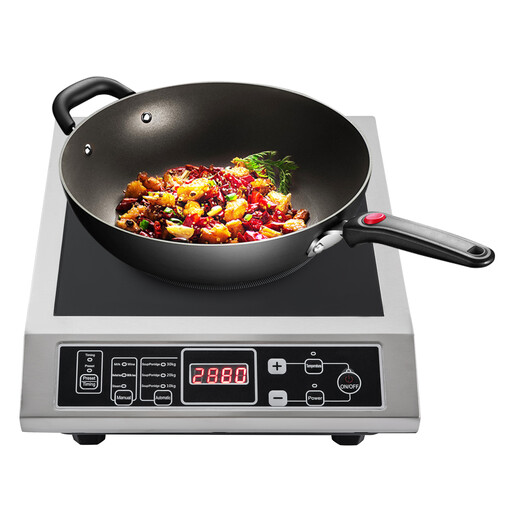
A portable hob for cooking with one pot; check whether the stated settings suit the way you cook.
The product name lists 3500W and eight temperature settings. The timer function doesn’t replace checking the food’s temperature when it’s served later.
 No image available
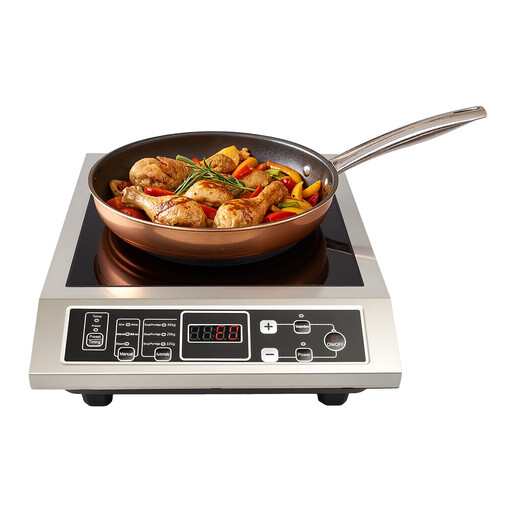
For cooking on a countertop hob; compare the power settings with what you need for frying and simmering.
The product name lists a 3H timer and a 23H preset function. Timer settings don’t prove that food reaches a particular temperature throughout.
 No image available
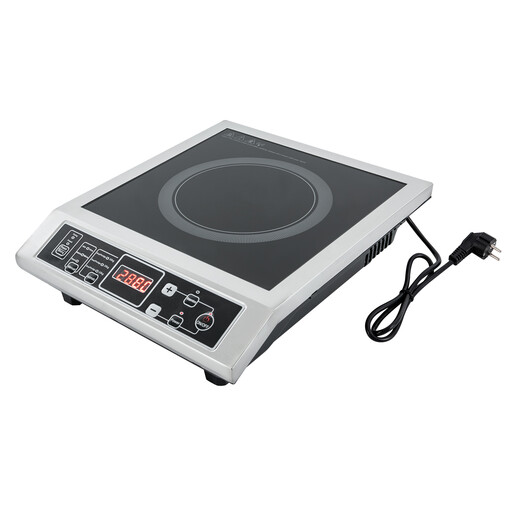
For cooking at different settings; check the stated levels and whether the controls suit the way you cook.
The product name lists a timer and preset function, as well as an EU plug. Check the electrical requirements for the specific appliance; a timer setting doesn’t prove that food will be kept safely hot.
 No image available
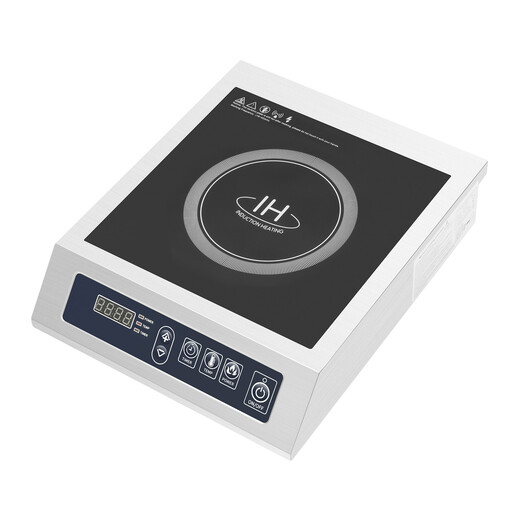
For cooking on a countertop hob; compare the stated power settings with what you need for frying and simmering.
The product name lists a 24H timer and an EU plug. Check the electrical requirements for the specific appliance; a timer doesn’t prove that the soup will be kept safely hot.
A single hob with easy-to-adjust power is an obvious place to start, provided your pot is compatible with the appliance. The Federal Centre for Nutrition describes this sequence for carrot and lentil soup; a second cooking zone is mainly useful if you want to heat another pot at the same time.
No. A timer or temperature setting doesn’t prove the temperature throughout the food. The Federal Institute for Risk Assessment recommends keeping food at a temperature of at least 60 °C throughout; for longer storage, hot food should be cooled quickly to below 7 °C.
Check the location, electrical connection and safety instructions in the manual for the specific appliance. Let the surface cool before cleaning, as it may have been heated by the hot pot.
If a consumer purchase is faulty, your statutory rights against the seller are separate from any voluntary guarantee. According to Verbraucherzentrale, online purchases generally come with a 14-day right to cancel. Check the applicable terms and when the cancellation period starts for your specific purchase.
Mains-powered appliances within the relevant low-voltage range must meet the applicable EU conformity requirements. For the specific product, check for the required CE marking and German-language operating and safety instructions. The Federal Network Agency points out that CE marking is not an independent quality seal.