Singles who prepare raw vegetable snacks
If you prepare carrot sticks in advance, you’ll need a clean, covered place to store them and reliable refrigeration. A salad drawer alone won’t keep cut sticks fresh for longer.


You don’t need a new fridge just to store a small portion of carrot sticks, as long as your existing appliance cools reliably and has room for a clean, covered container. If you do buy a fridge, choose its capacity and design to suit all your food, and only opt for a freezer compartment if you need one. The Federal Institute for Risk Assessment recommends storing perishable foods at between 2 °C and 7 °C; prepare cut sticks hygienically, keep them chilled and eat them promptly.
If you prepare carrot sticks in advance, you’ll need a clean, covered place to store them and reliable refrigeration. A salad drawer alone won’t keep cut sticks fresh for longer.
If you need to fit in your usual shopping, weigh up the floor space available against the usable fridge capacity. The Consumer Advice Centre gives 100 to 150 l as a general guide for one- or two-person households.
If you regularly store frozen food as well as fresh produce, compare the fridge and freezer capacities separately. The Consumer Advice Centre gives 100 to 150 l as a general guide for one- or two-person households; with a fridge-freezer, the total capacity is not the same as the fridge capacity.
First, check whether your existing fridge can keep the sticks safely chilled and has room for a covered container. If you’re buying a new one, choose a model to suit all your food, not just one snack portion.
The percentages below indicate the main priority for this particular buying decision and should be taken as a rough guide.
| Buying priority | What to look for | Who is this most important for? |
|---|---|---|
| Safe, hygienic storage | Make sure there’s room for a clean, covered container and check the temperature where you plan to store it. The Federal Institute for Risk Assessment recommends a temperature of between 2 °C and 7 °C for perishable foods. | If I want to store prepared sticks separately in a covered container, hygiene is my top priority. This is likely to be the most important buying priority for around 33% of consumers. |
| Space and fridge capacity | Measure the space available and allow room for the door to open; compare fridge capacity rather than the total capacity of a fridge-freezer. The Consumer Advice Centre gives 100 to 150 l as a guide for one- or two-person households. | If I want to fit in my usual shopping while making the most of my kitchen space, choosing the right size appliance matters. Space and fridge capacity are likely to be decisive for around 27% of consumers. |
| Ongoing electricity costs | Compare the stated annual energy consumption in kWh/year for suitable appliances. To estimate your own costs, multiply this figure by your electricity price per kWh. | When choosing an appliance that runs all the time, the stated annual energy consumption matters more to me than extra features. Ongoing costs are likely to be a priority for around 20% of consumers. |
| Freezer compartment | Consider how much freezer space you need and compare the fridge and freezer capacities separately. | If I want to store frozen food as well as fresh produce, I need to consider both functions. The additional freezer space is likely to be the deciding factor for around 13% of consumers. |
| Noise in your living space | Compare the stated noise levels of specific models and take the planned location into account. | If my kitchen is open-plan or the appliance will be near where I sleep, I pay particular attention to operating noise. Quiet operation is likely to be the top priority for around 7% of consumers. |
The Federal Centre for Nutrition’s guidance of around a week in the salad drawer applies to carrots; the Federal Institute for Risk Assessment points out that cut raw vegetable products are particularly perishable.
Prepare the sticks hygienically, keep them chilled and covered, and eat them promptly. Don’t use the guidance for whole carrots as a shelf life for cut sticks.
Carrot sticks usually take up very little space, while an extra appliance runs all the time.
First, check whether your existing fridge cools reliably and has room for a covered container.
Some of the interior is taken up by the freezer compartment, so it isn’t available for fresh food.
Compare the fridge and freezer capacities separately, and only choose a freezer compartment if you actually need one.
The manufacturer states that the Exquisit RKS100-V-H-160F uses 107 kWh/year and has a capacity of 94 l, while the Severin VKS 8808 uses 71 kWh/year and has a capacity of 120 l. These figures relate to two specific models and don’t support a general conclusion that smaller appliances use more electricity.
For models of a suitable size, compare their stated annual energy consumption.
The VKS 8808 is a freestanding under-counter fridge with no freezer compartment, 120 l of usable capacity and a VeggiBox.
The Rdi 1620 Plus is an under-counter fridge with a total capacity of 141 l and an EasyFresh compartment; the Rd 1401 Pure is a version with a freezer compartment.
The KTR15NWEB is a freestanding under-counter fridge with no freezer compartment and a stated fridge capacity of 134 l.
The dove-blue RKS100-V-H-160F is a slim 94-l option with no freezer compartment and a vegetable drawer.
The Joybuy models below are compact fridges for everyday use by one person. For models with a stated freezer compartment, consider its capacity separately from the fridge space.
 No image available
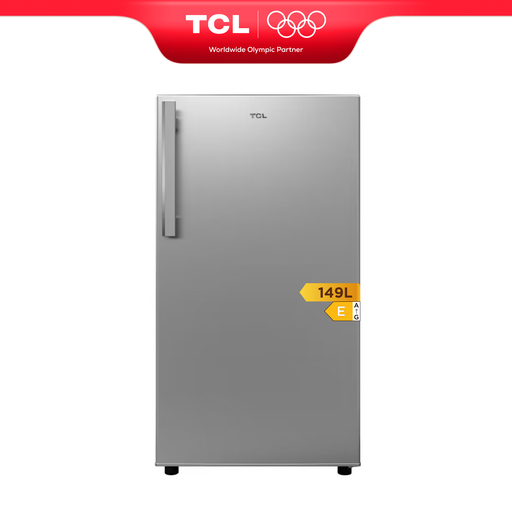
An option if you need both fridge and freezer space in one appliance.
122 l fridge capacity and 27 l freezer capacity; adjustable thermostat; energy efficiency class E.
 No image available
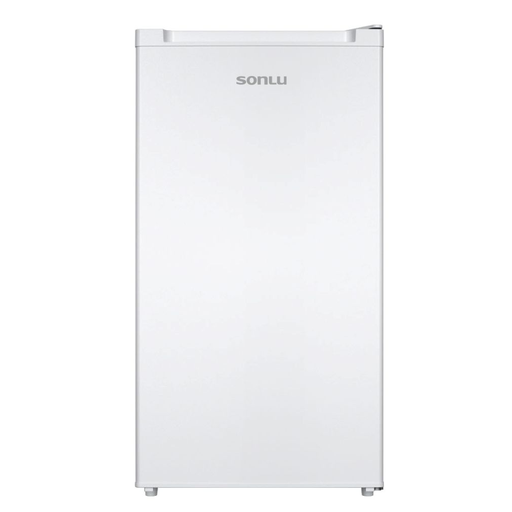
An option if you’re looking for fridge space without a freezer compartment and with a separate vegetable drawer.
82 l usable capacity; mechanical temperature control; energy efficiency class E.
 No image available
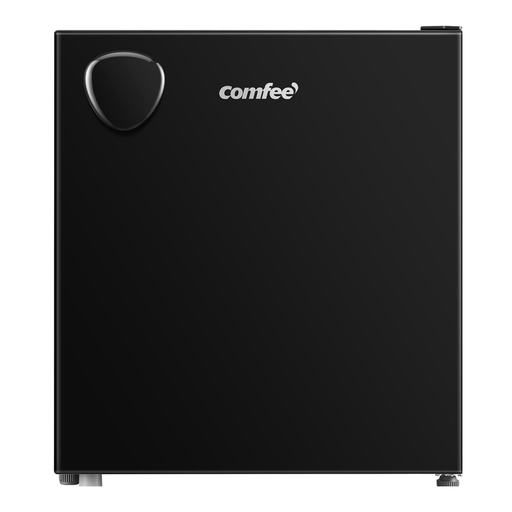
An option if you’re short on space and want a separate vegetable drawer.
43 l capacity; 44,5 cm wide; vegetable drawer; three temperature settings; 80 kWh/year; energy efficiency class E.
 No image available
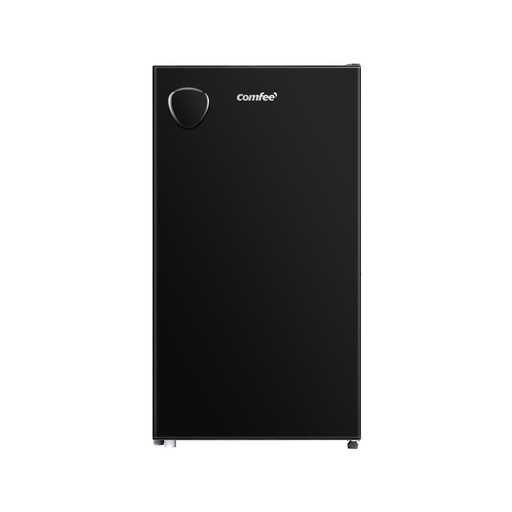
An option if you’re looking for a compact under-counter appliance with a vegetable drawer.
88 l capacity; adjustable thermostat; energy efficiency class E. The separately described Cooler Zone is intended for short-term chilling only, according to the product information; food should be stored there for no more than 2 hours.
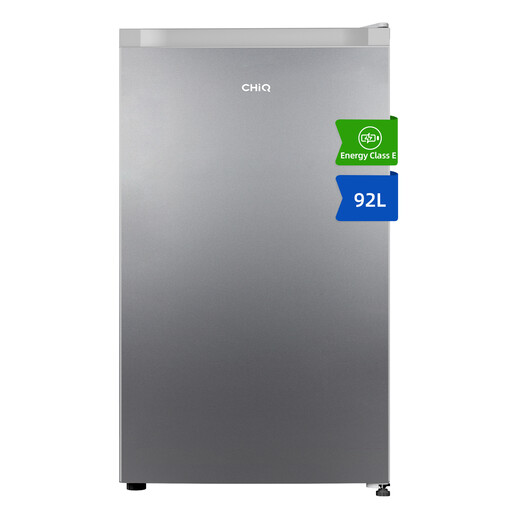 No image available
An option if you need a compact appliance with a separate vegetable drawer.
92 l capacity; 47 cm wide; seven temperature settings; adjustable glass shelves; energy efficiency class E.
Store hygienically prepared sticks chilled and covered, and eat them promptly. The Federal Institute for Risk Assessment recommends a temperature of between 2 °C and 7 °C for perishable foods. The Federal Centre for Nutrition’s guidance of around a week in the salad drawer applies to whole carrots, not cut sticks.
No, not just for carrot sticks. A drawer like this may be worth considering if you store other vegetables, but hygienic preparation, refrigeration, covered storage and eating the sticks promptly remain important.
Not if your existing fridge cools reliably and has room for a clean, covered container. Check the temperature where you plan to store the sticks, and only choose a new appliance based on its design if it meets your overall fridge or freezer needs.
The Consumer Advice Centre gives 100 to 150 l as a general guide for one- or two-person households. Your actual food shopping is what matters: if you have a fridge-freezer, check the fridge and freezer capacities separately.
Compare the stated annual energy consumption in kWh/year of appliances that suit your space and refrigeration needs. To estimate your own costs, multiply the annual energy consumption by your electricity price per kWh; the EU energy label provides further information about the specific model.