
Lieferung heute & morgen

Qualitätsgarantie

Willkommens-Angebote freischalten: KOSTENLOSE Lieferung | Bis zu 80 % RABATT | Kostenlose 30-Tage-JoyPlus-Testphase
App herunterladen
Finding the right carry-on suitcase can be a challenge. Varying airline regulations, a multitude of materials, and a wide range of features make the decision complex. A suitable cabin trolley must not only meet the standards but also be robust, lightweight, and practical to handle. This guide serves as a reference, presenting objective criteria and a selection of models to simplify your purchasing decision.
To find a suitcase that meets your travel needs, several technical features are particularly important.
The permissible dimensions for carry-on luggage vary by airline. A common guideline is 55 x 40 x 20 cm. Nevertheless, it is essential to check your airline's specific rules before every flight to avoid additional fees at the gate. Another crucial factor is weight. An inherently lightweight suitcase gives you more packing allowance without exceeding the weight limit. Models made from materials like polycarbonate or polypropylene often have an advantage here.
Carry-on suitcases are generally available as hardshell or softshell models. A hardshell suitcase, especially one made of polycarbonate, offers superior protection for fragile items. This material is known for its impact resistance while remaining lightweight. A textured or matte surface can also reduce the visibility of scratches and increase the suitcase's longevity.
For effortless navigation through airports and train stations, a trolley with 4 wheels is a smart choice. These so-called spinner wheels, which can rotate 360°, allow you to roll the suitcase alongside you instead of pulling it. This reduces strain on your arm and shoulder. An integrated TSA lock has become a standard feature. It allows security authorities (especially the U.S. Transportation Security Administration, TSA) to open the luggage for inspection without causing damage.
Based on the criteria mentioned, we have compiled a selection of models that are suited for various travel needs due to their specific features.
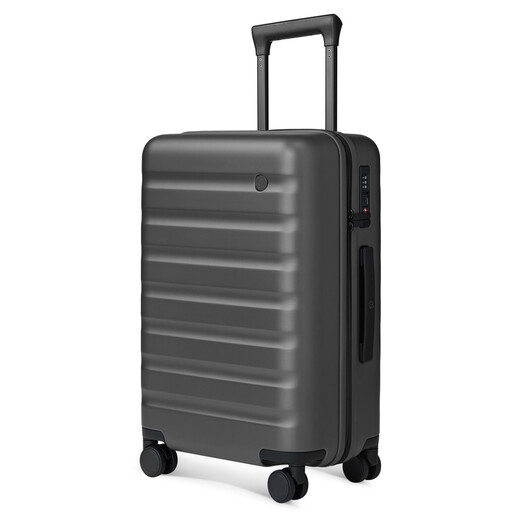
Why it stands out: The NINETYGO Rhine 2.0 is distinguished by its thoughtful design details. The flush-mounted top handle creates a flat surface that can serve as a convenient spot for a laptop or a coffee cup on the go. All functional elements, like the TSA lock and handles, are fully recessed, minimising the risk of damage or snagging on luggage carousels.
Advantages:
Who it's for: Business travellers and tech-savvy users who value functional details and a robust construction for short trips of 3–5 days.
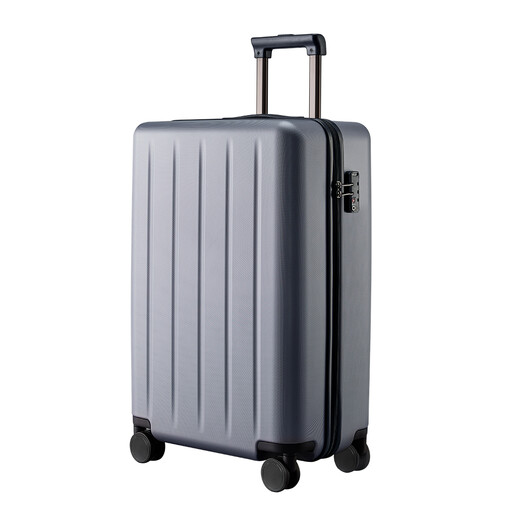
Why it stands out: The Danube cabin trolley combines a durable 100% polycarbonate outer shell with a focus on manoeuvrability. The double spinner wheels ensure exceptional smoothness and stability, while the ergonomic handle makes it easy to manage on long walks through the terminal.
Advantages:
Who it's for: Frequent flyers looking for a reliable and straightforward cabin trolley for regular short trips, who prioritise comfort and durability.

Why it stands out: This model from Kono adheres exactly to the common carry-on size of 55x40x20 cm and is exceptionally lightweight at just 2.35 kg. Made from 100% polypropylene, it offers high impact and scratch resistance, making it a practical choice for budget-conscious travellers.
Advantages:
Who it's for: Travellers seeking a very lightweight suitcase with precise cabin dimensions for flights with strict luggage regulations.
An integrated lock offers both convenience and security. If your current suitcase doesn't have one, or if you want extra security for other baggage, a separate lock can be a worthwhile addition.
Discover our selection of separate TSA travel locks to further secure your luggage.
A TSA lock is a special luggage lock that can be opened by the U.S. Transportation Security Administration (TSA) with a master key. This allows for security checks without damaging the lock or the suitcase. It is primarily relevant for travel to the USA but is also recognised by security forces in other countries.
A hardshell suitcase made of polycarbonate offers several benefits: it is highly impact-resistant and effectively protects the contents from shocks. At the same time, the material is flexible enough to yield under pressure without breaking. Furthermore, polycarbonate is very lightweight compared to other hardshell materials like ABS or aluminium.
There is no universal standard for the size of carry-on luggage. The dimensions 55 x 40 x 20 cm are a guideline for many European airlines. Low-cost carriers often have stricter and smaller requirements. It is therefore essential to check the current size and weight regulations directly with the airline before each trip.