
Lieferung heute & morgen

Qualitätsgarantie

Willkommens-Angebote freischalten: KOSTENLOSE Lieferung | Bis zu 80 % RABATT | Kostenlose 30-Tage-JoyPlus-Testphase
App herunterladen
Choosing the right carry-on suitcase can be the difference between a smooth journey and unexpected fees at the airport. Many travellers fall into common traps set by misleading marketing or unclear product descriptions. This guide will help you understand the crucial criteria and make an informed decision.
By the Joybuy Product Recommendation Officer, August 28, 2026
Before you choose a model, you should be aware of the typical problems that often only become apparent at the check-in counter or after a few trips.
To avoid these pitfalls, focus on three objective criteria. These will determine the practicality and durability of your travel companion.
Always check the airline's maximum permitted dimensions for carry-on luggage before you buy. Look for the total dimensions in the product description.
The choice of material affects protection, weight, and flexibility.
Two details determine your comfort at the airport.
Here are some models tailored to specific user profiles that meet the criteria mentioned above.
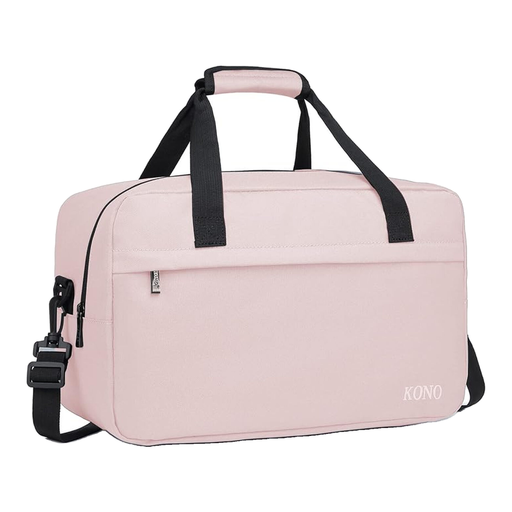
Why This Fits Their Persona: Ideal for travellers who primarily fly with budget airlines like Ryanair and want to consistently avoid extra luggage fees. The bag maximises the permitted storage space for the free "small personal item".
This bag bypasses the "one-size-fits-all" illusion by being tailored exactly to the strict dimensions of 40x20x25 cm. There is no risk of it being classified as too large at the gate.
Extremely lightweight (0.36 kg), made from durable Oxford fabric, and features a convenient sleeve for attaching it to a larger trolley.
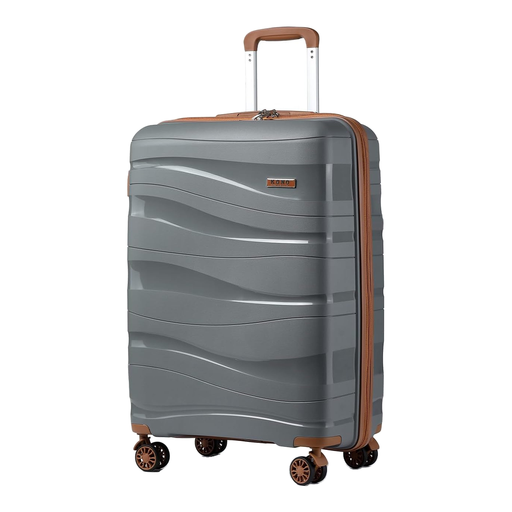
Why This Fits Their Persona: Perfect for business trips and weekend getaways on full-service airlines. This suitcase offers a balanced combination of standard-compliant size, robustness, and comfort for regular use.
It solves the sizing trap, as its dimensions of 55x40x20 cm include the total height with wheels and handles, thus complying with the common IATA guideline. The 100% Polypropylene (PP) material also avoids the pitfall of a brittle, lightweight case.
Equipped with an integrated TSA lock and quiet 360° dual spinner wheels for maximum manoeuvrability. The robust PP material is more impact-resistant than standard ABS.
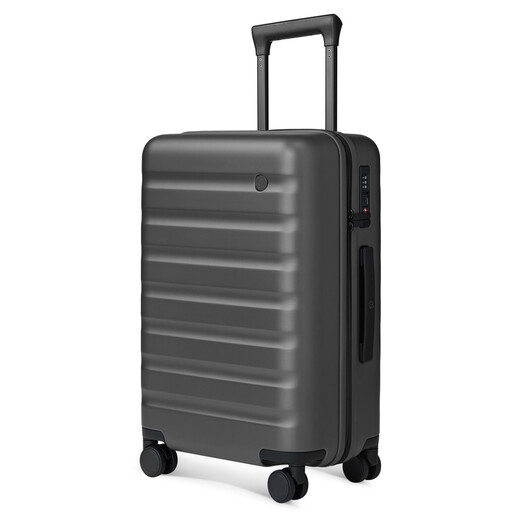
Why This Fits Their Persona: For travellers who value durability, low weight, and thoughtful details. The high-quality material and quiet wheels are designed for frequent use and superior comfort.
This suitcase bypasses the "brittle lightweight" myth. It is made of 100% Polycarbonate (PC), a material that is both extremely light and also flexible and impact-resistant. It offers high durability without compromising on weight.
SGS-certified, ultra-quiet 360° wheels ensure a smooth glide. The recessed handle and flush-mounted TSA lock minimise the risk of damage during transit.
We have compiled a complete, up-to-date list of products that fully meet these strict selection criteria and UK/EU regulations.
Yes, without exception. Airlines measure the total external dimensions of a piece of luggage. A suitcase whose body meets the requirements but is too large due to protruding wheels or handles will be rejected. Therefore, only rely on the total dimensions provided by the manufacturer.
Most TSA locks have a small, recessed button next to the number dials. With the factory setting (usually 0-0-0), press this button with a pointed object (like a pen), set your desired combination, and then confirm it by sliding the opening mechanism. You can find detailed instructions in the product documentation.