
Lieferung heute & morgen

Qualitätsgarantie

Willkommens-Angebote freischalten: KOSTENLOSE Lieferung | Bis zu 80 % RABATT | Kostenlose 30-Tage-JoyPlus-Testphase
App herunterladen
Choosing the right carry-on suitcase can make or break the efficiency of your trip. With varying luggage regulations across airlines and a vast array of models on the market, it can be challenging to keep track. Travelling with only a carry-on not only saves you from checked bag fees but also conserves valuable time at the airport. This guide serves as a reference, presenting objective criteria and a selection of models to help you choose the perfect cabin trolley.
Before making a decision, there are a few fundamental features to consider. These factors will determine how practical and durable your suitcase will be for day-to-day travel.
The permitted size for carry-on luggage is the most critical factor. The most common dimension, accepted by many European airlines like Lufthansa, Eurowings, and even budget carriers like Ryanair (with Priority Boarding), is 55x40x20 cm. A lightweight carry-on suitcase is also advantageous, as many airlines impose a weight limit, often between 8 and 10 kg. It is essential to check the specific regulations of your airline before each trip, as rules can vary. An onboard trolley that meets these standards maximises your available packing space without breaking the rules.
Hardside suitcases are a popular choice due to their resilience. They effectively protect contents from impacts and moisture. The most common materials are:
Handling your luggage at the airport is made significantly easier by functional details. A trolley with 4 wheels, also known as a spinner, can be moved effortlessly in any direction and pushed alongside you, which is especially convenient in narrow aisles or long queues. An integrated suitcase with a TSA lock is another key feature. This special lock allows security authorities (particularly when travelling to the USA) to open the suitcase with a master key if needed, without damaging the lock.
Based on the criteria above, we have curated a selection of models that stand out for their material quality, dimensions, and functionality.
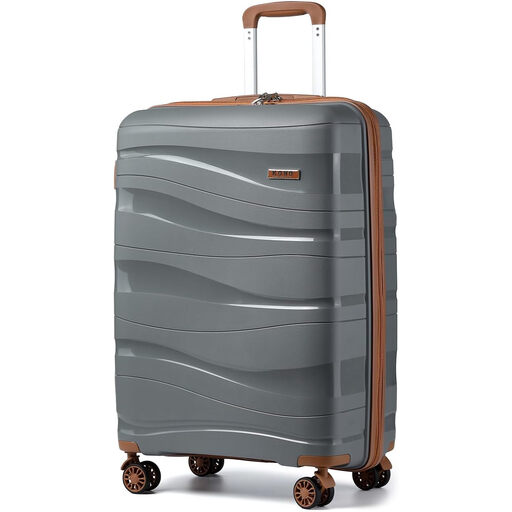
Why It Stands Out: This model combines a durable 100% polypropylene construction with a well-designed interior. Weighing just 2.5 kg and featuring the standard 55x40x20 cm dimensions, it meets the requirements of many airlines. The reinforced zipper and integrated TSA lock provide added security.
Pros:
Who It's For: This suitcase is an excellent choice for frequent flyers seeking a durable, lightweight, and well-organised cabin trolley for business trips or weekend getaways.
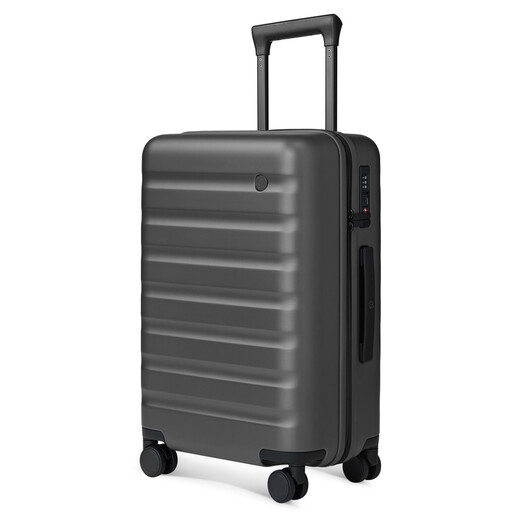
Why It Stands Out: The NINETYGO Rhine 2.0 is distinguished by its high-quality polycarbonate construction and smart design features. The flush-mounted top handle creates a flat surface that can be used as a mobile workstation. All functional components, such as the TSA lock and handles, are fully recessed to minimise damage.
Pros:
Who It's For: Ideal for travellers who value innovative details, high-quality materials, and a minimalist design. The flat top is especially practical for business travellers.
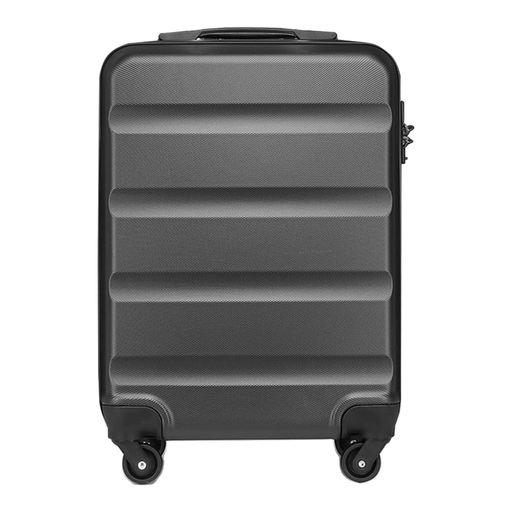
Why It Stands Out: This model offers a solid set of features at an excellent value. The ABS hardshell reliably protects its contents, while its 55x38x20 cm dimensions are suitable for most major airlines, including Ryanair and easyJet. At 2.45 kg, it is also very lightweight.
Pros:
Who It's For: An excellent option for budget-conscious holidaymakers and occasional travellers looking for a reliable and compliant carry-on for Ryanair and other airlines.
The suitcases featured above come with integrated locks. However, if you need to secure other bags or prefer an extra layer of protection, a separate lock can be a worthwhile addition.
Discover our selection of practical travel locks to fully protect your valuables.
1. What do the 55x40x20 cm dimensions mean for carry-on luggage? This refers to the maximum external dimensions (height x width x depth) of the suitcase, including handles, wheels, and exterior pockets. It is the most widely accepted standard size for carry-on luggage on most international airlines.
2. Is a hardside or softside suitcase better for carry-on? Both have their pros and cons. A hardside suitcase offers better protection for fragile items and is more resistant to moisture. A softside suitcase is often more flexible and features exterior pockets for quick access to documents. The choice depends on your personal packing habits and the items you're transporting.
3. Why is a TSA lock important on a suitcase? A suitcase with a TSA lock is particularly important for travel to the USA and several other countries. The Transportation Security Administration (TSA) is authorised to open luggage for inspection. A TSA lock can be opened and relocked by security officers using a master key, without damaging the lock or the suitcase. With a standard lock, there is a risk it will be broken open during an inspection.