
Lieferung heute & morgen

Qualitätsgarantie

Willkommens-Angebote freischalten: KOSTENLOSE Lieferung | Bis zu 80 % RABATT | Kostenlose 30-Tage-JoyPlus-Testphase
App herunterladen
Travelling with small children presents unique challenges for parents, especially when flying. A bulky stroller can quickly become a hassle. A travel stroller suitable as a carry-on promises to be the solution. However, the market is confusing, and not every model advertised as "cabin-friendly" delivers on its promise. This guide reveals the common pitfalls to avoid and the criteria that truly matter for an informed purchasing decision.
Many parents invest in a compact stroller, only to discover at the gate that it must be checked in or that it's impractical on holiday. Watch out for these three common problems:
stroller with lie-flat function), inadequate suspension, or a sun canopy that's too small can make the vacation stroller uncomfortable for the child and impractical for the parents.compact-folding stroller is of little use if folding it requires two free hands and several cumbersome steps. At the security checkpoint or when boarding the plane, often with a child in your arms, a simple one-hand mechanism is crucial.To avoid a poor investment, you should base your choice on objective, technical parameters. A good stroller for air travel needs to do more than just be small.
The critical factors for taking a stroller into the cabin are its folded dimensions and weight. The IATA (International Air Transport Association) provides a guideline for carry-on luggage of 55 x 40 x 23 cm. However, this is only a recommendation. Every airline has its own binding regulations. Be sure to check them before your flight. A lightweight stroller weighing around 6 kg is also much easier to handle and stow in the overhead compartment than models that push the 8 kg limit.
A compact stroller should replicate the comfort of a full-sized model as much as possible. A continuously adjustable backrest that goes down to a flat recline position is essential for naps on the go. Good suspension, especially on the front wheels, smooths out bumps on cobblestones or uneven pavements, ensuring a quiet ride. An extendable sun canopy with high UV protection (UPF 50+) reliably shields your child's sensitive skin.
The choice of the right model depends heavily on individual needs and travel habits. Here are some options tailored to specific requirement profiles.
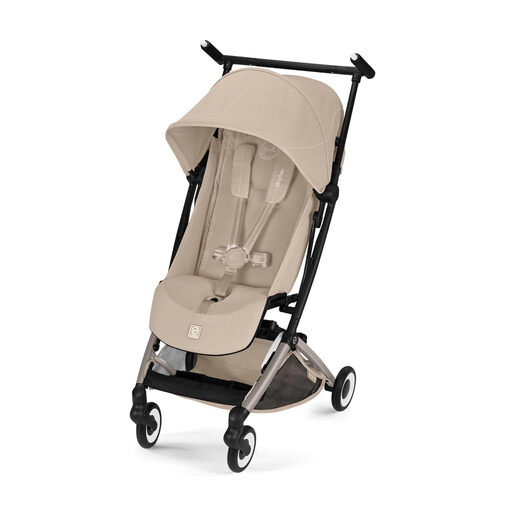
Why it fits: Ideal for parents who fly frequently or live in the city and need a maximally space-saving solution. Its extremely low weight and tiny folded size make it a hassle-free companion.
Its folded size (32 x 20 x 48 cm, according to the manufacturer) is specifically designed to meet the carry-on requirements of many airlines, thus avoiding the pitfall of misleading size claims.
Ultra-compact fold and a weight of just 6 kg. The one-pull harness makes it easy to secure the child quickly.
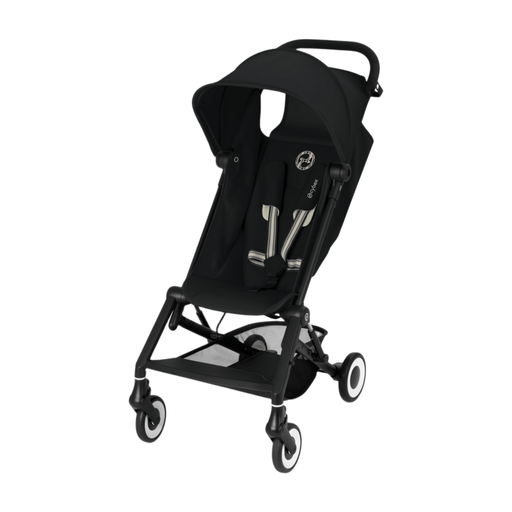
Why it fits: For parents looking for a compact travel stroller who don't want to compromise on ride comfort. Suitable for longer excursions and uneven urban terrain.
This model addresses the pitfall of sacrificed comfort. It integrates an advanced suspension system and an adjustable seat and recline position into a design that still folds compactly.
Suspension integrated into the frame and front wheels ensures a smooth ride. The backrest can be adjusted to a lie-flat position with one hand.
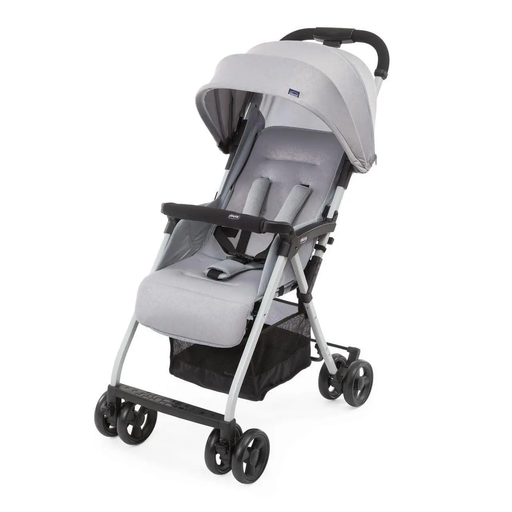
Why it fits: A very lightweight and straightforward option for parents who need a stroller mainly for short trips, as a secondary stroller for the car, or for occasional flights.
This model avoids the pitfall of a complicated fold with its simple one-hand folding mechanism. Its extremely low weight makes handling it at the airport particularly easy.
Extremely light at only 4.2 kg (according to the manufacturer). Offers a fully reclinable backrest and a simple folding mechanism.
We have compiled a complete, up-to-date list of products that fully meet these strict selection criteria and all applicable safety regulations.
No, there's no guarantee. Although many models are specifically designed to meet carry-on dimensions, the airlines have the final say. Permitted dimensions and weight limits can vary. It is essential to check the current carry-on regulations on the respective airline's website before every trip.
Most travel strollers are designed for children from around 6 months of age, which is when a child can sit up independently and steadily. These models are generally not suitable for newborns unless the stroller can be combined with a separate infant car seat and is explicitly approved for this by the manufacturer.
A travel bag is highly recommended. It protects the stroller from dirt, scratches, and damage during transport, whether in the aircraft's overhead compartment or in the boot of a car. Some models include a bag with the purchase, while for others it must be bought separately as an accessory.