Transferring tapes at a shared desk
You want to monitor the recording as it plays while others work nearby. Look for a closed-back design and consider how well the ear pads fit you.


For a shared desk, closed-back, wired studio headphones are a sensible starting point: a good fit around the ear pads can help limit sound leakage. You should also consider comfort, replaceable wear parts and the connection on your playback source. Headphones are no substitute for monitoring the recording level or checking the recorded signal.
You want to monitor the recording as it plays while others work nearby. Look for a closed-back design and consider how well the ear pads fit you.
You check for dropouts, hiss or differences between channels, and also monitor the recording using the level meter and the recorded signal.
You use your headphones for extended recording sessions and pay particular attention to fit, cable handling and the availability of suitable replacement ear pads.
A good fit if: You want to monitor audio at a shared desk and limit sound leakage into the room.
Consider: How much sound is blocked also depends on the fit of the ear pads; a tight fit may become uncomfortable during long sessions.
A good fit if: You want to listen critically on your own, or don’t need to worry about sound leaking into the room.
Consider: The more open design is less suitable for monitoring at a shared desk; it’s a different choice for a different room setup.
| What matters | What to check when buying | Who is it important to? |
|---|---|---|
| Isolation at a shared desk | Closed-back design and ear-pad fit; the design alone does not guarantee complete sound isolation. | At a shared desk, I want to monitor the audio without disturbing others unnecessarily. Roughly 33% of consumers put this kind of isolation first. |
| Monitoring a recording as it plays | Wired stereo listening through a suitable output; also check the level meter and the recorded signal. | If I want to check for dropouts, hiss or differences between channels, listening needs to be part of the monitoring process. For roughly 27% of consumers, checking the recording comes first. |
| Comfort and replacement parts | Fit and clamping force; whether replacement ear pads are available and compatible with the right model generation. | During longer transfers, I want to avoid pressure points and be able to replace the ear pads with ones that fit the exact model. This is the top priority for roughly 20% of consumers. |
| Connecting to your playback source | Check the source’s socket and plug size, any supplied adapter, as well as cable length and routing. | If I want to connect the headphones to my existing deck, interface or computer, they need to suit my setup. For roughly 20% of consumers, this connection comes first. |
Headphones can’t fix problems with the cassette deck or an incorrectly set recording level. Audacity recommends checking the recording using both the signal and the level as well.
Check the cassette deck, recorded signal and level meter separately from your choice of headphones.
If you only spot a problem in the finished file, you may have to spend extra time transferring the cassette again.
In its comparison, HIFI.DE found that the ATH-M50x has boosted bass and a high clamping force. This assessment doesn’t automatically apply to other models from the same brand.
Check reviews for the exact model and make sure its fit and sound suit your needs.
Plugs, adapters and compatible ear pads can vary by model and version. Replacement ear pads also need to be designed for the right model generation.
Make a note of the socket on your playback source, then check the connection, what’s included and replacement-part compatibility against the exact model name.
If your setup needs a compatible adapter or model-specific replacement ear pads, you may need to buy them separately.
The DT 770 PRO and DT 700 PRO X are closed-back monitoring options. With the DT 770 PRO, make sure you distinguish carefully between the impedance variants and connections.
The ATH-M40x and ATH-M50x are closed-back, wired monitor headphones. Fit and the level of sound detail you need are important factors when choosing between them.
The HD 280 PRO is a closed-back monitoring option with a foldable design.
The SRH440A is a closed-back pair of studio headphones for recording and monitoring.
The K271 MKII is a pair of closed-back studio headphones with a detachable cable and automatic muting when removed.
This Joybuy selection features closed-back over-ear headphones listed as suitable for wired listening. Check that the cable connection shown suits your playback source; product descriptions aren’t independent studio measurements.
 No image available
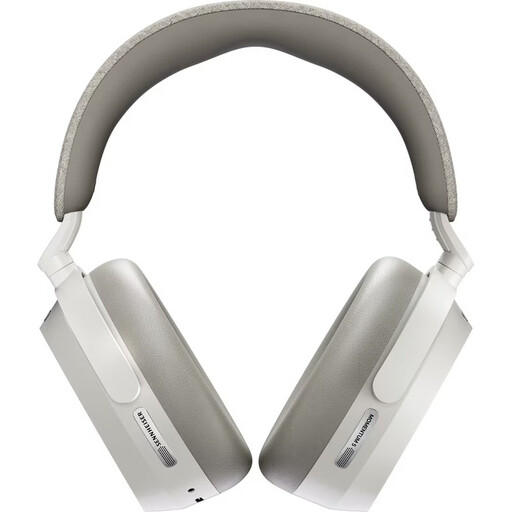
The closed-back over-ear design and listed 3.5 mm audio cable allow you to listen through a suitable connection. Check that this works with your source.
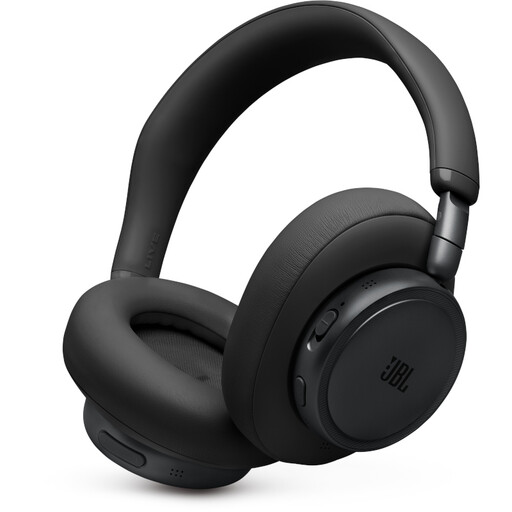
Described as a wireless model with Active Noise Cancellation and Bluetooth 5.4; the product name also mentions a replaceable battery.
 No image available
A USB-C to 3.5 mm analogue cable is listed for wired listening. Before buying, check that this connection works with your playback source.
The product details also mention True Adaptive Noise Cancelling, a foldable design and Bluetooth Multipoint.
For monitoring, you can use a suitable headphone output on the deck, interface or computer. For digitising, the Audacity Manual recommends connecting the deck’s line output to a suitable line input, if available, rather than using the computer’s microphone input.
No. Also check the recording level meter and, if possible, listen back to the recorded file. The Audacity Manual suggests aiming for a maximum peak level of around −6 dB when setting up a recording; this is a software recommendation, not a feature of the headphones.
If wear affects the fit or seal, check for replacement ear pads made for your exact model version. Sennheiser specifies that its HD 280 PRO ear-pad set is for devices from 2016 onwards and other models named on the product page.
No. The World Health Organization recommends limiting volume and listening time together; at 90 dB, it suggests four hours a week. This is general safe-listening advice, not a set volume level for a particular pair of headphones.
For goods bought by consumers from a trader in the EU, Your Europe states that there is a minimum two-year legal guarantee from the date of receipt. This applies against the seller and is separate from any additional manufacturer’s guarantee. This doesn’t apply in the same way to purchases from private individuals.