
Lieferung heute & morgen

Qualitätsgarantie

Willkommens-Angebote freischalten: KOSTENLOSE Lieferung | Bis zu 80 % RABATT | Kostenlose 30-Tage-JoyPlus-Testphase
App herunterladen
A cast-iron casserole with a lid is ideal for slow-cooked dishes, soups, bread and all kinds of one-pot recipes. But with so much choice, it’s easy to end up with the wrong one. The key factors aren’t just the brand or colour: capacity, interior coating, weight and suitability for your hob and oven all matter.
A 6.7-litre casserole can be handy for family meals, but it takes up plenty of space and is heavy to move when full. For two or three people, a model with a capacity of around 2 to 3.5 litres is often enough. If you regularly cook large portions, stews or whole roasts, the extra capacity may be worth it.
An uncoated cast-iron pot usually needs to be seasoned and dried thoroughly. An enameled cast-iron casserole, on the other hand, has a glass-like protective coating. This makes it easier to clean and, when used properly, prevents food from coming into direct contact with the iron. However, sudden temperature changes, metal utensils and abrasive cleaners can damage the enamel.
Not every heavy pot is automatically suitable for every type of hob. If you’re looking for a casserole for induction, check that induction compatibility is clearly stated in the product details. For oven use, also check the maximum temperature for the whole product, including the lid knob. Claims such as “oven-safe” should be backed up by a specific temperature rating.
The right size depends on your household and the dishes you usually cook:
A diameter of around 20 to 24 cm is a good fit for many kitchens. A 28 cm model gives you more cooking space, but needs more storage room and is heavier.
Cast iron retains heat and releases it slowly, helping food cook evenly when simmered over a low to medium heat. A tightly fitting lid reduces moisture loss. Some models have raised dots or spikes on the inside of the lid. According to the manufacturers, these help condensation drip back into the pot, creating a self-basting effect.
When choosing an oven-safe casserole, also check:
A cast-iron pot is considerably heavier than one made from stainless steel or aluminium. That’s useful for retaining heat, but it does make the pot harder to lift. Large handles, a secure lid knob and enough room on your hob are all practical considerations. A 28 cm model weighing around 6 to 7 kg can only be moved safely when full if you use both hands.
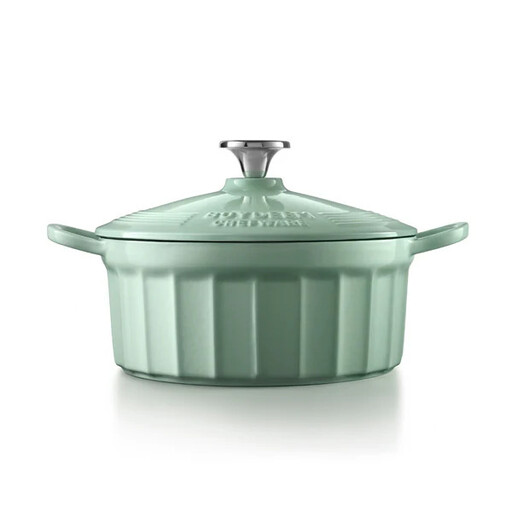
Why this product suits this profile: With a capacity of 2.9 litres, this enameled cast-iron casserole is well suited to everyday slow-cooked dishes, soups and smaller roasts. According to the manufacturer, it is suitable for induction, gas, electric and ceramic hobs, as well as oven use.
Its clearly stated capacity helps you avoid choosing a pot that’s unnecessarily large and heavy. The enamel also means less upkeep than uncoated cast iron.
2.9-litre capacity, lid with a stainless-steel knob, and compatibility with several types of hob.
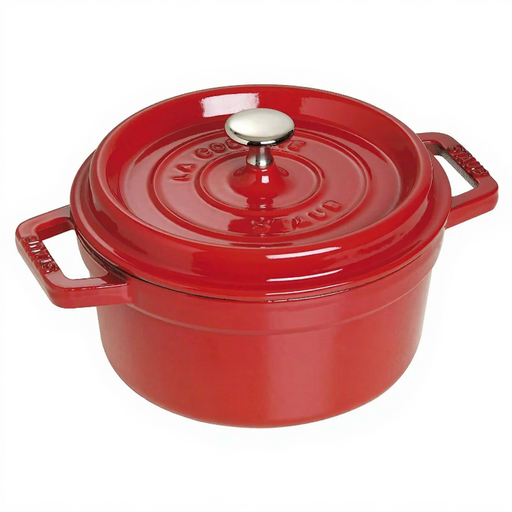
Why this product suits this profile: This compact cocotte is designed for cooking smaller portions by braising, roasting or baking. According to the manufacturer, it’s made from enameled cast iron, has a self-basting lid and is suitable for all types of hob, as well as oven use.
Its moderate size helps you avoid buying a pot that’s bigger than you need. Clear information about oven suitability and the enamel interior make it easier to decide whether it’s right for you and how to care for it.
2.2-litre capacity, lid that returns condensation to the pot, and ideal for serving straight at the table.
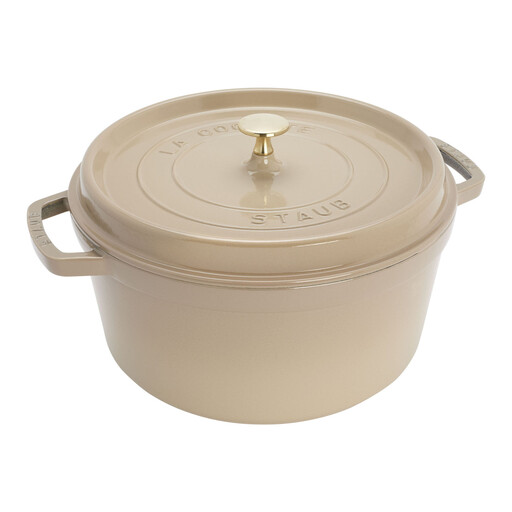
Why this product suits this profile: This large model is aimed at households that often cook soups, slow-cooked dishes or larger quantities. According to the manufacturer, the pot weighs 6.95 kg and is suitable for use in the oven and under the grill at temperatures up to 260 °C.
Its weight and capacity are clearly stated, so you can check before buying whether you have enough storage space, whether it will fit on your hob and whether it’s manageable for you to lift.
6.7-litre capacity, induction compatibility and a self-basting lid designed for cooking larger quantities.
We’ve put together a complete, regularly updated list of products that meet these strict selection criteria and fully comply with the safety regulations in force in the EU.
A capacity of around 2 to 3 litres is usually enough for two people. If you often plan to have leftovers or cook larger slow-cooked dishes, you could choose a model with a capacity of around 3.5 to 4 litres.
Many enameled models are designed for induction. However, always check the manufacturer’s specific guidance. The base diameter should also match your induction hob zone to ensure even heat transfer.
Its lifespan depends on the quality of the materials, how often you use it and how well you care for it. Heating it gradually, avoiding knocks and cleaning it gently will help protect the enamel. The manufacturer’s warranty can give you further guidance, but it doesn’t replace proper use and care.