
Lieferung heute & morgen

Qualitätsgarantie

Willkommens-Angebote freischalten: KOSTENLOSE Lieferung | Bis zu 80 % RABATT | Kostenlose 30-Tage-JoyPlus-Testphase
App herunterladen
A cast-iron casserole can be used for braising, searing, slow cooking, baking and serving. At the same time, it is usually more expensive to buy and considerably heavier than a conventional saucepan. If you focus only on colour, brand name or supposed special features, it is easy to end up with a model that is not suited to your hob or household size.
This guide from the Joybuy Product Recommendation Officer explains which details are crucial when comparing products and which models suit different cooking needs.
A casserole with a capacity of 3 litres is not automatically suitable for three generous portions. The shape, cooking surface and height are also important. A round casserole with a wide base, for example, is ideal for searing, while a taller cast-iron braising pot can hold more liquid.
As a general guide:
The stated capacity is a guideline. When braising, the pot should not be filled to the brim.
A casserole suitable for induction is not automatically suitable for every oven temperature. Check the maximum temperature for the pot, lid and knob separately. For some models, the stated oven suitability is 250 or 260 °C. If the casserole has a stainless-steel or metal knob, you should also check its specified temperature rating.
Weight is another consideration on ceramic and induction hobs. Do not slide a cast-iron pot across the hob. Lift it instead to help prevent scratches.
An enamelled cast-iron casserole does not require the traditional seasoning routine used for uncoated cast iron. However, the surface can still be damaged by abrasive sponges, sudden temperature changes or impacts. Even if a product is described as dishwasher-safe, frequent washing can alter the sheen of the enamel. For a well-maintained surface over the long term, washing by hand with a soft sponge is usually gentler on the material.
Cast iron retains heat for longer and releases it comparatively slowly. This is useful for braising and slow cooking. An enamel coating makes cleaning easier, and the models featured here are designed for acidic ingredients such as tomatoes or wine.
Look for specific information about:
A well-fitting casserole with lid helps reduce moisture loss. According to the product description, some STAUB models feature a Chistera or drip structure on the lid. This directs condensation back into the food. Other Dutch oven models have a domed lid that supports steam circulation.
This design does not replace proper temperature control. Cast iron should be heated slowly on a low to medium setting, and an empty pot should not be heated strongly for extended periods.
Cast iron is heavy. According to the product information, a 28 cm model with a capacity of 3.7 litres can weigh 5.4 kg before any food is added. Large, easy-to-grip handles are therefore important for safely moving the casserole from the hob to the oven.
You should also check the following before buying:
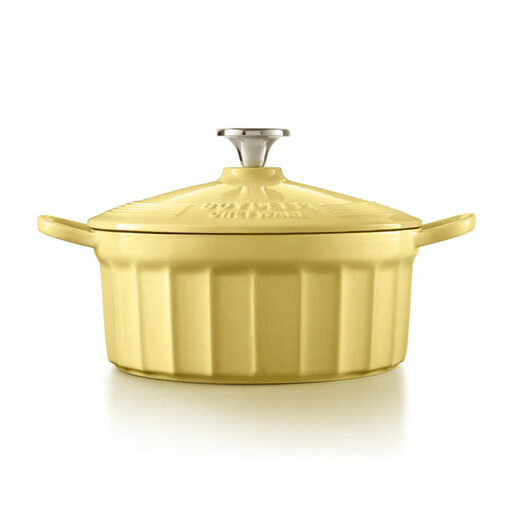
Why this product suits this profile: With a capacity of 2.9 litres, this enamelled cast-iron casserole is a practical size for smaller households. The stated compatibility covers gas, induction, electric, halogen and ceramic hobs.
The capacity and hob compatibility are clearly specified. This makes it easier to check whether the casserole suits your household and hob before buying.
2.9-litre capacity, enamelled cast iron and a close-fitting lid with a stainless-steel knob, according to the product description.
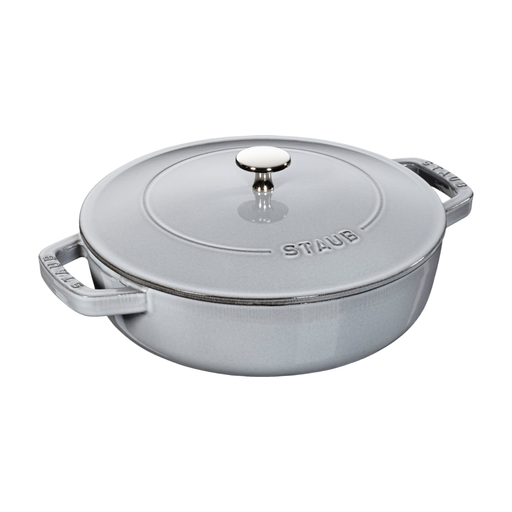
Why this product suits this profile: This round casserole combines a 3.7-litre capacity with a stated oven suitability of up to 260 °C and compatibility with all hob types, including induction.
The relevant limits for diameter, capacity and oven temperature are clearly stated. This makes it easier to check storage space, cooking zone and recipe quantities.
Chistera lid according to the product description, 3.7-litre capacity and a stated 30-year guarantee.
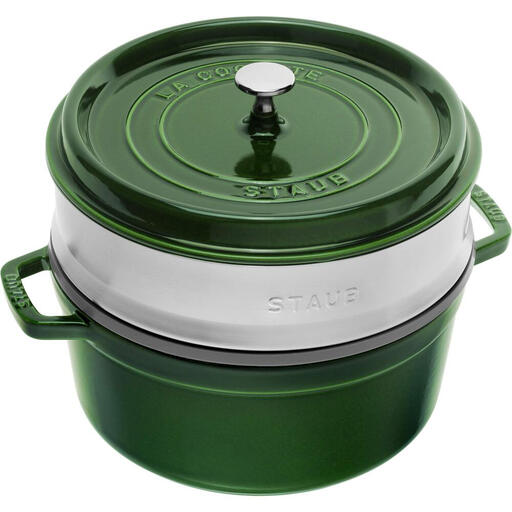
Why this product suits this profile: This large cast-iron pot is designed for households that want to braise and also steam vegetables, fish or meat.
The additional function is clearly demonstrated by the included stainless-steel steamer insert, rather than being described only through a general claim of versatility.
5.2-litre capacity, stainless-steel steamer insert and stated oven suitability of up to 250 °C.
We have put together a complete, regularly updated list of products that fully meet these strict selection criteria and the safety regulations applicable in the EU.
Whether a Le Creuset casserole, a STAUB Cocotte, a Dutch oven or a model from BUYDEEM and Tefal is right for you depends less on the brand name than on its capacity, weight, coating and intended use. For smaller portions, models between 1 and 2.4 litres are easier to handle; for family meals, 3.7 to 5.2 litres provide more room.
According to the product information, many enamelled cast-iron casseroles are suitable for induction, gas, electric and ceramic hobs. Even so, always check the manufacturer’s specifications and the base diameter. Ideally, the base should match the cooking zone as closely as possible.
Allow the casserole to cool first. Warm water, mild washing-up liquid and a soft sponge are usually all you need. Stubborn residue can be soaked. Dishwasher suitability depends on the model; hand washing is generally gentler on the enamel.
Its service life depends on the quality of the workmanship and how well it is cared for. Cast iron itself is robust, but the enamel will only remain intact if handled carefully. Avoid impacts, sudden temperature changes and abrasive utensils. A stated guarantee, such as that offered with some STAUB models, should not be equated with unlimited durability.