
Lieferung heute & morgen

Qualitätsgarantie

Willkommens-Angebote freischalten: KOSTENLOSE Lieferung | Bis zu 80 % RABATT | Kostenlose 30-Tage-JoyPlus-Testphase
App herunterladen
A cast-iron casserole with a lid is ideal for searing, braising, slow cooking and serving. Its heavy construction retains heat, while a well-fitting lid keeps moisture in the pot. However, not every model will suit every kitchen. Capacity, interior coating, lid design and maximum temperature are just as important as colour and brand name.
A casserole with a diameter of 24 cm can hold around 2,4 to 3,8 litres, depending on its shape. The usable cooking surface at the base is also smaller than the diameter at the top. A model with a capacity of 2,6 to 3,3 litres may be enough for two or three portions. Families and anyone who likes to prepare larger quantities should consider a capacity of around 3,8 to 5,2 litres.
Claims that a casserole is suitable for induction should be backed up by specific information from the manufacturer. Also check:
The maximum temperature may be 240 °C, 250 °C or 260 °C. Always check the details for the individual product.
A self-basting lid with a textured surface or Chistera-style spikes directs condensation back into the pot. This can help distribute moisture when braising. But it doesn’t mean every dish will cook perfectly without keeping an eye on the liquid. Excessive heat, an empty pot or sudden changes in temperature can damage the coating and the material.
An enameled cast-iron pot has a glass-like coating on the inside and outside. This makes it easier to clean, and the models mentioned here are designed for use with acidic ingredients such as tomatoes or wine. Even so, use wooden, silicone or plastic utensils on the surface. If the coating chips or cracks, stop using the cookware.
A cast-iron cocotte often has a black enamel interior designed for high-heat searing. Uncoated cast iron needs its own care routine, such as seasoning and thorough drying. If you’d prefer cookware that’s easier to look after day to day, enameled models generally make care simpler.
A round casserole distributes heat evenly around round cuts of meat, vegetables and braised dishes. Square models can provide more surface area for longer joints. Remember to consider the weight: a 22 cm model with a capacity of 2,6 litres can already weigh close to 4 kg. Larger models with a capacity of 5 litres or more can weigh over 5 kg, so make sure you have a secure grip and a heat-resistant surface when moving one.
Look for a close-fitting lid, easy-to-grip side handles and a heat-resistant knob. A lid with a textured surface is useful for braising. A product may be listed as dishwasher-safe, but hand washing is often recommended to help protect the finish and coating over time. Let the pot cool before cleaning. Don’t put a hot cast-iron casserole straight onto a cold stone surface or into cold water.
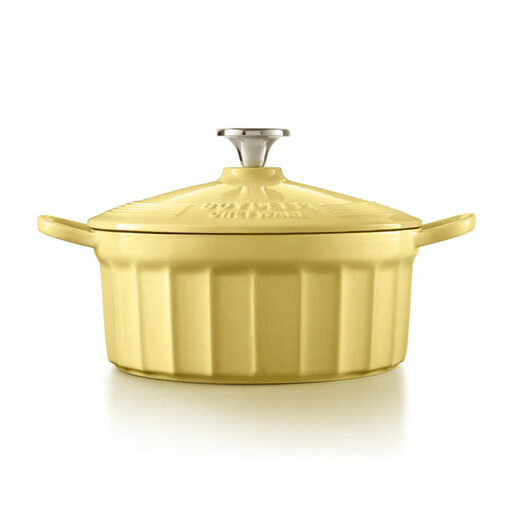
Why it suits this profile: With a capacity of 2,9 litres, this pot is a manageable size for smaller households and everyday braising. According to the product details, it can be used on induction, gas, electric, halogen and ceramic hobs, as well as in the oven.
The stated capacity helps you avoid buying a Dutch oven that looks large but is bigger than you actually need. The enameled interior is also easier to care for than uncoated cast iron.
2,9-litre capacity; enameled cast iron and a close-fitting lid; listed as dishwasher-safe in the product details.
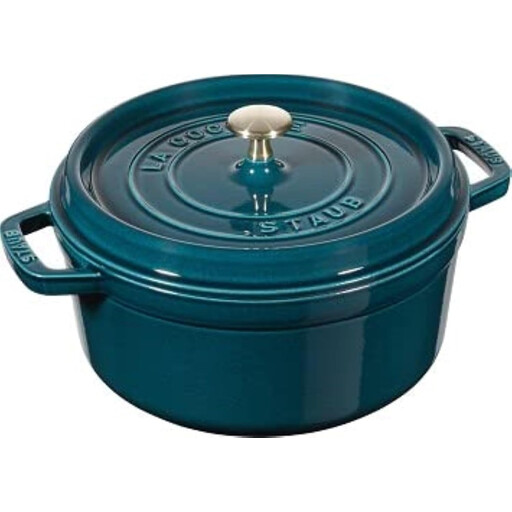
Why it suits this profile: This 24 cm cocotte combines a 3,8-litre capacity with compatibility for all common hob types, including induction. It’s designed for braising, searing and serving at the table.
The product details specify the diameter, capacity, oven suitability up to 250 °C and the lid’s textured surface. This makes it easier to assess important product claims before you buy.
3,8-litre capacity; enameled cast iron; self-basting lid; listed as suitable for induction and oven use up to 250 °C.
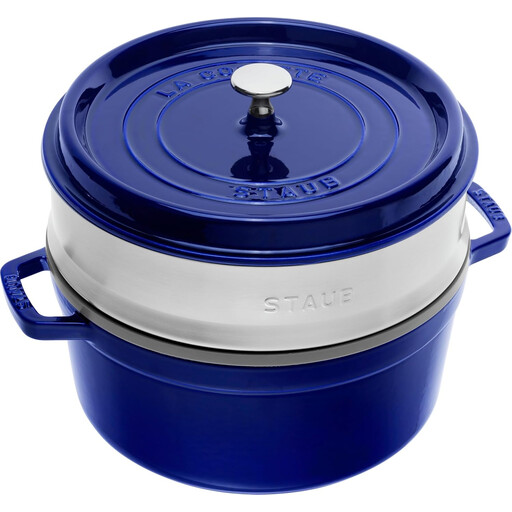
Why it suits this profile: This set is designed for households that want to braise and steam using the same cookware. The stainless-steel steamer insert gives you more ways to cook vegetables, fish and other ingredients.
The additional insert is a clearly specified accessory, not just a vague claim of versatility. The product details also state a capacity of 5,2 litres, induction compatibility and an oven temperature limit of 250 °C.
5,2-litre capacity; stainless-steel steamer insert; textured lid; listed as suitable for all hob types, including induction.
We’ve put together a comprehensive, regularly updated list of products that meet these strict selection criteria and fully comply with the safety regulations in force in the EU.
A capacity of 2,4 to 3,3 litres is often enough for two people. For four people or larger portions, 3,8 litres is usually more practical. If you often cook for guests or prepare complete meals in one pot, compare models with a capacity of around 5 litres or more.
Yes, as long as the manufacturer explicitly states that it’s suitable for induction. The base should sit flat on the hob and be a suitable size for the cooking zone. Lift the casserole when moving it to avoid scratching the glass surface.
Its lifespan depends on the coating, temperature control, cleaning and how it’s handled. Heating it gradually, avoiding sudden temperature changes and steering clear of harsh cleaning tools can help protect the surface. Always check the product details for warranty information, including the duration stated for the specific model.