
Lieferung heute & morgen

Qualitätsgarantie

Willkommens-Angebote freischalten: KOSTENLOSE Lieferung | Bis zu 80 % RABATT | Kostenlose 30-Tage-JoyPlus-Testphase
App herunterladen
A high-quality cast iron Dutch oven is an investment that, when chosen correctly, can last for generations. It's the centerpiece of many kitchens, perfect for slow-cooked stews, crispy roasts, and even baking bread. However, the market is flooded with products of widely varying quality. Before you invest, it's crucial to understand the common pitfalls that often lead to disappointment and a useless piece of cookware.
This guide will show you what to look for to find a cast iron pot that reliably performs its function and becomes a long-lasting addition to your kitchen.
Many buyers are drawn to attractive designs or supposed bargains, overlooking critical technical flaws. These three issues are the most common causes of a bad purchase:
To avoid these pitfalls, base your purchasing decision on objective criteria. The following three features are central to the performance and longevity of your cookware.
A cast iron pot can be made of either raw or enamelled cast iron. Enamelled cast iron has the advantage of being rust-proof, easier to clean, and non-reactive with acidic foods. A high-quality enamel coating is smooth, non-porous, and durable. Look for a light-coloured interior enamel, as it makes it easier to see food browning and monitor the cooking process.
For induction cooktop users, this is the most critical point. A good Dutch oven for induction requires a thick, perfectly flat, and ferromagnetic base. This is the only way for the cooktop's magnetic field to transfer heat efficiently and evenly across the entire pot. A warped or thin base leads to "hot spots" and inefficient cooking. Check the manufacturer's specifications for base thickness and flatness to ensure the cookware for induction will perform optimally.
For a non-stick frying pan or a pot with non-stick properties, the coating's composition is crucial. Look for products explicitly declared as PFOA-free and, ideally, PFAS-free as well. Reputable manufacturers provide transparent information about the materials used and their compliance with EU regulations. This ensures that no unwanted substances are released into your food when heated.
Based on these criteria, we have put together a selection of products suitable for different needs and cooking styles.
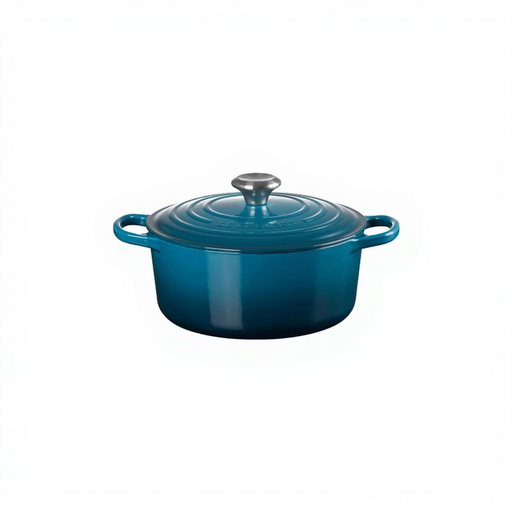
Why it's a great fit: Ideal for ambitious home cooks looking for a versatile and durable all-rounder for 2–4 people. Perfect for stews, roasts, or baking bread. A classic Le Creuset Dutch oven.
The high-quality, scratch-resistant enamel is renowned for its durability and resists chipping. The flat base ensures excellent and even heat distribution on induction cooktops.
Outstanding heat retention and distribution for energy-efficient cooking. Suitable for all hob types, including induction, as well as for the oven.
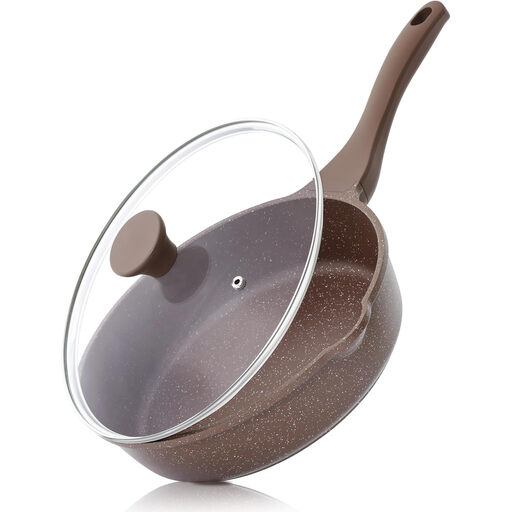
Why it's a great fit: For users seeking a reliable and healthy non-stick pan for daily use. Ideal for frying vegetables, fish, or eggs with minimal oil.
The granite non-stick coating is explicitly declared as PFOA-free, offering transparency and safety. Its solid base is designed for all hob types, including induction.
The smooth non-stick surface allows for effortless food release and very easy cleaning. The ergonomic handle stays cool on the stovetop during cooking.
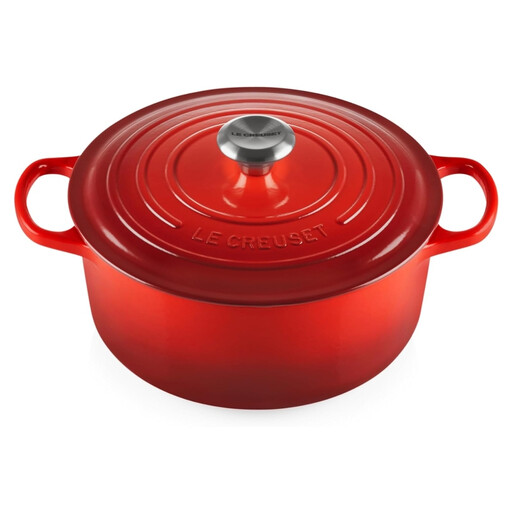
Why it's a great fit: With a 5.5-litre capacity, this Dutch oven is the right choice for families and anyone who loves cooking for guests or preparing meals in larger quantities (batch cooking).
The proven brand quality ensures a robust enamel coating designed for heavy use. The large handles provide a secure grip even when the pot is full and heavy.
Generous capacity for 5–6 people. The excellent heat retention keeps food warm at the table for a long time and ensures even cooking results.
We have compiled a complete, up-to-date list of products that fully meet these strict selection criteria and safety standards.
To ensure the longevity of the enamel, you should follow a few simple rules. Allow the hot pot to cool completely before cleaning to avoid thermal shock. Hand washing with warm water, mild dish soap, and a soft sponge is recommended, even if many models are listed as dishwasher-safe. Do not use metal utensils or abrasive scouring pads, as they can scratch the surface.
Yes, a cast iron Dutch oven with a lid is excellent for baking bread. The material retains heat extremely well and releases it evenly, creating an environment similar to a professional deck oven. The lid traps steam inside the pot, which results in an exceptionally crispy crust and a moist crumb.
The main difference lies in the material and the resulting cooking performance. Cast iron is heavy and retains heat for a very long time, making it ideal for slow braising, roasting, and cooking at a constant temperature. A non-stick pan made of aluminium is lighter, heats up faster, and responds more quickly to temperature changes. It is therefore well-suited for quick, high-heat searing, such as for stir-fries or steaks. Both have their place in the kitchen, but they serve different purposes.