
Lieferung heute & morgen

Qualitätsgarantie

Willkommens-Angebote freischalten: KOSTENLOSE Lieferung | Bis zu 80 % RABATT | Kostenlose 30-Tage-JoyPlus-Testphase
App herunterladen
A cast iron Dutch oven is more than just a pot; it's a kitchen investment that, with proper care, will deliver outstanding cooking results for generations. Whether for a Sunday roast, a hearty goulash, or even for baking bread in a pot, cast iron's ability to retain and distribute heat evenly is unparalleled. However, the market offers a wide array of options, from the classic cocotte to the modern Dutch oven.
This article serves as an objective guide. We'll explain the key features of a high-quality cast iron pot and present a selection of models to help you make an informed purchasing decision.
Choosing the right model depends on your personal cooking habits and needs. Three criteria are particularly relevant.
A modern enamelled Dutch oven offers significant advantages over its raw, unseasoned counterpart. The enamel layer protects the cast iron from rust, eliminates the need for laborious seasoning, and makes cleanup much easier. Furthermore, the smooth surface is non-reactive, so acidic foods like tomatoes or wine won't take on a metallic taste. A light-coloured interior enamel makes it easier to monitor the browning process while searing.
The size of the Dutch oven should match the number of people you regularly cook for.
Round Dutch ovens are universally versatile and fit well on standard hobs. Oval shapes are particularly well-suited for elongated foods like whole chickens or rolled roasts.
A heavy, tight-fitting cast iron pot with a lid is essential for braising. It prevents steam from escaping, ensuring the food remains moist and succulent. Some lids, like those on Staub Dutch ovens, feature special textures on the underside that allow condensation to drip evenly back onto the food.
Also, ensure the pot is compatible with your cooktop. Most cast iron Dutch ovens today are induction-compatible. A Dutch oven for induction must have a flat, magnetic base, which is standard for cast iron. Also, check the heat resistance of the lid knob if you plan to use the pot in the oven.
Based on material properties, functionality, and craftsmanship, we have compiled a selection of models that cater to different needs.
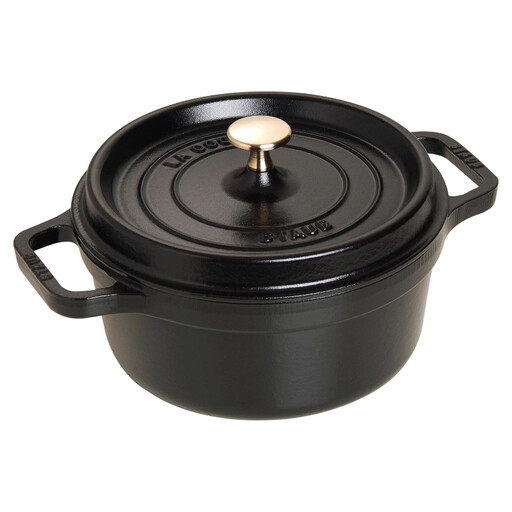
Why It Stands Out: The Staub Cocotte is a benchmark product in the world of cast iron cookware. Its standout feature is the lid with its special drip-point texture ("spikes"). This creates a continuous moisture cycle by evenly returning condensed steam to the food. The result is exceptionally moist and tender braised dishes. The enamelled cast iron offers excellent heat retention and distribution. With heat resistance up to 250°C, the pot is fully oven-safe.
Pros:
Who It's For: Ambitious home cooks who value thoughtful functionality and seek cookware renowned for its braising and roasting performance.
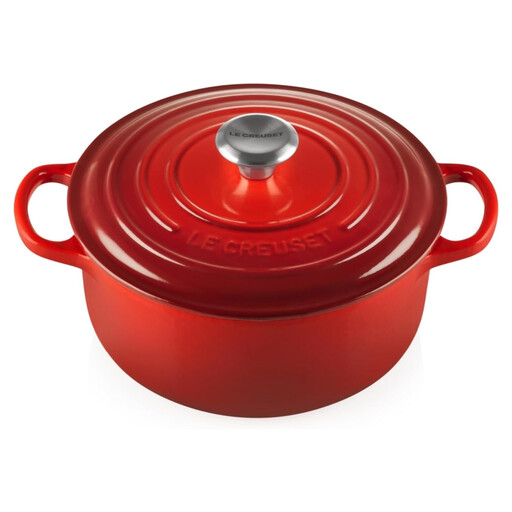
Why It Stands Out: The Le Creuset Dutch oven is a classic, renowned for its high-quality craftsmanship and timeless design. A key feature is its light-coloured, scratch-resistant interior enamel, which makes it easy to monitor the cooking process and prevents food from catching unnoticed. The large handles ensure secure handling, even with oven mitts. The heat-resistant stainless steel knob on the lid makes the Dutch oven fully oven-safe. It is designed for all cooktops, including induction.
Pros:
Who It's For: Cooks looking for versatile, durable, and visually appealing cookware that can go straight from the hob to the table. Ideal for anyone who wants to invest in a trusted brand when buying a Dutch oven.
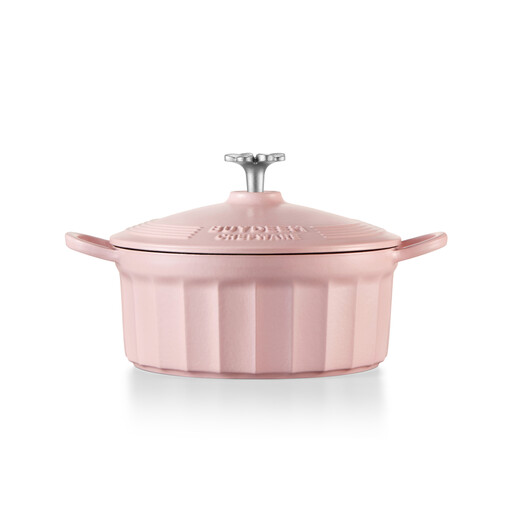
Why It Stands Out: This Dutch oven from BUYDEEM offers solid performance and thoughtful features. The domed, tight-fitting lid circulates steam and locks in moisture, ensuring succulent stews and braises. The enamel coating is resistant to stains and chipping. With its compatibility across all common cooktops (gas, induction, electric, ceramic) and its oven-safe design, it's a flexible all-rounder in the kitchen.
Pros:
Who It's For: For budget-conscious buyers seeking a functional and versatile enamelled cast iron Dutch oven for everyday use, without compromising on essential cooking performance.
The models featured here cover a broad spectrum. However, if you're looking for a different size, shape, or colour, there are more alternatives to explore.
Browse our entire selection of the best enamelled cast iron cookware to find the perfect model for your kitchen.
Yes, a cast iron Dutch oven with a lid is excellent for baking bread. The pot creates an environment similar to a professional steam oven. The high heat retention of cast iron ensures even and powerful heat distribution, resulting in a crispy crust and a soft, airy crumb.
Let the Dutch oven cool completely after use to avoid thermal shock. Then, clean it with warm water, mild washing-up liquid, and a soft sponge. For stubborn, stuck-on food, you can bring water and a little soap to a boil in the pot or let it soak with a paste made of baking soda and water. Avoid steel wool or abrasive scouring pads, as they can damage the enamel. Most models are dishwasher-safe, but hand washing is recommended to preserve the surface.
The terms are often used interchangeably and essentially refer to the same thing: a heavy pot with a lid, usually made of cast iron. "Br?ter" is the common German term. "Cocotte" is the French term, often associated with brands like Staub. "Dutch oven" is the English term that has become internationally prevalent. Functionally, there are no fundamental differences between them.