
当日/次日达

品质保障

开启新人专享福利: 全场免邮 | 低至 2 折 | 免费试用 30 天 JoyPlus 会员
下载 Joybuy
A high-quality cast iron Dutch oven is more than just a cooking pot—it's an investment that delivers perfectly braised dishes, succulent roasts, and even crusty bread for years to come. However, the market is vast, and the differences are often in the details. Which material is right? What size suits your household? And what should you look for in the enamel coating?
This guide is designed to help you make an informed decision. We will introduce you to various models and explain the key features that matter when choosing a new Dutch oven.
To find the perfect model for your kitchen, a few key considerations are helpful. Material, coating, and size are crucial factors for the functionality and durability of your Dutch oven.
The choice of material significantly influences cooking performance.
An enamelled Dutch oven offers several advantages over raw cast iron. The enamel layer is a type of glass coating that protects the iron from rust and creates a smooth, non-porous surface.
The right size depends on your household size and the typical dishes you plan to cook.
Here is a selection of models that stand out for their specific features and materials.
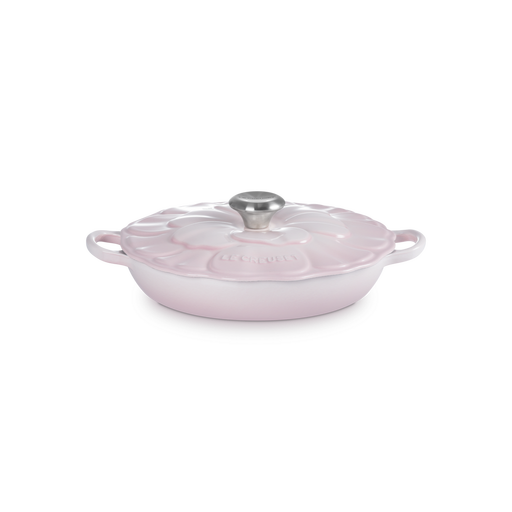
Why it stands out: This Le Creuset Dutch oven combines functionality with an exceptional design. The Anemone relief on the lid and the gold-coloured knob make it a centrepiece on any table.
Advantages:
Who it's for: Design-conscious cooks who appreciate appealing aesthetics and are looking for versatile, durable cookware for roasting, braising, and serving.
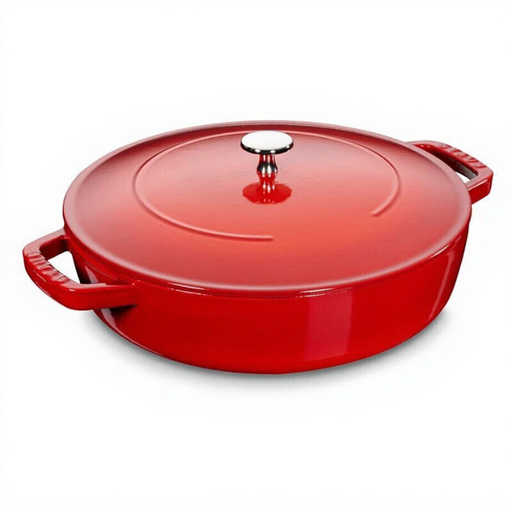
Why it stands out: The Staub Cocotte is famous for its special "Chistera Drop-Structure" inside the lid. This ensures that condensed steam drips back evenly onto the food, keeping it moist.
Advantages:
Who it's for: Ambitious home cooks who value professional cooking results and need a robust cast iron pot for intense searing and slow braising.
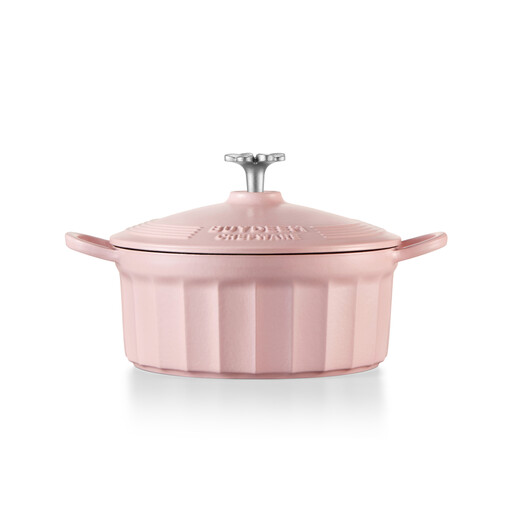
Why it stands out: This model offers the classic benefits of an enamelled cast iron Dutch oven in a modern design. The domed lid and sturdy stainless steel knob highlight its thoughtful construction.
Advantages:
Who it's for: Anyone looking to buy a Dutch oven that is functional, reliable, and suitable for a variety of dishes like stews, soups, and pot roasts.
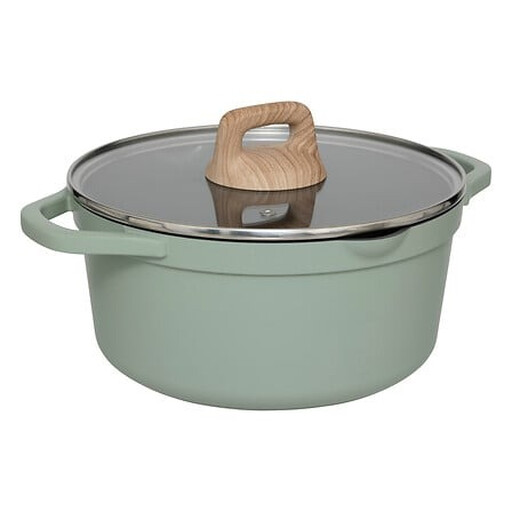
Why it stands out: The Horizon Dutch oven is a lightweight alternative to classic cast iron. With its cast aluminium body and practical glass lid, it combines ease of handling with good cooking performance.
Advantages:
Who it's for: Cooks who find the heavy weight of cast iron impractical but don't want to miss out on the benefits of a Dutch oven for even cooking.
Haven't found the right model for you yet, or want to compare more sizes and shapes? Discover our entire selection of high-quality cookware.
? Explore our entire range of cast iron cookware here
Yes, a cast iron pot for baking bread is an excellent choice. The heavy, tight-fitting lid creates a steam-filled environment, similar to a professional baker's oven. This results in an exceptionally crispy crust and a moist crumb. Both round and oval models are suitable for this.
The terms roaster, Dutch oven, and cast iron casserole are often used interchangeably. They all refer to a heavy, deep pot with a well-fitting lid that is suitable for cooking in the oven and on the hob. The main purpose is the slow cooking of food, whether by roasting, braising, or stewing.
First, let the Dutch oven cool down after use to avoid thermal shock. Soak any burnt-on residue with warm water and a little washing-up liquid. Then, clean the pot with a soft sponge or brush. Avoid steel wool or abrasive cleaners, as they can damage the enamel surface. Many models are dishwasher-safe, but hand washing is often recommended to preserve the shine of the enamel over the long term.