
Lieferung heute & morgen

Qualitätsgarantie

Willkommens-Angebote freischalten: KOSTENLOSE Lieferung | Bis zu 80 % RABATT | Kostenlose 30-Tage-JoyPlus-Testphase
App herunterladen
A high-quality cast iron Dutch oven is an investment for years, if not a lifetime. It's the cornerstone of the kitchen for braises, succulent roasts, and even artisanal bread. However, the market is flooded with products whose marketing promises often fall short in practice. Before you make a decision, it's crucial to understand the common pitfalls that can lead to disappointment and a costly mistake.
As your Joybuy Product Recommendation Officer, I'm here to help you separate the wheat from the chaff. We'll focus on the facts and the critical features that define a truly great cast iron casserole.
To avoid these pitfalls, you should focus on three core technical parameters. These determine the performance and longevity of your cast iron pot.
An enameled cast iron pot offers the advantage of being rust-proof and not requiring seasoning like raw cast iron. There are two main types:
Regardless of the colour, the quality of the finish is paramount. A multi-layered enamel, fired at high temperatures, is more resistant to chipping (thermal shock resistance).
For those with an induction hob, this point is non-negotiable. A Dutch oven for induction must have a completely flat, ferromagnetic base. Before buying, check the exact base diameter and ensure it matches the size of your cooking zones. This is the only way to guarantee efficient and even energy transfer. This feature is also beneficial on ceramic and electric hobs, as it ensures the pot sits stably and heats evenly.
A good Dutch oven or cast iron cocotte is distinguished by a heavy, tight-fitting lid. This prevents moisture from escaping. Some models feature a special drip-point structure on the lid's interior. The rising steam condenses on these nubs or ridges and drips evenly back onto the food. This self-basting effect ensures exceptionally tender and juicy results without constantly needing to add more liquid. For a cast iron pot for baking bread, this effect is also crucial, as the trapped steam creates a crispy crust and a light, airy crumb.
Based on these objective criteria, we have identified several products that represent a smart choice for different user profiles and requirements.
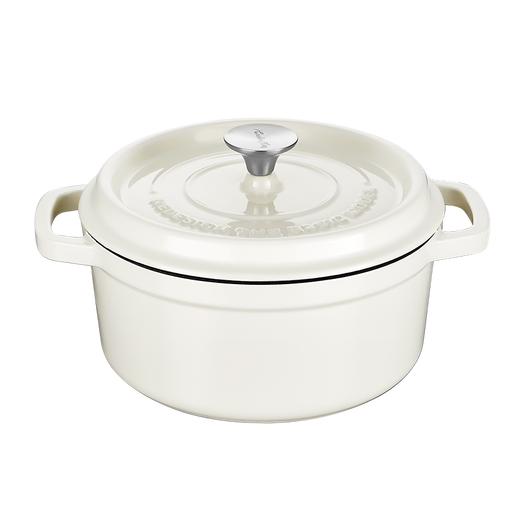
Why It's a Match: Ideal for anyone wanting to experience the benefits of cast iron cooking without a major initial investment. The 24 cm size is versatile for couples and small families.
This model focuses on the core function: a heavy cast iron construction for even heat retention. The enamel provides a low-maintenance foundation for beginners without driving up the price with complex extra features.
Delivers the fundamental benefits of cast iron (heat retention, even cooking) at an accessible price point. The enameled surface is ready to use out of the box.
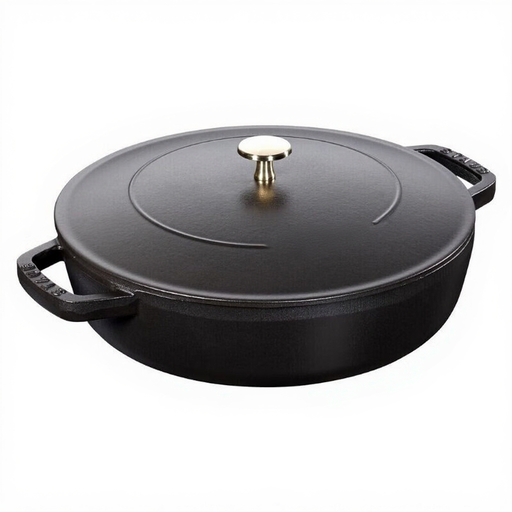
Why It's a Match: For ambitious home cooks who are investing in durability and maximum cooking performance. The 28 cm size is excellent for larger roasts and family-sized meals.
The special "Chistera" drop-structure inside the lid is a direct answer to ineffective lid designs, actively ensuring succulent results. The high-quality, multi-layer enamel is extremely resistant to chipping.
Superior moisture circulation thanks to the lid design, yielding tender braises. The matte black interior enamel is durable and promotes excellent browning.
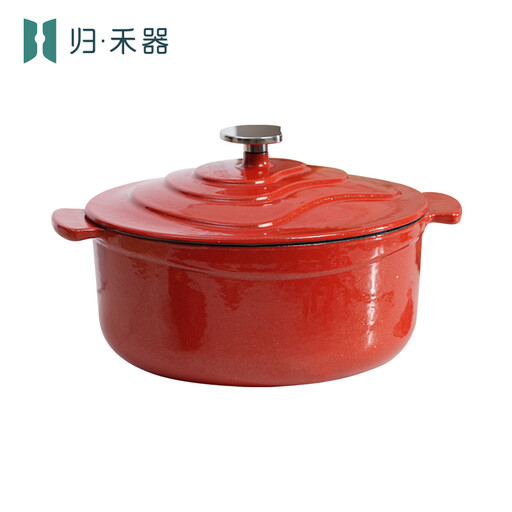
Why It's a Match: An excellent choice for home bakers. The 3.3-litre volume is ideal for a standard loaf of bread. The colourful design also makes the pot a showstopper for serving at the table.
Its explicit induction compatibility and flat base address the pitfall of poor suitability. The description as a "micro-pressure" pot indicates a tight-fitting lid, which is essential for baking bread.
Optimal volume and shape for baking bread in a cast iron pot for baking bread. The appealing aesthetic combines functionality with serve-worthy style.
We have compiled a complete, up-to-date list of products that fully meet these strict selection criteria and comply with German safety regulations.
Proper care is simple but crucial for longevity. Always let the pot cool down after cooking before cleaning it with water to avoid thermal shock and cracks in the enamel. Use soft sponges and mild dish soap. You should avoid using metal utensils or abrasive scourers inside the pot. Although many pots are declared dishwasher-safe, hand washing is recommended to maintain the enamel's brilliance long-term.
Generally, yes, as long as the Dutch oven (including the lid knob) is rated for high oven temperatures (often 230-250°C). A cast iron pot is excellent for baking bread because the heavy material stores and radiates heat evenly. The tight-fitting lid traps the steam from the dough, creating a humid baking environment. This promotes a strong oven spring and results in a particularly crispy, glossy crust.
A good Dutch oven for induction has a thick, perfectly flat base that sits flush on the hob. The material must be ferromagnetic, which is always the case with cast iron. Make sure the diameter of the pot's base corresponds to the size of your induction zone to ensure maximum efficiency and even heating without "hot spots."