
Lieferung heute & morgen

Qualitätsgarantie

Willkommens-Angebote freischalten: KOSTENLOSE Lieferung | Bis zu 80 % RABATT | Kostenlose 30-Tage-JoyPlus-Testphase
App herunterladen
A cast iron Dutch oven is more than just a cooking pot; it's an investment for years to come that, with the right choice, can last for generations. Yet, the market is filled with promises that often create more confusion than clarity. Before you make a decision, it's crucial to understand the common pitfalls that can lead to a poor investment. This guide will help you understand the essential features and find a model that truly meets your cooking needs.
The investment in a high-quality cast iron casserole should pay off in the long run. To avoid disappointment, you should pay attention to the following points:
To find the right cast iron pot, focus on these objective features that directly influence performance and durability.
The heart of any Dutch oven is the cast iron itself, renowned for its ability to store and distribute heat evenly. The enamel coating protects the iron from rust, makes it easier to maintain, and prevents the material from reacting with acidic foods.
A crucial feature of a good cast iron casserole is a heavy, tight-fitting lid. It prevents steam and flavour from escaping. Some manufacturers have developed special lids that cause condensation to drip back onto the food. Staub achieves this with small spikes (known as "picots" or a "Chistera drop structure"). This continuous self-basting cycle ensures exceptionally moist and tender braised dishes.
The choice of the right shape and size depends on your cooking habits.
Instead of making a blanket recommendation, we have selected models tailored to specific needs and use cases.
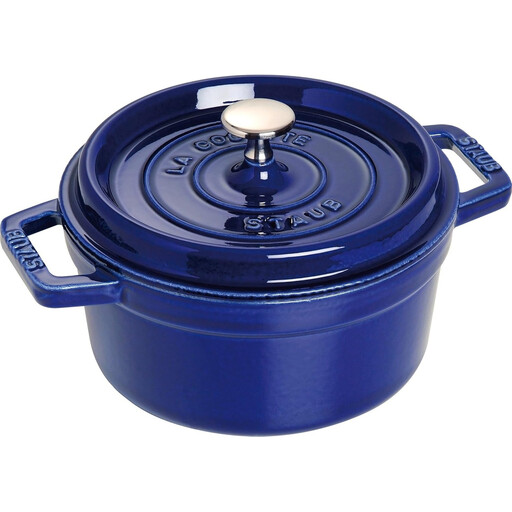
Why This Fits Their Persona: With a 2.25-litre capacity and 20 cm diameter, this cocotte is ideal for 2 to 3-person households. Its round shape makes it a versatile tool for stews, side dishes, or a first home-baked loaf, without taking up too much kitchen space.
This model avoids the "size trap" by offering a practical dimension for daily use. The high-quality, matte interior enamel is robust and known for its durability, minimising the risk of chipping.
The lid with its special drop structure ensures continuous basting of the food, leading to exceptionally juicy results. The matte black interior enamel promotes intense browning and flavour development.

Why This Fits Their Persona: The oval shape and 4.7-litre capacity are perfect for preparing Sunday roasts, whole poultry, or large stews for 4-6 people. The iconic design also makes the casserole a beautiful serving dish for the dining table.
This model solves the problem of a pot being too small for family meals. Le Creuset's light-coloured interior enamel is known for its durability and makes cleaning easier, while also allowing for excellent control over the cooking process.
The oval shape is optimised for large cuts of meat or poultry. The light-coloured interior enamel makes it easy to monitor the degree of browning and ensure nothing burns.
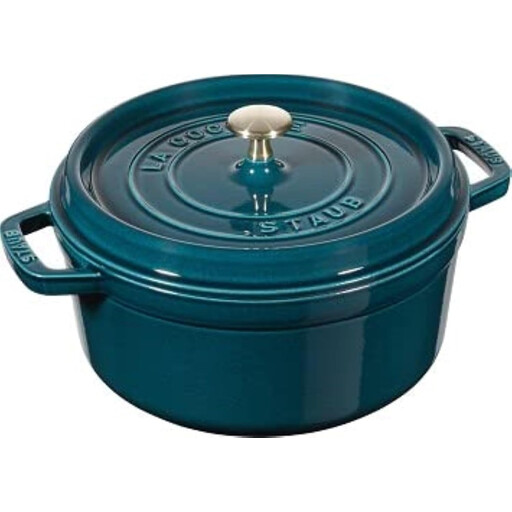
Why This Fits Their Persona: The 24 cm, 3.8-litre size is ideal for baking round sourdough loaves. The heavy cast iron optimally retains and evenly radiates oven heat, while the tight-fitting lid traps the steam needed for a crispy crust. The Petrol Blue colour also makes an aesthetic statement.
This model is sized specifically for a popular use case—bread baking—thus avoiding the compromise of a "one-size-fits-all" pot. The robust construction and heat-resistant lid knob are designed for the high temperatures required for baking.
Excellent heat retention for maximum oven spring. The tight-fitting lid simulates the steam environment of a professional baker's oven, ensuring a perfect crust.
We have compiled a complete, up-to-date list of products that fully meet these strict selection criteria and German safety regulations.
1. Is a cast iron Dutch oven suitable for induction? Yes, due to its ferromagnetic properties, cast iron is ideal for induction cooktops. An induction-compatible Dutch oven works very efficiently. You should just ensure that the diameter of the pot's base matches the size of your induction zone to guarantee optimal energy transfer.
2. How do you properly clean an enamelled cast iron pot? Always let the pot cool down after use before it comes into contact with water to avoid thermal shock and cracks in the enamel. Use warm water, mild washing-up liquid, and a soft sponge. For stubborn stuck-on food, you can soak the pot with warm water and a little baking soda. Although many models are declared dishwasher-safe, hand washing is recommended to preserve the enamel's shine in the long term.
3. Light vs. dark interior enamel: What's the difference? The choice depends on personal preference and cooking style. A light-coloured enamel (typical of Le Creuset) allows for easy visual monitoring of the food and the degree of browning. It's ideal for seeing if a fond is forming on the bottom. A dark, matte enamel (typical of Staub) promotes searing and caramelisation, leading to more intense roasted flavours. It is also less susceptible to staining from spices or strongly coloured foods.