
Lieferung heute & morgen

Qualitätsgarantie

Willkommens-Angebote freischalten: KOSTENLOSE Lieferung | Bis zu 80 % RABATT | Kostenlose 30-Tage-JoyPlus-Testphase
App herunterladen
A cast iron Dutch oven, often called a cast iron cocotte or casserole dish, is a versatile piece of cookware prized for its durability and outstanding heat retention. Whether you're making hearty stews, crispy roasts, or even baking bread, the right choice can make a world of difference to your results. This guide will help you understand the key features and find a model that meets your needs.
With so many options available, the selection can be overwhelming. Focus on these three core aspects to make an informed decision.
An enamelled roaster offers significant advantages. The enamel layer protects the cast iron from rust, simplifies cleaning, and prevents the material from reacting with acidic foods. There are two main types:
Both versions offer excellent heat distribution and retention, which is essential for even cooking at low temperatures.
The right size depends on your household size and typical portion quantities. A pot with a volume of 3.5 to 4.5 litres is usually sufficient for two to four people. For larger families or for entertaining guests, models from 5 litres upwards are a good choice.
A round cast iron roaster is an all-rounder for soups, stews, and round loaves of bread. Oval shapes are particularly well-suited for elongated items like whole chickens or large cuts of meat.
A heavy, tight-fitting cast iron pot with a lid is crucial. It keeps moisture inside the pot, ensuring dishes remain juicy. Some lids, like those from STAUB, feature a special texture on the underside that evenly distributes condensed steam over the food.
Modern kitchens are often equipped with induction hobs. Therefore, check whether the Dutch oven is induction-compatible. Most high-quality cast iron roasters are designed for all hob types, including induction and ovens. Also, pay attention to the heat resistance of the lid knob, especially if you plan to use the pot in the oven. Knobs made of stainless steel or metal are generally more heat-resistant than those made of plastic.
Based on functionality, material quality, and design, we have curated a few models for you.
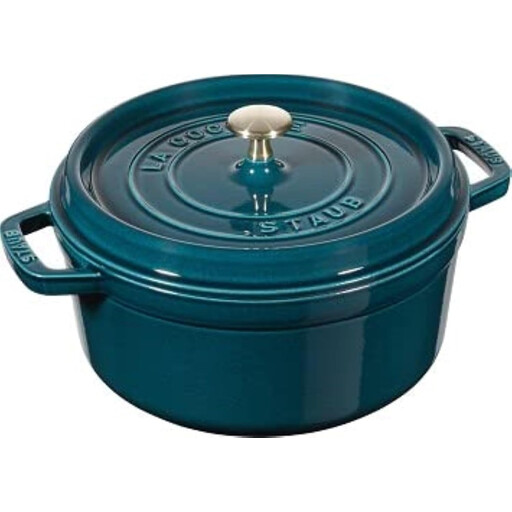
Why this model stands out This French-made cocotte combines traditional craftsmanship with thoughtful functionality. The lid is equipped with a special spike structure that, according to the manufacturer, ensures continuous moisture circulation, keeping food exceptionally juicy. The petrol blue enamel makes the pot a stylish serving dish.
Advantages
Who is it for? Ideal for small families or couples looking for a versatile and compact Dutch oven for daily use. With a 3.8-litre capacity and 24 cm diameter, it's a practical entry-level model into the world of cast iron cocottes.
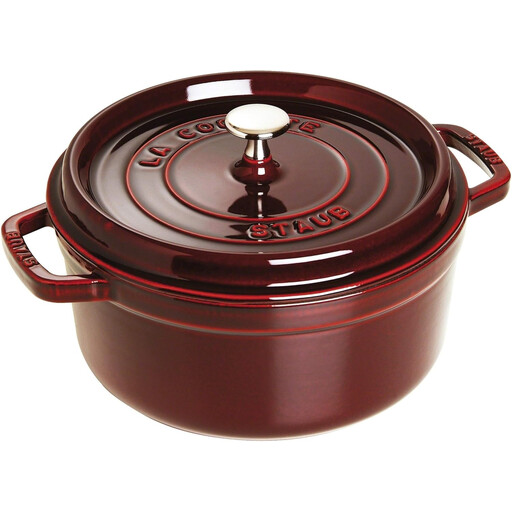
Why this model stands out This model expands the classic functionality of a cocotte with a stainless steel steamer insert. This allows for simultaneous braising in the lower part and steaming of vegetables or fish in the upper part. The matte black interior enamel is designed for high temperatures and develops a patina with use.
Advantages
Who is it for? Perfect for ambitious home cooks and families of four to six. Those who appreciate the versatility of being able to braise and steam at the same time will find this a well-designed solution.
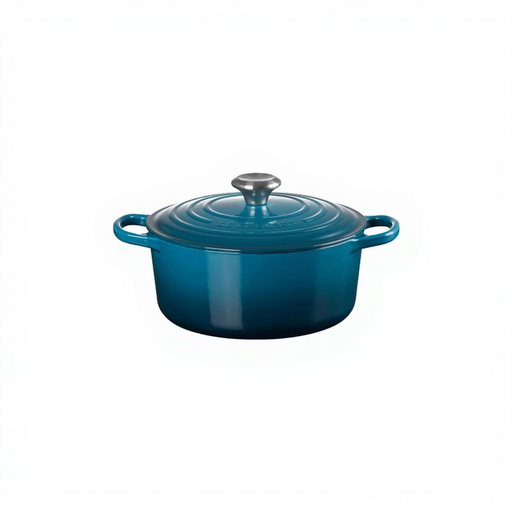
Why this model stands out The Le Creuset casserole is a classic, known for its light, sand-coloured interior enamel that simplifies monitoring the cooking process. The Signature series is distinguished by its large handles, which provide a secure grip even with oven gloves, and a heat-resistant stainless steel knob.
Advantages
Who is it for? This 4.2-litre model is an excellent choice for households of two to four people. It appeals to cooks who prefer a light interior surface for better control over the cooking process and who value an established, classic design.
The world of cast iron roasters is diverse in colours, shapes, and sizes. If the models presented here don't exactly match what you're looking for, you might find the perfect piece in our broader selection.
Explore our entire selection of Cast Iron Cocottes
Yes, a Dutch oven is excellent for baking bread. The heavy cast iron heats up evenly and retains heat, resulting in a crispy crust. The tight-fitting lid traps the steam from the dough, creating a humid environment that helps the bread achieve optimal oven spring—similar to a professional steam oven.
Allow the pot to cool completely after use to avoid thermal shock, which could damage the enamel. Then, clean it with warm water, mild washing-up liquid, and a soft sponge. Stubborn residue can be loosened by soaking in warm water. Avoid steel wool or harsh abrasive cleaners. Some models are dishwasher-safe, but hand washing is often recommended to preserve the shine of the enamel long-term.
Although both brands are known for high-quality, enamelled cast iron, there are some functional differences. The STAUB roaster typically has a matte black interior enamel and a flat lid with a spike structure for self-basting. The Le Creuset roaster, on the other hand, is known for its light-coloured interior enamel and a more domed lid. The choice depends on personal preference: dark enamel for high-heat searing and patina development, or light enamel for better visual monitoring.