
Lieferung heute & morgen

Qualitätsgarantie

Willkommens-Angebote freischalten: KOSTENLOSE Lieferung | Bis zu 80 % RABATT | Kostenlose 30-Tage-JoyPlus-Testphase
App herunterladen
A cast iron Dutch oven is more than just a pot; it's an investment in durability and culinary results. Whether for a hearty Sunday roast, a slow-simmered ragout, or an artisan loaf of bread, cast iron's ability to retain and distribute heat evenly is unparalleled. However, the market offers a wide variety of shapes, sizes, and brands. This guide will help you understand the key features and make an informed decision that suits your cooking habits.
Choosing the right model depends on a few central factors. Here are three aspects that can simplify your decision.
Most modern cast iron Dutch ovens are enamelled. This glass coating protects the iron from rust, makes seasoning the pot unnecessary, and significantly simplifies cleaning. Furthermore, the enamel does not react with acidic foods like tomatoes or wine. A light-coloured interior enamel helps you monitor the browning of your food, while a dark coating often promotes a better sear and makes discolouration less visible. Unseasoned cast iron requires more maintenance but develops a natural, non-stick patina over time.
The shape of your Dutch oven should be based on the food you cook most often.
The volume, specified in litres, is also crucial. For a household of two to four people, a cast iron casserole with a volume of 4 to 5.5 litres is generally sufficient.
Check if the Dutch oven is suitable for your hob type. Nearly all cast iron Dutch ovens are induction-compatible, but they also work on gas, electric, and ceramic hobs. Another important criterion is whether the pot is oven-safe. Pay special attention to the heat resistance of the lid knob. Knobs made of stainless steel or phenolic resin have different temperature limits, which can be particularly relevant when baking bread at high temperatures.
Based on material quality, functionality, and design, we have compiled a few models for you.
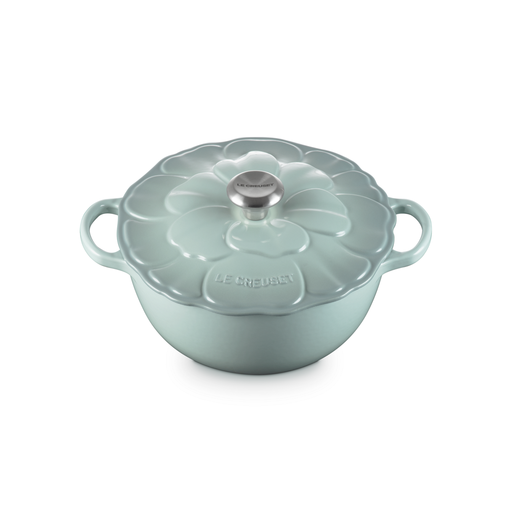
Why It Stands Out The La Marmite Flower from Le Creuset combines the proven functionality of a cast iron pot with an exceptional design. The artfully embossed lid with an anemone flower motif makes it a decorative element on the hob and the table. The sloped sides make stirring easier, making it ideal for dishes that require frequent movement.
Benefits
Who It's For For home cooks who value a combination of aesthetics and performance. It is an excellent choice for anyone looking for a versatile pot that is as suitable for serving as it is for cooking.
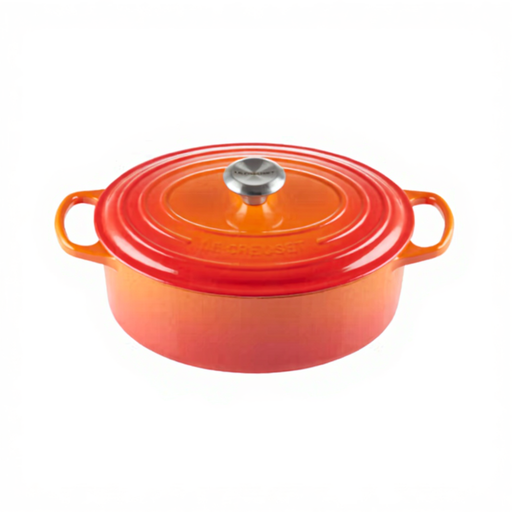
Why It Stands Out The oval Signature Casserole in the iconic Volcanic colour is a classic for preparing whole roasts and poultry. Its shape offers ample space for elongated foods, while the excellent heat retention ensures even cooking and tender results.
Benefits
Who It's For This Le Creuset Dutch oven is the right choice for anyone who regularly prepares larger cuts of meat, roasts, or whole poultry. It is a robust and reliable workhorse for traditional braised dishes.
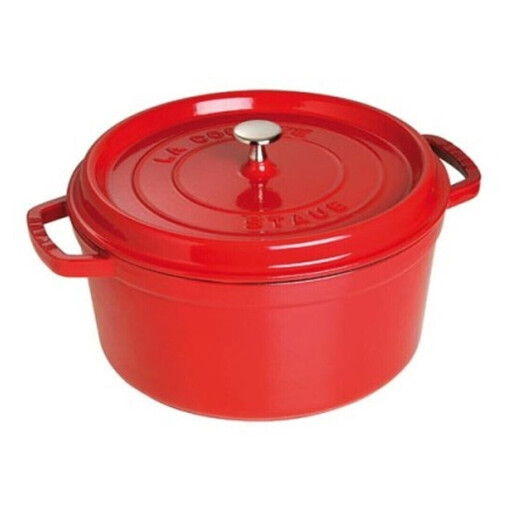
Why It Stands Out The Staub Cocotte is renowned for its special lid design. The nubs on the underside of the lid create a continuous moisture cycle, where condensation drips evenly back onto the food. This "aroma rain" system keeps dishes exceptionally moist. The matte black interior enamel is known for its durability and its ability to promote rich browning.
Benefits
Who It's For For culinary enthusiasts who strive for maximum moisture and flavour development in stews and braises. The Staub Cocotte is a great choice for cooks who prefer the searing properties of a dark enamel interior.
If our selection doesn't exactly match what you're looking for, or if you're interested in cookware made from other materials, we invite you to browse our broader collection.
Discover our diverse range of Earthenware Pots and find the right cookware for your needs.
Yes, baking bread in a pot made of cast iron is a very popular method. The excellent heat retention and the tight-fitting lid create a steam-filled environment, similar to a professional baker's oven. This results in bread with an exceptionally crispy crust and a moist crumb.
First, let the cast iron casserole cool down after use to avoid thermal shock. Clean it with warm water, a mild washing-up liquid, and a soft sponge. For stubborn food residue, you can soak the pot with water. Avoid abrasive cleaners or metal scouring pads, as they can damage the enamel surface. Although many models are declared dishwasher-safe, hand washing is recommended to preserve the shine of the enamel long-term.
Both brands produce high-quality cast iron products, but there are some characteristic differences. Le Creuset Dutch ovens typically have a light, sand-coloured interior enamel, which allows for good control over the browning process. Staub Cocottes, on the other hand, mostly use a matte black interior enamel, which is prized by many users for high-heat searing. Another difference lies in the lid: Staub lids feature the "aroma rain" self-basting system with nubs, while Le Creuset lids generally have a smooth interior.