
Lieferung heute & morgen

Qualitätsgarantie

Willkommens-Angebote freischalten: KOSTENLOSE Lieferung | Bis zu 80 % RABATT | Kostenlose 30-Tage-JoyPlus-Testphase
App herunterladen
A high-quality cast iron Dutch oven is an investment for years, if not decades. It's the cornerstone of many kitchens, perfect for preparing braised dishes, crispy roasts, or even bread. However, the market is flooded with products whose marketing promises often shine brighter than their enamel coating after just a few months of use. Before you make a decision, it's crucial to understand the most common pitfalls that lead to disappointment and unnecessary expense.
This guide serves as an objective resource. It highlights critical product features and helps you make an informed choice based on facts, not advertising slogans.
Many buyers are swayed by attractive colours or supposed special offers, overlooking crucial technical flaws. These three mistakes are particularly costly:
To avoid the mistakes mentioned above, you should check three core aspects before buying. These define the longevity and functionality of your Dutch oven.
The interior coating of the pot is crucial for cooking results and maintenance. There are two main types:
Look for information on multi-layer enamelling, as this offers greater resistance to chipping and thermal shock.
An effective cast iron casserole, often called a Cocotte, requires a lid that closes flush and without any play. This is the only way to create a closed circuit for moisture. Special structures on the inside of the lid, like the "Chistera drop structure" in some Staub models, are designed so that condensed water drips back evenly onto the food, keeping it moist. Check the weight and fit of the lid.
For users of an induction hob, a perfectly flat base is essential. A thick, solid base not only ensures optimal contact with the hob but also acts as a heat reservoir, distributing heat evenly. A good induction-compatible pot made of cast iron should have a base thickness of at least 4-5 mm. This prevents warping at high temperatures and ensures efficient energy use.
Choosing the right Dutch oven depends on your cooking habits and standards. Here are some options tailored to specific user profiles.
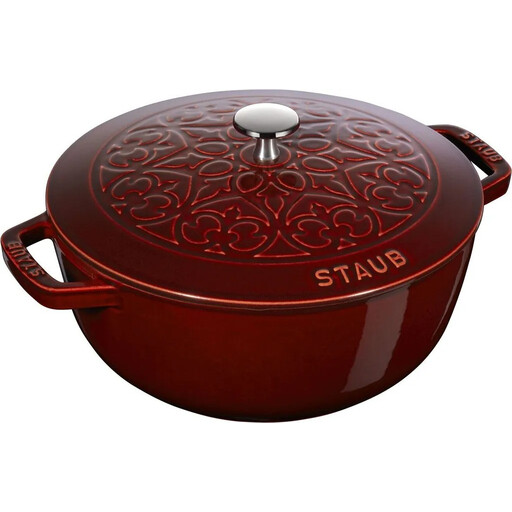
Why This Fits Their Persona: Ideal for home cooks who aspire to professional results and want to invest in durable, aesthetically pleasing cookware. This Staub Dutch oven is renowned for its outstanding performance and manufacturing quality.
The innovative Chistera drop structure in the lid ensures continuous basting of the food, bypassing the problem of dry results. The robust, matte black enamel is designed for high temperatures and resists chipping.
Excellent heat retention and distribution. The special lid design ensures exceptionally moist braised dishes. Suitable for all hob types, including induction, and oven-safe.
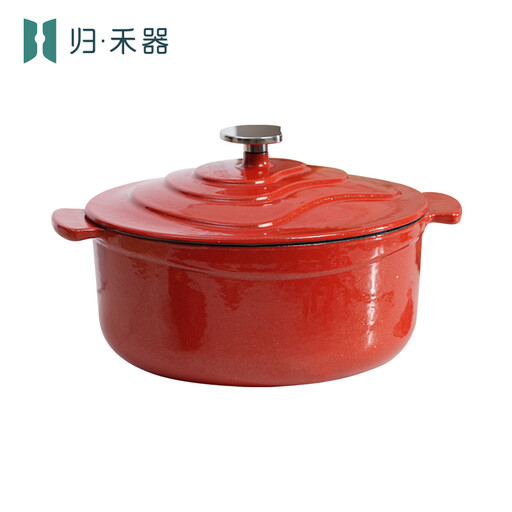
Why This Fits Their Persona: A functional choice for cooks who want to experience the benefits of cast iron without making a large initial investment. Ideal for stews, soups, and occasional braised dishes.
This model offers solid core functionality. The flat base ensures compatibility with induction hobs, and the enamel coating is sufficient for everyday use at medium temperatures, thus avoiding the most common flaws of no-name products.
Good value for money. At 3.3 litres, it's a versatile size for households of 2-4 people. The colourful appearance adds a vibrant touch to the kitchen.
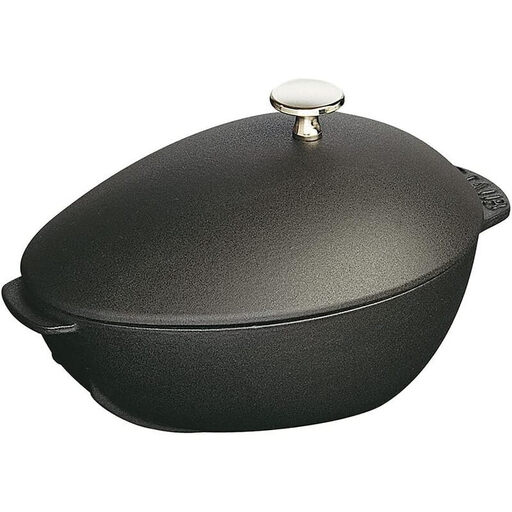
Why This Fits Their Persona: Perfect for seafood lovers looking for a specialised tool for preparing mussels. This mussel pot combines functionality with proven Staub quality for a perfect result.
This product is no compromise. The integrated stainless steel strainer is a thoughtful, functional solution that simplifies serving—a clear contrast to useless gimmicks on all-purpose pots.
Specially designed for mussels with a strainer insert. The matte black enamel ensures excellent flavour development of the broth. Compact size, also suitable for soups or stews for 1-2 people.
A classic all-rounder like the Staub Cocotte Classic 24 cm is also an excellent choice for daily use. The prepared dishes can be served stylishly in a ceramic bowl set like the one from DAFUCERAMIC, which makes an attractive addition to the dining table with its embossed design.
We have compiled a complete, real-time list of products that fully satisfy these strict selection criteria and UK safety regulations.
Always let the Dutch oven cool down after use before cleaning it. A thermal shock from cold water can damage the enamel. Use warm water, a mild washing-up liquid, and a soft sponge. Avoid steel wool or abrasive scouring pads. For stubborn residues, you can bring water with a little washing-up liquid to a brief boil in the pot.
Yes, absolutely. The heavy weight ensures that the lid sits firmly on the pot and allows very little steam to escape. This is the fundamental requirement for the braising process, where food is cooked slowly in liquid at a low temperature until tender. A light, ill-fitting lid would negate this effect.
Most modern cast iron Dutch ovens are suitable for all hob types, including induction. It is crucial that the base is ferromagnetic and perfectly flat to ensure full contact with the hob. Check the manufacturer's product description for the explicit "Induction Suitable" label. Always lift the pot instead of sliding it across the glass-ceramic surface to avoid scratches.