
Lieferung heute & morgen

Qualitätsgarantie

Willkommens-Angebote freischalten: KOSTENLOSE Lieferung | Bis zu 80 % RABATT | Kostenlose 30-Tage-JoyPlus-Testphase
App herunterladen
A cast-iron frying pan can become a dependable part of your kitchen for many years, whether you use it for searing, braising or serving. However, not every model is suitable for every household. Weight, coating, hob type and cleaning requirements vary considerably. If you focus only on colour, brand name or an especially high temperature rating, you can quickly end up with a frying pan that is too heavy for everyday use, too demanding to maintain or unsuitable for your intended purpose.
This buying guide explains which features matter before you buy and which models suit different cooking preferences.
A cast-iron frying pan stores heat and releases it slowly. This supports even cooking, but it does not mean the pan should be heated empty on the highest setting for extended periods. Overheating, sudden temperature changes and unsuitable utensils can put particular strain on enamelled surfaces.
It is therefore important to check the manufacturer's specific information on the maximum oven temperature, gradual preheating and recommended cleaning method.
An uncoated cast-iron frying pan generally requires a seasoned patina. This develops through the use of oil and regular care. It should not be confused with an industrial plastic coating and can change if the pan is cleaned incorrectly.
An enamelled cast-iron frying pan, on the other hand, has a glass-like enamel coating. It does not require traditional seasoning and is usually easier to clean. Nevertheless, metal utensils, wire wool and abrasive cleaning products should be avoided.
Handles, pouring lips and high sides all affect how the pan is used. For example, a round frying pan with a diameter of 23 cm is suitable for smaller portions or side dishes, while a larger cast-iron serving pan needs more space and is correspondingly heavier.
Weight should also be taken into account before buying: the Le Creuset model with a diameter of 23 cm weighs 1.93 kg. This provides stability, but may make pouring or moving the pan with one hand impractical.
Uncoated cast iron is robust but requires consistent care: heat it slowly, dry it thoroughly after washing and apply a thin layer of oil when necessary. Rust mainly develops when moisture remains on the surface for an extended period.
With an enamelled surface, seasoning is not required. It is generally more practical for acidic ingredients such as tomatoes or wine. Even so, check whether the manufacturer recommends hand washing, even if the pan is listed as dishwasher-safe.
For a cast-iron induction frying pan, the base must be magnetic and sit flat on the hob. The product description should explicitly state that the pan is suitable for induction, gas, electric and ceramic hobs.
An ovenproof frying pan is only versatile if the handle can also withstand the stated temperature. The Le Creuset Signature Cast Iron Frying and Serving Pan is specified as suitable for all hob types, including induction, as well as for use in the oven. The product specification states a maximum temperature of 260 °C. Other variants may have different ratings; the relevant product page is always the authoritative source.
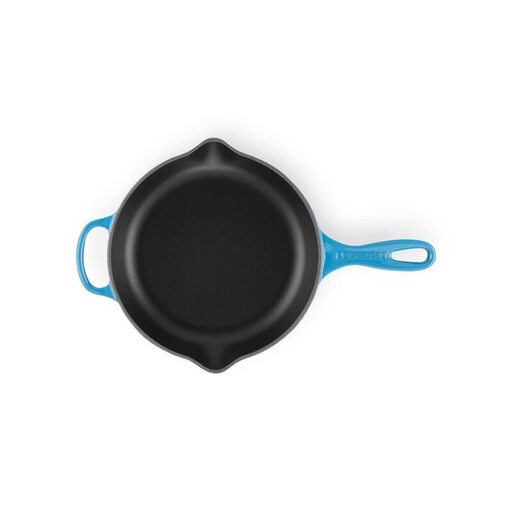
Why this product suits the profile: The compact size is ideal for smaller households, side dishes and individual portions. The enamelled cooking surface eliminates the need for traditional seasoning.
The product details clearly state the diameter, weight, hob types, oven suitability and maximum temperature. This makes it easy to check whether the format and features suit your household before buying.
23 cm diameter, 1.93 kg weight, two pouring spouts, helper handle and suitability for induction and oven use.
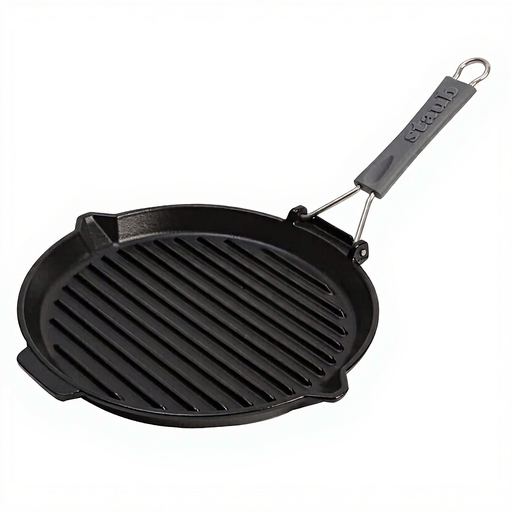
Why this product suits the profile: If you regularly prepare steaks, poultry or vegetables, you get a ridged cooking surface and an enamelled cast-iron construction suitable for the hob and oven.
The grill ridges are designed for a clearly defined purpose. The enamelled surface reduces the maintenance required compared with uncoated cast iron, but careful cleaning is still essential.
27 cm diameter, enamelled cast iron, deep ridges, pouring facility and suitability for all hob types, including induction.
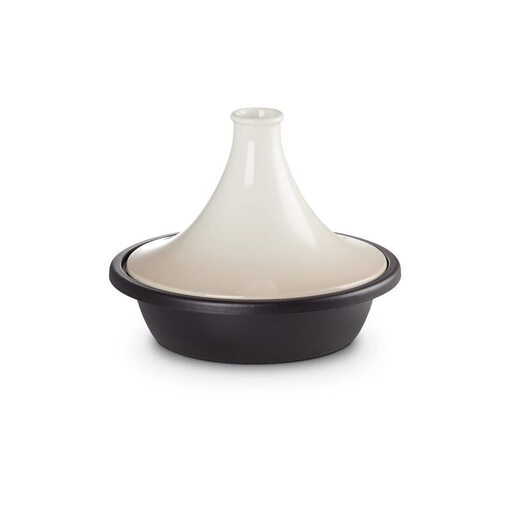
Why this product suits the profile: The combination of a cast-iron base and conical stoneware lid is designed for braised dishes, tagine recipes and slow cooking at low to medium heat.
The shape is not just a marketing detail; it serves a specific function: the lid returns condensed steam to the food. The weight of 5.49 kg should be taken into account when storing and serving.
31 cm diameter, 3.3-litre capacity, lid included, and suitable for induction, other hob types and oven use.
A cast-iron wok is not automatically made from cast iron: according to the product description, the WANGYUANJI model mentioned is made from carbon steel. It requires seasoning and regular oiling, but is not intended for oven or dishwasher use. Check this material information before placing your order.
We have put together a complete, regularly updated list of products that fully meet these strict selection criteria and the safety regulations applicable in the EU.
Yes, provided the base is magnetic and approved for induction use. According to the product details, enamelled models such as the Le Creuset and Staub pans mentioned above are compatible with induction hobs. The pan should sit flat and should not be dragged across the hob.
Its lifespan depends on the material, coating and care. Uncoated cast iron can be used for many years if stored dry and oiled regularly. With enamelled frying pans, avoid knocks, scratches and sudden temperature changes. Chips or cracks should be treated as a reason to stop using the product.
Cast iron takes comparatively longer to heat up, but stores heat for an extended period. In practice, it can be helpful to preheat the pan at medium power and reduce the heat after searing. Actual energy consumption depends on the hob, cooking time, recipe and temperature used.