
Lieferung heute & morgen

Qualitätsgarantie

Willkommens-Angebote freischalten: KOSTENLOSE Lieferung | Bis zu 80 % RABATT | Kostenlose 30-Tage-JoyPlus-Testphase
App herunterladen
A cast iron tagine combines the qualities of a heavy casserole with the characteristic conical lid of a Moroccan tajine. However, colour and brand name are not the only things to consider when buying one. Hob compatibility, capacity, lid material and care requirements are all crucial.
Many products look similar at first glance, but differ in important details. The following selection from the Joybuy Product Recommendation Officer explains which specifications you should check before buying and which model suits different cooking habits.
A traditional tajine made from uncoated clay is not automatically suitable for induction. For a cast iron model, too, the technical specifications should explicitly state that it is suitable for induction hobs, gas hobs, ceramic hobs and electric hobs. The shape of the base is also important: a base that sits as flat as possible provides stability and ensures even heating.
With a cast iron tagine, the base is often made from cast iron, while the conical lid is made from stoneware or ceramic. These materials are sensitive to sudden changes in temperature. A hot lid should not be placed directly on a cold worktop or in cold water.
Also check the specified maximum oven temperature. The Le Creuset tagines featured here are rated up to 260 °C. This limit must not be exceeded.
A diameter of 31 cm does not automatically mean that the tagine is suitable for a large family. The usable quantity depends on the height of the base, the shape of the lid and the actual capacity. For two to three people, around 3 to 3.7 litres is often sufficient. For several guests or larger portions, a versatile casserole with a capacity of more than 5 litres may be the better choice.
An enameled cast iron pot stores heat and releases it gradually. This is ideal for casseroles in which meat, vegetables and spices cook over a longer period at low to medium heat. The enamel makes cleaning easier and protects the material from rust. At the same time, cast iron adds weight: a tagine with a diameter of around 31 cm can weigh more than five kilograms.
Stainless steel is lighter and often dishwasher-safe. However, a stainless steel hotpot with a glass lid is not a traditional tagine, as it lacks the conical lid needed for steam condensation. It can be a practical alternative for soups, hotpot dishes or everyday cooking.
For a casserole suitable for all hob types, the following specifications should be provided:
When moving the pot from the hob to the oven, gradual preheating is recommended. Avoid moving it directly between the refrigerator and a hot hob, as this helps reduce thermal stress.
Even if individual models are described as dishwasher-safe, frequent washing in the dishwasher can affect the appearance of an enamel surface. Gentle cleaning with warm water, mild washing-up liquid and a soft sponge is usually kinder to the material. Metal scouring pads and abrasive cleaners can damage the surface.
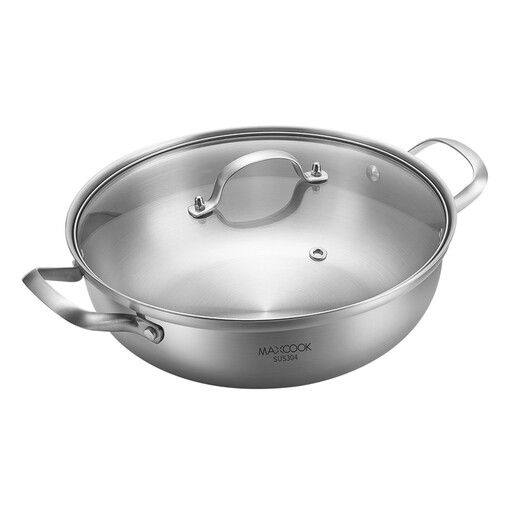
Why this product suits this profile: This stainless steel hotpot is an affordable option for households looking for a versatile pot for cooking, simmering and hotpot dishes.
The specifications explicitly state that it is suitable for induction, gas, electric and ceramic hobs. Buyers therefore do not have to rely on a vague statement about hob compatibility.
304 stainless steel, a 26 cm diameter, twin handles and a dishwasher-safe design according to the product specifications.
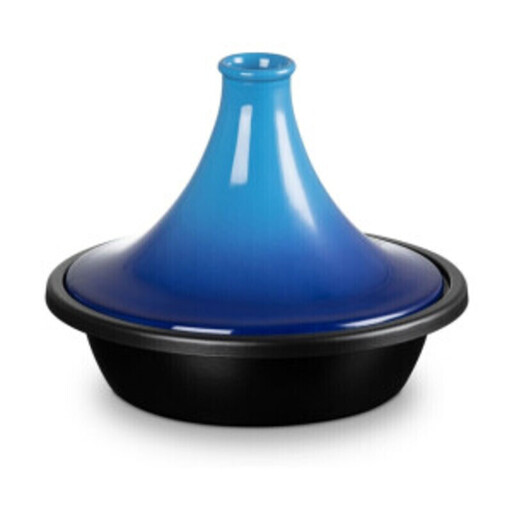
Why this product suits this profile: The combination of an enameled cast iron base and a conical stoneware lid is ideal for anyone looking for a traditional tagine for use on the hob, induction and in the oven.
The technical specifications state a 3.7-litre capacity, oven suitability up to 260 °C and compatibility with all common hob types.
Cast iron base, stoneware lid, a 31 cm diameter and a supplied lid for gentle slow cooking and serving.
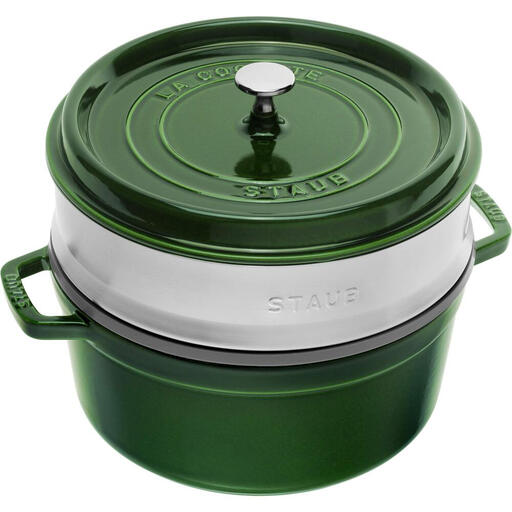
Why this product suits this profile: This model is an interesting choice for households that want to steam as well as slow-cook, and need a larger capacity for several portions.
The 5.2-litre capacity and separate stainless steel steaming insert are clearly specified. This means it is not limited to traditional tagine dishes.
Enameled cast iron, 5.2 litres, a stainless steel steaming insert and suitability for induction and ovens up to 250 °C according to the product description.
A tagine with a lid and conical shape is a good choice if you want to prepare Moroccan casseroles, vegetable dishes or Oriental recipes. Make sure to heat it slowly and use low to medium temperatures.
A Moroccan cast iron casserole is less convenient if you need to move the pot frequently, due to its weight. However, it is also suitable for keeping food warm and serving it straight from the pot. If you mainly prepare soups, hotpot dishes or steamed food, you may prefer a stainless steel or cocotte pot with a suitable insert.
For smaller households, a model holding between 1.7 and 3.7 litres is usually easier to manage. Larger pots from around 5 litres upwards require more storage space, and you should check their weight and handle design before buying.
We have put together a complete, regularly updated list of products that fully meet these strict selection criteria and the safety regulations applicable in the EU.
That depends on the individual model. The product specifications must explicitly state that it is suitable for induction hobs. This is specified for the Le Creuset and STAUB models described here. Clay tagines require an induction adapter or are not intended for use on induction hobs.
Allow the tagine to cool down first. You can then soak any residue in warm water and mild washing-up liquid before removing it with a soft sponge. Avoid metal scouring pads, abrasive cleaners and sudden changes in temperature. Even with dishwasher-safe models, washing by hand is often kinder to the material.
It is not possible to give a reliable specific lifespan without knowing how the tagine is used. Its longevity depends on temperature control, cleaning, storage and how the enamel and ceramic lid are handled. Heating it slowly, avoiding abrasive tools and no longer using damaged enamel will help reduce the risk of typical wear and tear.