
Lieferung heute & morgen

Qualitätsgarantie

Willkommens-Angebote freischalten: KOSTENLOSE Lieferung | Bis zu 80 % RABATT | Kostenlose 30-Tage-JoyPlus-Testphase
App herunterladen
By a Joybuy Product Recommendation Officer, August 28, 2026
A shoe that becomes uncomfortable after just a few weeks, or an online purchase that has to be returned immediately—unfortunately, these scenarios are all too common when buying casual footwear. The market is filled with models whose marketing promises often don't align with their real-world product quality. Before you make a decision, it's crucial to understand the most common pitfalls that lead to disappointment and unnecessary expense.
The most common mistakes when buying shoes:
To avoid a bad purchase, you should focus your attention on three objective criteria. These form the foundation for comfort, durability, and functionality.
The sole is the primary factor determining a shoe's intended purpose. Pay close attention to the material specifications:
The upper material affects the foot's climate, the shoe's weight, and its overall resilience.
The right fit is crucial for comfort. Don't just rely on your usual size. Instead, measure your foot length in centimetres and compare it to the manufacturer's specific size chart, which can be found on the product page. This is especially important for shoes for women, men, and children, as the lasts (the mould the shoe is shaped on) are designed differently.
Based on these objective criteria, we have identified several models that represent a smart choice for specific user profiles.
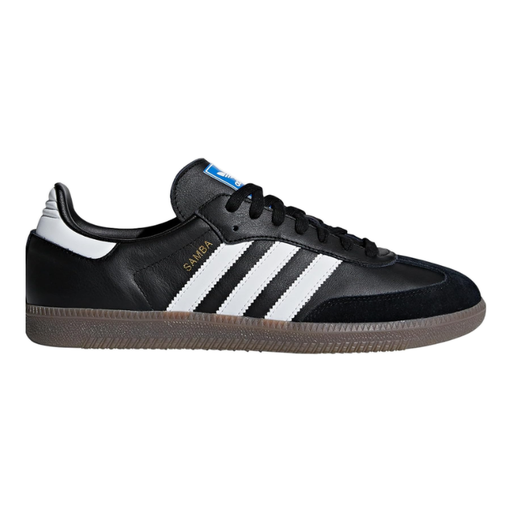
Why This Fits Their Persona: This model is a street style icon, combining a timeless design with high-quality materials. It's perfect for individuals looking for a versatile shoe for the office, university, or leisure that pairs well with both jeans and more formal attire.
The Samba isn't marketed as a technical sports shoe. Its purpose is clearly defined: style and everyday comfort. The soft leather upper and gum sole represent durability, sidestepping the "design over function" trap.
The leather upper with suede overlays offers a proven combination of comfort and durability. The flat gum sole provides a classic look and reliable grip in urban environments.
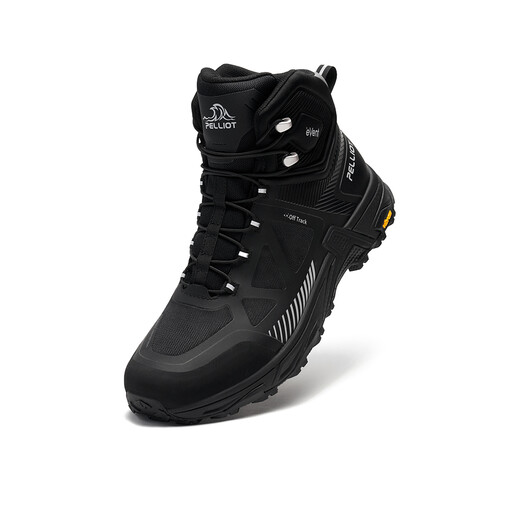
Why This Fits Their Persona: This shoe is aimed at individuals who need a robust and functional companion for hiking, camping, and travelling in demanding terrain. The focus is clearly on protection, stability, and grip.
This model is a specialist, avoiding the "all-in-one" trap. It doesn't promise suitability for everyday city life but instead concentrates on outdoor performance with an aggressive sole tread and a waterproof membrane.
According to the manufacturer, the outsole with its special lug pattern offers strong grip on wet rock and muddy ground. The abrasion-resistant upper and protective toe cap shield the foot from external impacts.

Why This Fits Their Persona: Parents look for shoes for their children that are sturdy, comfortable, and above all, easy to clean. This model from Skechers is designed for daily use and play, taking into account the practical demands of family life.
Instead of focusing on short-lived trends, this shoe concentrates on functional aspects. The synthetic leather upper is durable and can be easily cleaned with a damp cloth—a key advantage over delicate fabric shoes.
According to the manufacturer, the material is designed to offer flexibility and comfort for daily use. The detailed size chart with centimetre measurements helps parents find the right fit for growing children's feet and avoid returns.
We have compiled a complete, real-time updated list of products that fully meet these strict selection criteria and all relevant safety standards.
Measure your foot length in the late afternoon (as feet tend to swell slightly) from your heel to your longest toe. Compare this measurement (in cm or mm) with the manufacturer's size chart on the specific product page. Also, read the product description, as it often contains notes on the fit (e.g., "runs small").
Running shoes are specifically designed for forward motion. They feature pronounced cushioning in the heel and forefoot to absorb impact during running, as well as supportive elements to guide the foot. Sneakers or general casual shoes are optimised for everyday use, where comfort and style are the priority. Their soles are often flatter and less technically constructed. Using running shoes as everyday footwear can cause their specialised cushioning elements to wear down unevenly.
Always follow the manufacturer's care instructions. As a general rule, shoes made of leather or synthetic leather should be cleaned with a damp cloth and never machine-washed. Mesh or textile shoes can often be gently hand-washed with a mild soap solution. Always let shoes air-dry and avoid placing them directly on a heater, as the heat can damage materials like glue and leather. For special shoe types like water shoes or clogs, simply rinsing with clean water is usually sufficient.