Selecting the right food or water bowl for your cat is a decision that should be based on functional and material parameters. The bowl's design influences not only your pet's comfort during meals but also hygiene and, by extension, their overall health. This article analyses the essential criteria for choosing a cat bowl and presents a selection of products that meet specific needs.
Buyer's Guide: Key Selection Criteria
The choice of a cat bowl should be based on an evaluation of material, design, and functionality. These factors directly impact durability, ease of cleaning, and acceptance by your pet.
Material Analysis
The composition of the material is a central aspect of hygiene and safety.
- Stainless Steel: Bowls made from high-quality stainless steel, such as 304-grade, are a popular choice. This material is non-porous, which inhibits bacterial growth. It is also rust-resistant, shatterproof, and typically dishwasher-safe, simplifying the cleaning process. A stainless steel cat bowl is a durable and hygienic solution.
- Ceramic: A ceramic bowl is heavy and offers excellent stability. Glazed ceramic is also easy to clean and taste-neutral. However, it is crucial to ensure the glaze is food-safe and free of lead or cadmium. If the bowl becomes damaged with cracks or chips, it should be replaced, as bacteria can accumulate in these crevices.
- Plastic: Plastic bowls are lightweight and affordable. However, they can develop scratches over time, which can harbour bacteria. Some cats may also have a sensitivity to the material, leading to conditions like feline chin acne.
Design Features and Functionality
The bowl's design significantly contributes to your cat's dining comfort.
- Elevated Position: An elevated cat bowl can improve your cat's posture while eating. A slightly raised position reduces strain on the neck and spine, which can be particularly beneficial for older cats or those with joint problems. This can also facilitate swallowing and reduce the risk of vomiting.
- Non-Slip Base: A non-slip cat bowl prevents the bowl from being pushed across the floor during meals. This is usually achieved with a rubber ring on the bottom or a silicone mat. A stable base ensures a more stress-free dining experience.
- Shape and Depth: Shallow, wide bowls are often more suitable as they prevent the cat's sensitive whiskers from touching the sides. This can help avoid the phenomenon known as "whisker fatigue".
- Water Fountain: A cat water fountain encourages many cats to drink more by providing circulating water. The movement oxygenates the water and keeps it cooler. Integrated filters can also remove impurities and improve water quality.
Our Top Picks for 2026
Based on the criteria above, we present three products that cover different requirements for a feeding or drinking solution.
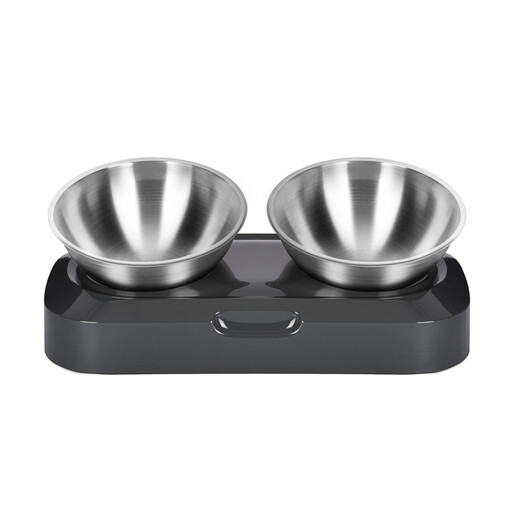
1. ochama Elevated Pet Bowls - Double Stainless Steel Bowls Cat Bowl

-
Why We Recommend It: This cat feeding station combines several functional advantages in one product. It offers two hygienic stainless steel bowls in a raised, non-slip stand, addressing both ergonomic and hygienic concerns.
-
Pros:
- Material: The bowls are made from 304-grade stainless steel, which is rust-resistant and food-safe.
- Ergonomics: The slightly elevated position relieves strain on the cat's neck.
- Stability: The base is equipped with non-slip silicone feet to prevent sliding.
- Hygiene: The stainless steel bowls are removable and dishwasher-safe, making cleaning significantly easier.
-
Best For: This set is ideal for cat owners looking for a complete and hygienic solution for serving wet or dry food and water simultaneously. It is particularly well-suited for cats that benefit from an elevated feeding position.
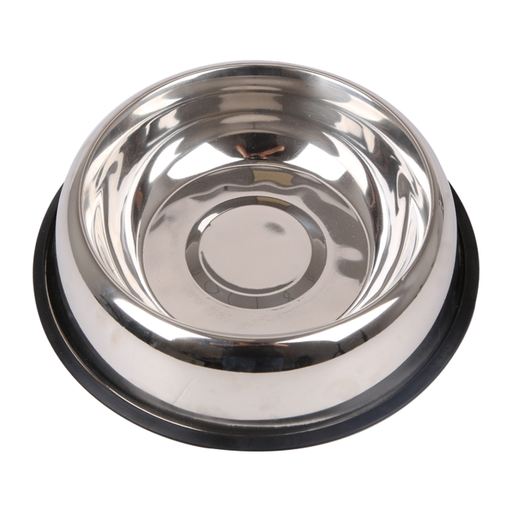
2. NOBLEZA Classic Anti Slip Stainless Steel Pet Bowl Rubber Base

-
Why We Recommend It: This product focuses on the fundamental requirements of a high-quality bowl: a safe material and a stable base. It is a practical and durable single-bowl solution.
-
Pros:
- Material: Made from food-grade, high-quality stainless steel, the bowl is robust, corrosion-resistant, and safe.
- Stability: An integrated rubber ring on the base provides effective non-slip performance on smooth floors.
- Cleaning: The smooth, polished surface is easy to clean and dishwasher-safe.
- Design: The classic, minimalist design is functional and unobtrusive.
-
Best For: This bowl is an excellent choice for pet owners who need a single, durable, and stable bowl for food or water and who value simple maintenance and hygiene.
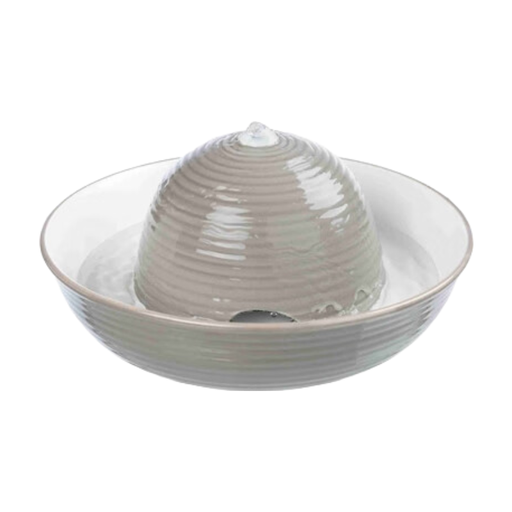
3. TRIXIE Vital Flow Cat Water Fountain 1.5l

-
Why We Recommend It: This cat water fountain addresses the common feline preference for running water. The ceramic material offers distinct advantages in terms of hygiene and stability.
-
Pros:
- Material: The fountain is made of heavy ceramic, which gives it a secure footing and naturally keeps the water cool. The ceramic bowls are dishwasher-safe.
- Functionality: The water circulation oxygenates the water and encourages drinking. An integrated filter ensures clean water.
- Operation: The pump is adjustable and operates quietly.
- Options: The pet can choose between flowing water from the fountain and still water in the basin.
-
Best For: This product is designed for cat owners whose pets tend to drink too little. It provides an attractive and hygienic way to encourage fluid intake.
More Options and Accessories
The products featured here cover specific use cases. For a wider selection of feeding solutions, from automatic feeders to special kitten bowls, you can find more products in our Cat Supplies category.
Frequently Asked Questions (FAQ)
1. What is the best material for a cat bowl? The choice of material depends on your priorities. Stainless steel (especially 304-grade) is considered very hygienic, durable, and easy to maintain. Ceramic is also a good option, as it is heavy and stable, provided the glaze is intact and food-safe. Plastic is a less recommended option due to its susceptibility to scratches, which can harbour bacteria.
2. Why should a cat bowl be elevated? An elevated cat bowl promotes a more natural and ergonomic posture during feeding. This can reduce strain on the neck and joints and aid digestion by allowing food to pass more easily through the oesophagus. This is particularly beneficial for older cats or those with health issues.
3. How often should you clean a cat's food bowl? For optimal hygiene, a wet food bowl should be cleaned after every meal, as leftovers can quickly become a breeding ground for bacteria. Dry food and water bowls should be cleaned at least once daily with hot water and mild soap, or in a dishwasher, to prevent the formation of biofilm.