
Lieferung heute & morgen

Qualitätsgarantie

Willkommens-Angebote freischalten: KOSTENLOSE Lieferung | Bis zu 80 % RABATT | Kostenlose 30-Tage-JoyPlus-Testphase
App herunterladen
The selection of cat food is vast, and it's often difficult to see through the manufacturers' marketing claims. As a cat owner, you want to make an informed decision that serves your pet's well-being without falling for marketing hype. This guide will help you recognise the important quality features of cat food and avoid common pitfalls when shopping.
Many products advertise with appealing images and terms like "gourmet" or "premium," but the true quality is hidden in the ingredients list. Pay attention to these three points to make a well-founded choice:
To objectively evaluate the quality of a cat food, you should check three core aspects. These will help you better assess the composition and suitability for your cat.
The ingredients list is the most important tool for evaluating a food. A distinction is made between two types of declaration:
Both wet food for cats and dry cat food have specific characteristics. The decision depends on your cat's needs and your personal preferences.
A combination of both food types is also a common feeding method.
A species-appropriate cat diet is based on prey animals. Unnecessary additives should be avoided.
Based on objective criteria such as a transparent declaration and the absence of unnecessary additives, we have compiled some products for different requirements.
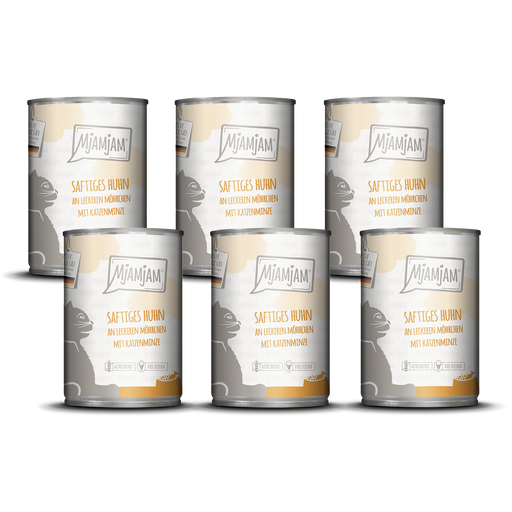
Why This Fits Their Persona: Ideal for owners who value a natural diet with clearly declared, high-quality ingredients. The recipe is based on the cat's natural prey.
This food avoids the vague meat content pitfall with an open declaration showing a 72.5% meat content (chicken meat, liver, hearts).
Completely free of grains, sugar, and artificial preservatives. High protein content (12%) to support muscle maintenance.
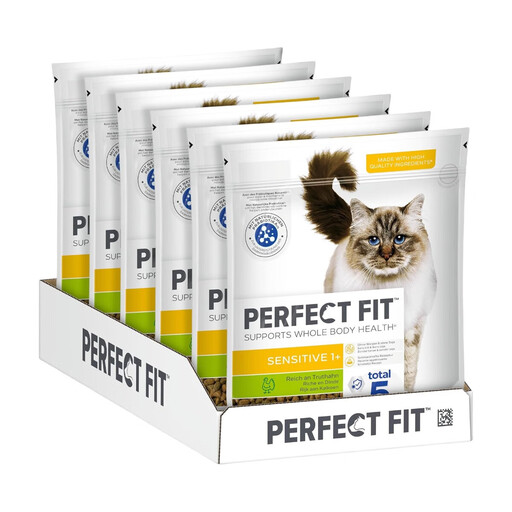
Why This Fits Their Persona: This dry food was specially developed for cats with sensitive stomachs. The recipe is designed to support digestion and avoid common triggers of intolerances.
It addresses the problem of hidden fillers by being formulated without wheat and soy, according to the manufacturer, which are common causes of digestive issues.
Contains yeast as a natural source of prebiotics to support a healthy gut flora. The "Total 5" formula supports five key areas of health.
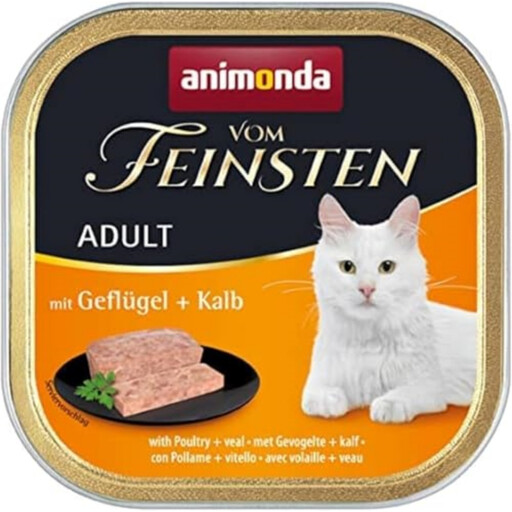
Why This Fits Their Persona: This bulk pack offers great value for money for owners looking for solid food quality without breaking their budget. Ideal for stocking up.
Despite the budget-friendly bulk price, it is formulated without grain, sugar, and soy. The meat content is a solid and clearly declared 63%.
Convenient 100g trays that guarantee freshness. Contains taurine to support heart and vision function. Made in Germany.
We have compiled a complete, up-to-date list of products that fully meet these strict selection criteria and UK regulations.
The required amount of food depends on the cat's weight, age, activity level, and individual metabolism, as well as the energy content of the food. As a rough guideline for wet food, a 4 kg, normally active cat needs about 200-250 grams per day, divided into at least two meals. For dry food, it's about 50-70 grams. Always follow the manufacturer's feeding recommendations on the packaging and adjust the amount as needed.
An abrupt food change can lead to digestive upset. Gradually mix the new food with the old over a period of 7 to 10 days. Start with a small portion of the new food (about 25%) and increase it every few days until the meal consists entirely of the new food.
Signs of food intolerance can be varied. Common symptoms include digestive problems like diarrhoea or vomiting, skin issues such as itching and hair loss, a dull coat, or general lethargy. For persistent symptoms, a veterinarian should always be consulted to determine the cause.