
Lieferung heute & morgen

Qualitätsgarantie

Willkommens-Angebote freischalten: KOSTENLOSE Lieferung | Bis zu 80 % RABATT | Kostenlose 30-Tage-JoyPlus-Testphase
App herunterladen
The selection of cat food is vast, and manufacturers' advertising claims can be difficult to decipher. As a cat owner, you want to make an informed decision that benefits your pet's health and well-being. However, many well-intentioned purchases turn out to be mistakes because important details on the packaging are overlooked or misunderstood. This guide will help you identify the crucial criteria and avoid common pitfalls.
Before we delve into the selection criteria, it's important to be aware of three common marketing tactics that often lead to an unsuitable food choice:
To find the right food, focus on objective and verifiable criteria. The following three points are crucial for a diet that meets your cat's needs.
The ingredients list is the most important tool when selecting food. The ingredients are listed in descending order of their weight percentage.
Both wet food for cats and dry food for cats have their place. The decision depends on your cat's needs and your lifestyle.
Mixed feeding can combine the advantages of both types of food.
A cat's nutritional needs change throughout its life.
Here are some product recommendations tailored to different profiles of cat owners in the UK.
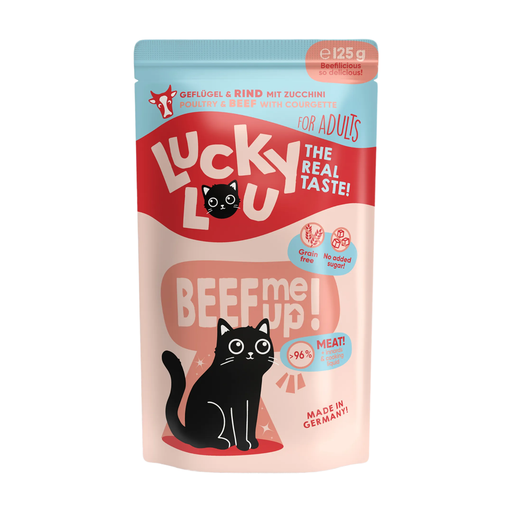
Why this product is a great fit: Ideal for owners who value a transparent and species-appropriate composition. The recipe is based on the cat's natural prey diet.
The open declaration shows a meat content of over 94% (meat, offal, and broth) and is free from grain, gluten, and sugar. This helps you avoid vague claims and unnecessary fillers.
High protein content (10.8%) to support muscle mass and enriched with 1500 mg/kg of taurine. Made in Germany.
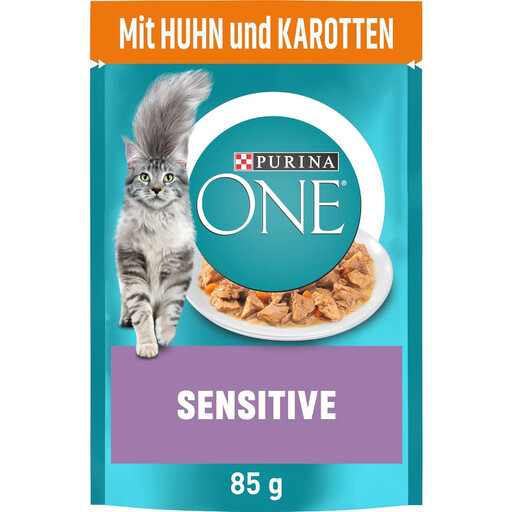
Why this product is a great fit: Specially developed for adult cats with sensitive digestion. The recipe aims to maximise digestibility and support the digestive system.
Instead of a "one-size-fits-all" approach, this food offers a targeted solution. It contains highly digestible ingredients and prebiotics (inulin) to promote a healthy gut flora, rather than just focusing on being grain-free.
Contains Omega-3 and Omega-6 fatty acids to support skin and coat, as well as antioxidants like Vitamin E. Made without any added artificial colours.
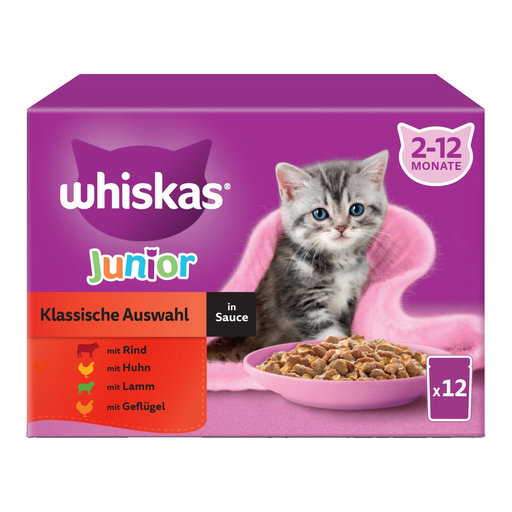
Why this product is a great fit: Specifically designed for the needs of kittens aged 2-12 months. It provides the increased energy and nutrients required for healthy development.
Instead of using a food for all life stages, this product offers a targeted nutrient profile for the critical growth phase. It contains calcium for bone development and smaller pieces for young cats.
Contains 100% high-quality ingredients, according to the manufacturer, and is enriched with vitamins and taurine to support natural defences and healthy development.
We have pre-selected a range of products based on easily digestible recipes, especially for cats with digestive issues.
A sudden food change can lead to digestive problems. Gradually mix the new food with the old over a period of 7 to 10 days. Start with a ratio of 25% new to 75% old food and increase the proportion of the new food every few days until the switch is complete.
Not necessarily. Grain-free food is primarily relevant for cats with a diagnosed grain allergy or intolerance. Many cats tolerate small amounts of grain without any issues. More important than simply avoiding grain is the overall quality of the ingredients, especially the protein sources, and the absence of unnecessary fillers like sugar.
Adult cats should receive at least two meals per day. Cats are natural "grazers" who eat several small meals throughout the day. Multiple small portions are better for digestion than one large one. Kittens require three to four meals daily due to their fast metabolism and small stomachs. Follow the feeding recommendations on the packaging and adjust the amount based on your cat's age, weight, and activity level.