
Lieferung heute & morgen

Qualitätsgarantie

Willkommens-Angebote freischalten: KOSTENLOSE Lieferung | Bis zu 80 % RABATT | Kostenlose 30-Tage-JoyPlus-Testphase
App herunterladen
The selection of cat litter is vast, and manufacturers often make bold claims. However, not every product lives up to its promise. As a cat owner, you face the challenge of finding a litter that not only your cat will accept but also meets your standards for hygiene, odour control, and ease of use. Before you make a decision, it's helpful to know the most common pitfalls that can lead to dissatisfaction and unnecessary expense.
Common Pitfalls When Buying Cat Litter:
To find the right product, you should focus on objective characteristics. The following three criteria are decisive for the litter's functionality and acceptance.
The raw material determines the essential properties of the litter—from absorbency to weight.
The choice between clumping and non-clumping litter is a fundamental decision.
The size of the granules affects both dust production and how much litter gets stuck to the paws and spread around the home ("tracking").
Based on these objective criteria, we have compiled a few products for different needs and households.
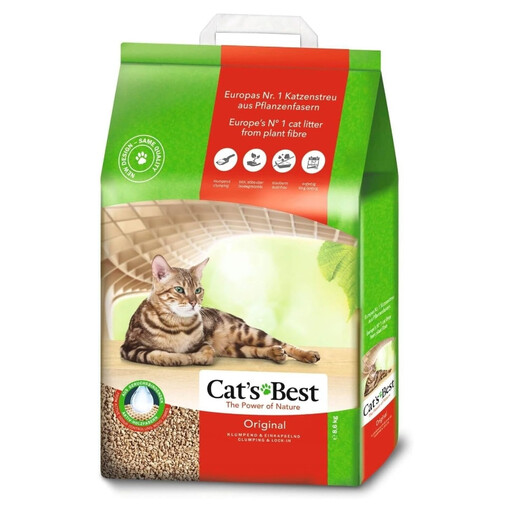
Why This Fits Their Persona: Ideal for cat owners who prioritise sustainability. The litter is made from renewable plant fibres and is fully biodegradable, reducing the ecological footprint.
Avoids the "Eco Myth" as it is made from certified, renewable raw materials and is compostable. Disposal is transparently regulated (check local rules).
100% Plant Fibres: Lightweight and sustainable. Good Clumping: Allows for easy and hygienic cleaning.
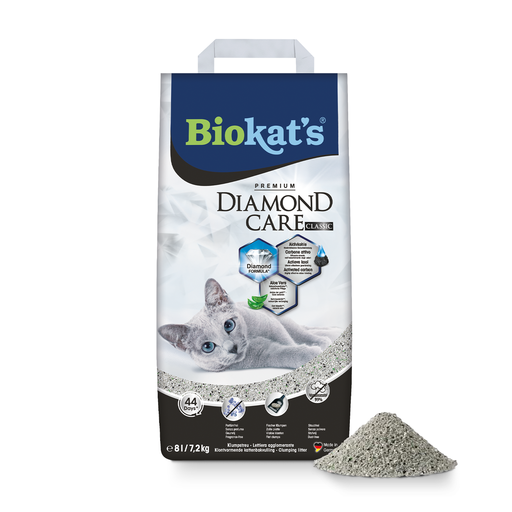
Why This Fits Their Persona: For owners who make effective odour control and cleanliness their top priority. The fine granules form solid clumps, and the activated carbon ensures reliable odour control.
Sidesteps the "Scent Trap" by using activated carbon, which binds odours instead of masking them with perfume. The "99% dust-free" claim also addresses the dust problem.
With Activated Carbon: For highly effective odour control. Fine Granules: Forms flat, solid clumps that are easy to remove.
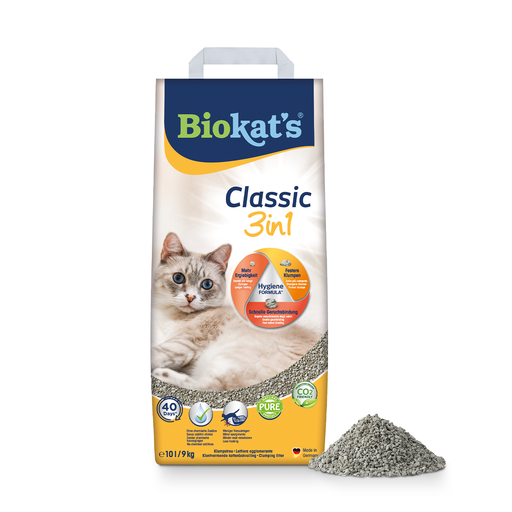
Why This Fits Their Persona: A great choice for owners of cats with sensitive noses or respiratory systems, as well as for people who prefer to avoid fragrances. The coarse granules reduce dust and tracking.
Consistently avoids the "Scent Trap" by being completely free of any fragrances. The coarse granules counteract the "Dust Problem" and minimise tracking.
Fragrance-Free: Ideal for sensitive cats and people. Coarse Granules: Reduces the amount of litter tracked out of the box.
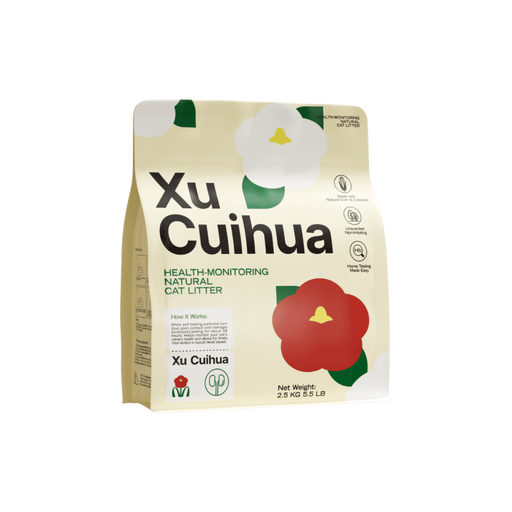
Why This Fits Their Persona: For cat owners who want to proactively monitor their cat's health. This litter offers an additional feature for the early detection of urinary tract problems.
Offers clear, functional added value instead of empty marketing promises. The plant-based and low-dust composition addresses the needs of sensitive cats.
Blood Detection Particles: Integrated particles change colour on contact with blood in the urine, serving as an early warning system. Plant-Based: Made from tapioca and corn starch.
If you're looking for more products that excel based on objective criteria like material, odour control, and low dust, you can find a more comprehensive selection here.
The frequency depends on the type of litter and the number of cats. With clumping litter, it's often sufficient to completely empty and clean the litter box every 2 to 4 weeks, as waste is removed daily. Non-clumping absorbent litter generally needs to be completely replaced weekly or as soon as odours become noticeable.
In most cases, the answer is no. Litter made from bentonite or silica, in particular, can harden in pipes and cause severe blockages. Only a few products, usually made from pure plant fibres, are labelled as flushable by the manufacturer. Even then, you should check your local wastewater regulations and only flush individual, small clumps. The safest method is disposal in the household waste.
Cats are creatures of habit and often react sceptically to changes. To encourage acceptance, you should make the switch gradually. Over a period of one to two weeks, mix a steadily increasing amount of the new litter with the old one. This allows your cat to slowly get used to the new texture and smell.